India’s administration of the annual Hajj pilgrimage has emerged as a noteworthy model of equitable governance and inclusive public service. Each year, the Indian government facilitates the spiritual journey for thousands of Muslim citizens through a system prioritizing transparency, diversity, and non-intrusive support.
The foundation of this approach lies in a thoroughly digitized application process managed through state Hajj committees. The transition to online applications, digital lotteries, and time-bound documentation has effectively eliminated discretionary practices and intermediary interference. This standardized procedure ensures identical treatment for applicants from metropolitan centers and remote districts alike, establishing equality from the initial registration phase.
A significant reform occurred in 2018 with the abolition of the longstanding Hajj subsidy. Rather than representing withdrawal of support, this policy shift enabled more responsible facilitation through improved cost negotiations with airlines and Saudi authorities. The redirected funds now support educational and community welfare initiatives, creating a more sustainable system that maintains pilgrimage accessibility without artificial financial prop-ups.
India’s Hajj delegations demonstrate remarkable diversity in their composition. Teams include officials, medical professionals, paramedical staff, sanitation workers, translators, and volunteers representing various regions and linguistic backgrounds. Medical missions provide complimentary healthcare services, with Indian doctors earning international recognition for their round-the-clock clinics in Mecca and Medina.
Gender inclusivity marks another progressive aspect of India’s Hajj management. Aligning with updated Saudi regulations, India permits women to travel without male guardians, enabling participation by widows, single women, and elderly pilgrims previously constrained by social or logistical barriers.
The program operates with exceptional cultural and linguistic sensitivity. Support services function in multiple Indian languages, ensuring pilgrims from Kerala, Kashmir, Uttar Pradesh, Telangana, and the Northeast receive guidance in their native tongues. Training sessions, manuals, helplines, and orientation camps are all tailored to address regional requirements.
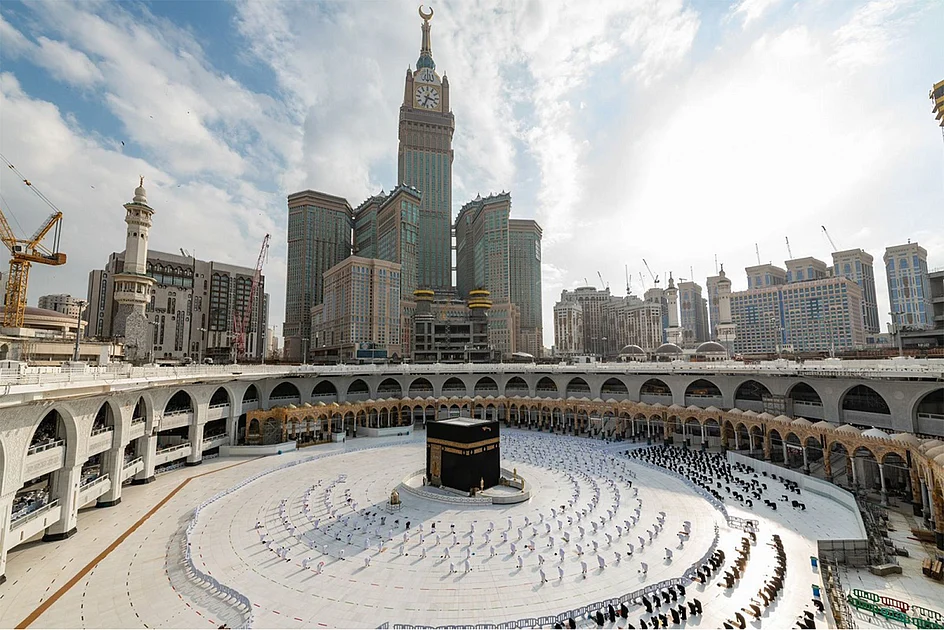
Logistical coordination with Saudi authorities encompasses accommodation, transportation, food services, and crowd management strategies. During the physically demanding Arafat congregation, where all pilgrims stand equal in traditional white ihram garments, administrative efficiency becomes crucial for maintaining order and safety.
This facilitation occurs within India’s broader constitutional framework guaranteeing equality and religious freedom. The state extends similar logistical support to various religious pilgrimages including the Kumbh Mela, Amarnath Yatra, and Buddhist journeys abroad, demonstrating consistent application of secular principles without hierarchical preferences.
For pilgrims who often save for decades to undertake this journey, government support provides practical reassurance through medical assistance, linguistic comfort in foreign lands, and available consular aid during distress situations. The state maintains a presence that enables religious practice without imposing upon it.
India’s Hajj management model offers valuable insights into governance approaches that honor religious diversity through impartial service delivery rather than symbolic gestures. This framework demonstrates how administrative efficiency and inclusive policies can effectively support spiritual practices within a diverse democratic society.