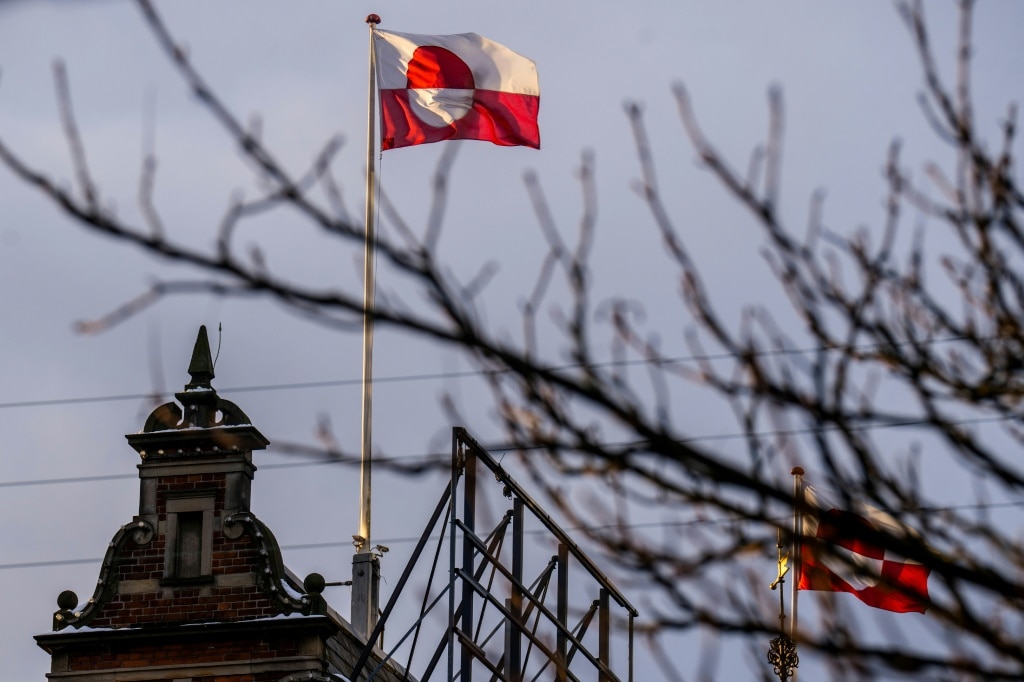
A significant diplomatic confrontation is unfolding between Denmark and the United States regarding the sovereignty of Greenland, with Danish Prime Minister Mette Frederiksen characterizing the situation as reaching a ‘decisive moment.’ This escalation follows renewed statements from former President Donald Trump suggesting potential forceful measures to acquire the strategically vital Arctic territory.
Prime Minister Frederiksen emphasized during political debates that the conflict extends beyond Greenland’s immediate future, representing broader geopolitical tensions. Through her official social media channels, she affirmed Denmark’s readiness to defend its values in the Arctic region, underscoring the nation’s commitment to international law and the principle of self-determination for all peoples.
The Danish position has received substantial international backing, with both Sweden and Germany expressing firm support. Swedish Prime Minister Ulf Kristersson explicitly condemned what he termed ‘threatening rhetoric’ from the United States, warning that any attempted takeover of mineral-rich Greenland would constitute a violation of international law and potentially establish a dangerous precedent for similar actions by other nations.
German officials, including Foreign Minister Johann Wadephul and Finance Minister Lars Klingbeil, reinforced their nation’s solidarity with Denmark while emphasizing NATO’s collective approach to Arctic security. Wadephul noted that while alliance members recognize growing strategic challenges in the region, particularly concerning Russian and Chinese military activities, Greenland’s future must be determined exclusively by its people and the Danish government.
The controversy has prompted coordinated European diplomacy, with leaders from seven nations including France, Britain, Germany, and Italy signing a joint letter affirming that Greenland’s status remains solely a matter for Denmark and Greenland itself to decide. This collective response emerged following White House indications that Trump remained interested in acquiring Greenland and had not excluded military options.
NATO Supreme Allied Commander General Alexus Grynkewich provided military context to the situation, acknowledging the Arctic’s rapidly increasing strategic importance while noting no immediate threat to NATO territory. The general confirmed that discussions regarding Greenland’s status were ongoing at the North Atlantic Council in Brussels, characterizing these dialogues as constructive despite the political tensions.
Greenland, which transitioned from Danish colony to home rule territory in 1979, has consistently expressed opposition to any potential US takeover through public opinion polling. The current situation represents the most significant test of Arctic sovereignty norms in recent decades, with implications extending far beyond the immediate region.