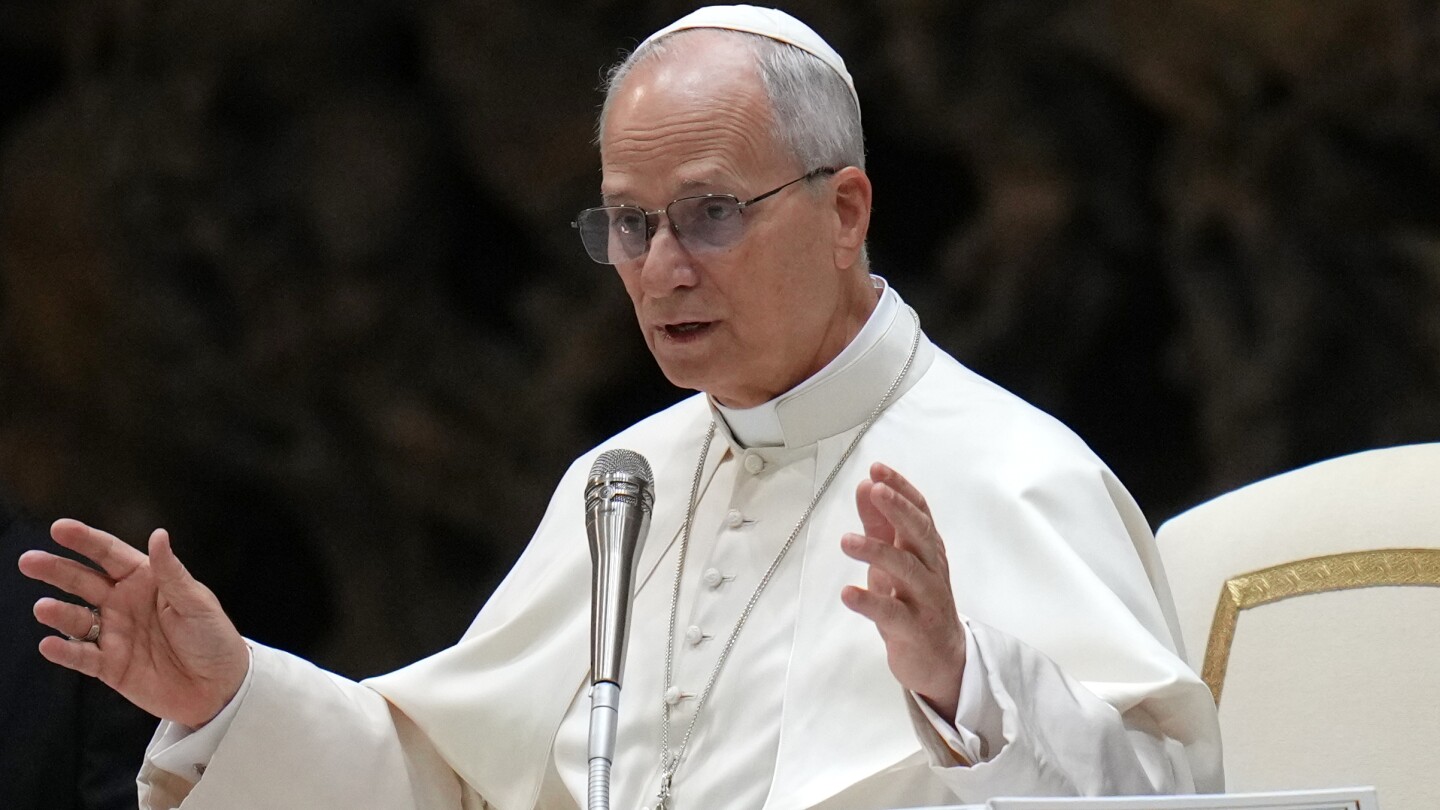
In a groundbreaking diplomatic address that broke with Vatican tradition, Pope Leo XIV issued his most comprehensive condemnation to date of escalating military interventions by global powers. Speaking before the assembled diplomatic corps at the Holy See on Friday, the first U.S.-born pontiff in history delivered a stark warning about the resurgence of warfare as an instrument of foreign policy.
The pontiff’s unusually direct speech, delivered primarily in English rather than the customary Italian or French, represented a significant departure from diplomatic protocol. While not explicitly naming specific nations, the address clearly referenced recent U.S. operations in Venezuela, Russia’s ongoing engagement in Ukraine, and multiple other conflict zones that have challenged the post-World War II international legal framework.
Leo XIV articulated profound concerns about the systematic undermining of multilateral institutions, particularly the United Nations, and the dangerous shift from diplomacy to military coercion. “A diplomacy that promotes dialogue and seeks consensus among all parties is being replaced by a diplomacy based on force,” he declared, adding that the fundamental principle prohibiting nations from violating others’ borders through force had been “completely undermined.”
The address extended beyond geopolitical matters to address fundamental human rights issues. The Pope highlighted the global persecution of Christians as one of today’s most widespread human rights crises, affecting approximately one in seven Christians worldwide. He cited specific instances of religiously motivated violence across multiple continents while noting that more subtle forms of discrimination also persist in Western nations.
Reaffirming traditional Catholic teachings, Leo XIV expressed deep concern about expanding access to abortion services and strongly condemned surrogacy arrangements, which he characterized as reducing human life to commercial transactions that violate the dignity of both children and women. He framed these issues within the broader context of defending the most vulnerable members of society, including the unborn, refugees, and migrants.
The comprehensive nature of this annual foreign policy address signals a potentially new direction for Vatican diplomacy under its American-born leader, combining traditional moral teachings with urgent contemporary concerns about global stability and human dignity.