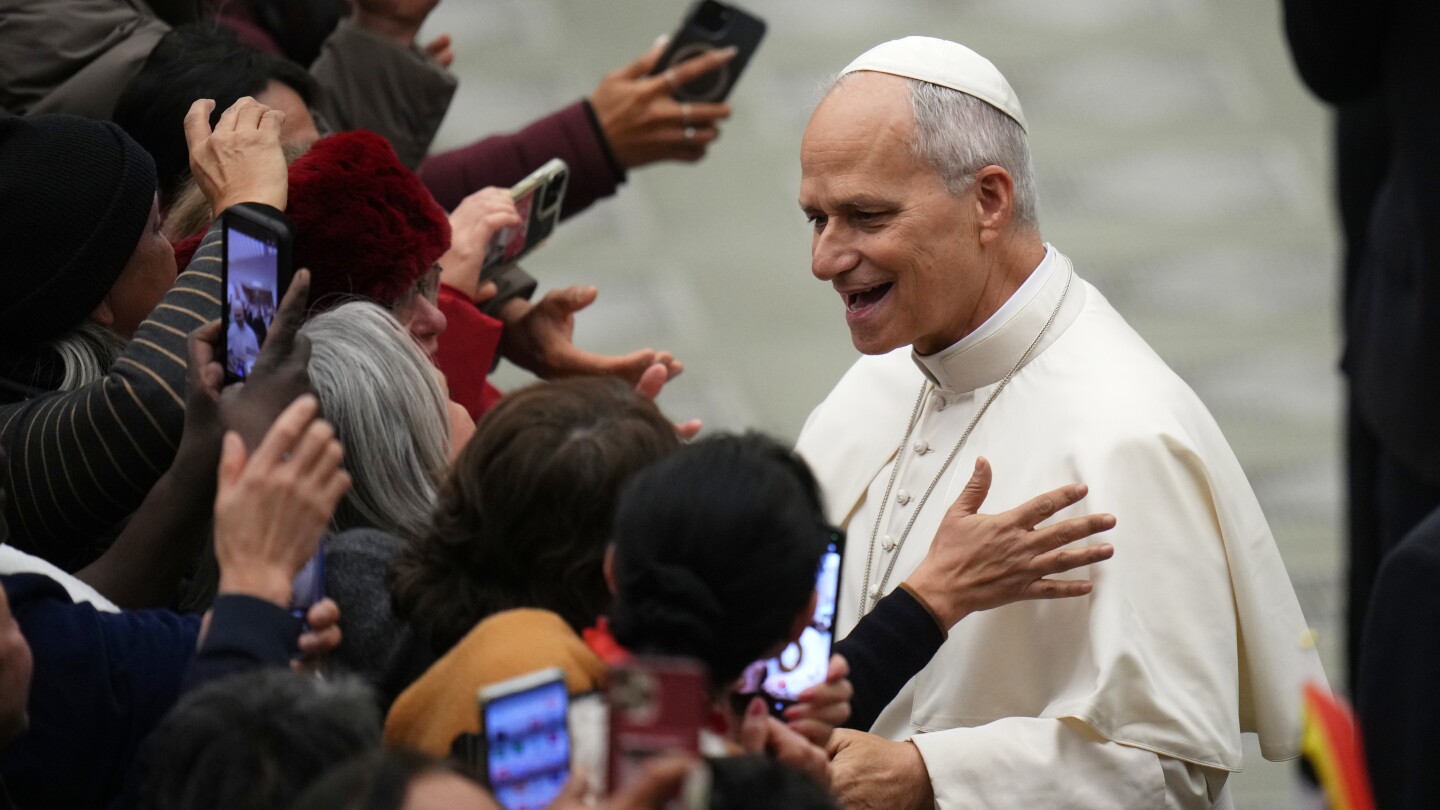
VATICAN CITY — Pope Leo XIV is preparing for a significant journey to Spain in 2026, with an itinerary featuring Madrid, Barcelona, and the Canary Islands. This pilgrimage fulfills a vision initially contemplated by his predecessor, Pope Francis, particularly regarding visiting a crucial migration gateway to Europe.
Cardinal José Cobo Cano, Archbishop of Madrid, confirmed the developing plans following high-level discussions with Vatican officials. While speculation had suggested a June timeline, the cardinal emphasized that specific dates remain undetermined. The proposed agenda includes official engagements in the capital city of Madrid and a ceremonial visit to Barcelona’s iconic Sagrada Familia basilica. This segment holds special significance as 2026 marks the centenary of architect Antoni Gaudí’s death, who currently awaits possible beatification.
The Canary Islands segment represents the most symbolically charged portion of the visit. This archipelago, situated near northwest Africa, serves as a primary entry point for migrants crossing from West Africa. Pope Francis had previously expressed particular interest in visiting these islands to demonstrate solidarity with migrants and refugees, though he consistently declined invitations to mainland Spain during his pontificate.
This Spanish journey constitutes the first confirmed international travel plans for Pope Leo XIV in 2026. The American pontiff has additionally expressed intentions to visit Africa, with Algeria featuring prominently due to its connection to St. Augustine, foundational to Leo’s Augustinian order. Potential visits to Peru—where he served as a missionary for twenty years—along with Argentina and Uruguay are also under consideration.
The announcement coincided with a landmark development in Spain’s Catholic Church governance. Spanish bishops recently conceded to grant the state ombudsman ultimate authority in determining compensation for clergy sexual abuse victims, representing a substantial shift in ecclesiastical policy.