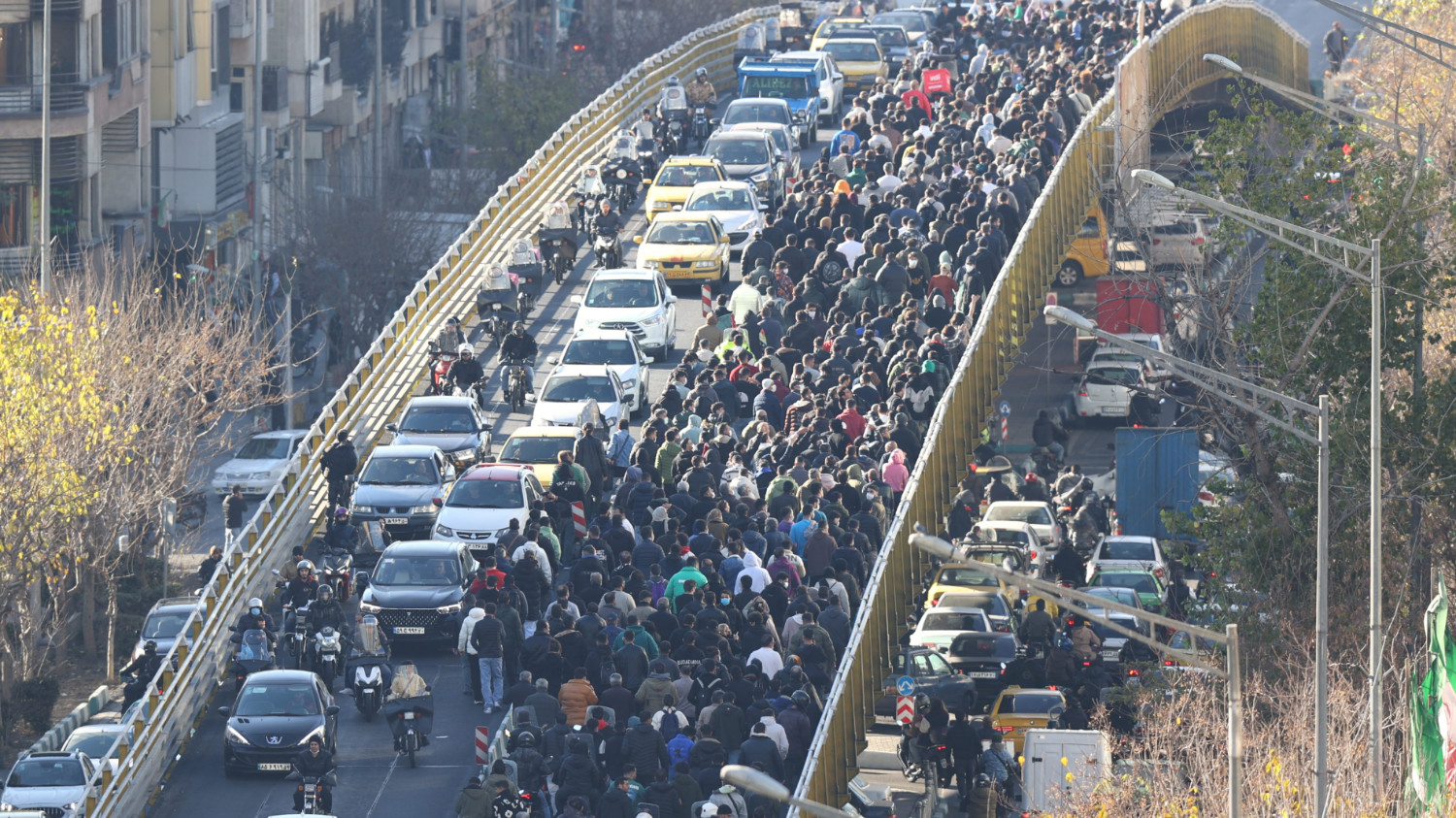
A severe economic crisis has triggered significant civil unrest across Iran, with protests spreading to dozens of cities in the most substantial challenge to the Islamic Republic since the 2022-23 Women, Life, Freedom movement. The demonstrations originated from public fury over hyperinflation and the rial’s historic depreciation but have rapidly evolved into broader expressions of political dissent.
Iranians from diverse backgrounds report an increasingly unmanageable economic reality where basic commodity prices fluctuate dramatically within days. “In just a few days, prices have multiplied. How can it be this disastrous?” questioned Mani, a 27-year-old demonstrator from Mashhad. This sentiment echoes throughout the country as routine purchases become financial uncertainties, with one Tehran resident reporting sunflower oil prices more than doubling within 72 hours.
Government response has been characterized by suppression and attribution of blame to external forces. Security forces have employed firearms and teargas against protesters, resulting in violent clashes. Rights organizations estimate between 25-38 fatalities, including minors, with thousands detained. Iranian authorities acknowledge two security force casualties and numerous injuries.
The political establishment has framed the unrest as foreign-instigated violence. Supreme Leader Ayatollah Ali Khamenei declared that “rioters must be put back in their place,” while Judiciary Chief Gholamhossein Mohseni Ejei accused external forces of exploiting economic grievances, specifically referencing statements from Israel and the United States.
Protesters uniformly reject these allegations. “Every time we get tired of this situation and come out to the streets, we are suddenly called Israelis or CIA agents,” Mani countered. For many, official warnings have reinforced rather than deterred dissent. “Our lives and our youth have been wasted under the Islamic Republic. Now they threaten us. What do we really have left to lose?” expressed Mehdi, a 31-year-old from Isfahan province.
The protests have revealed emerging political divisions regarding Iran’s future. Supporters of Reza Pahlavi, the exiled son of Iran’s last shah, have become visible at demonstrations, while others express wariness about replacing religious rule with monarchy. Despite these differences, most protesters currently prioritize immediate economic survival and opposition to the current system over specific political alternatives.
Political observers note that while these demonstrations are generally smaller than the 2022 uprising, their geographic scope and intensity raise concerns within the establishment. The government has historically combined limited concessions with repression to weather protest waves, but some analysts warn that these scattered protests across multiple cities might coalesce into a more substantial movement capable of systemic challenge.