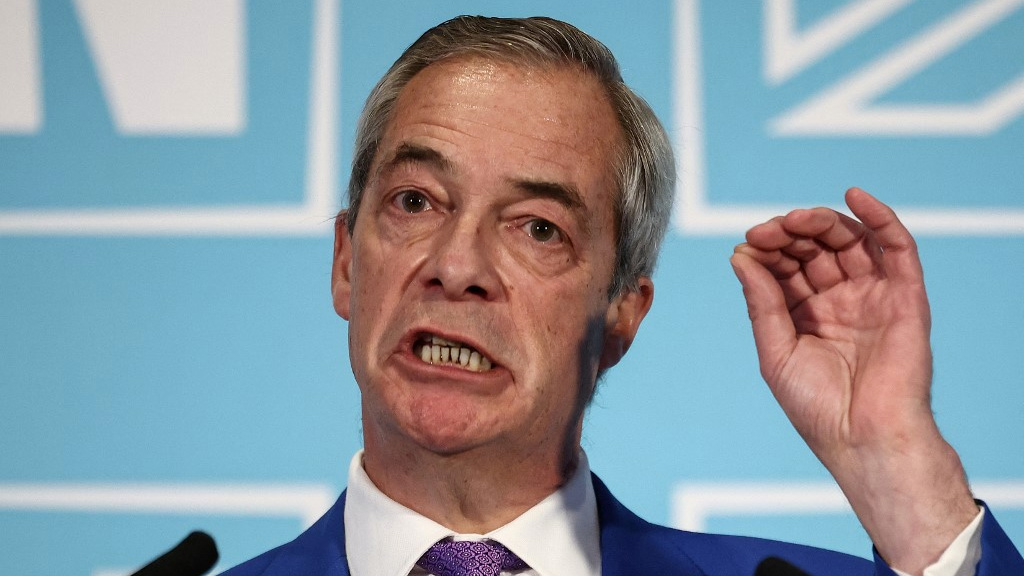
Reform UK leader Nigel Farage accepted a fully-funded trip to Abu Dhabi in early December, with expenses covered by the United Arab Emirates government. The visit, valued at approximately £1,000 and documented in the parliamentary register of interests, included accommodation and premium access to a Formula 1 event. During his two-day stay, Farage engaged in high-level discussions with senior Emirati officials.
The Financial Times revealed that the UAE’s outreach to Reform UK stemmed from mutual opposition to the Muslim Brotherhood. This alignment was publicly demonstrated at Reform’s September conference, where Farage pledged to proscribe the organization as a terrorist entity if elected, criticizing both Conservative and Labour parties for their perceived inaction.
Founded in Cairo in 1928, the Muslim Brotherhood represents one of the world’s most prominent political Islam groups. While it maintains a commitment to peaceful political participation, numerous Middle Eastern autocratic regimes, including Egypt, Saudi Arabia, Bahrain, and the UAE, have banned the organization due to its electoral successes in limited democratic processes within the region.
The relationship has drawn criticism from academic experts. Dr. Andreas Krieg of King’s College London characterized Farage as a ‘useful idiot’ for the UAE’s political influence operations in Europe, noting Abu Dhabi’s emergence as a hub for far-right European politicians.
This development occurs alongside the UAE’s January 2025 designation of eight British organizations as terrorist groups over alleged Muslim Brotherhood connections—none of which have violated UK laws. Reform MP Richard Tice subsequently pressured the Labour government to take action against these groups.
The controversy extends to Farage’s recent appointments, including senior advisor James Orr, who faced racism allegations in 2023 for comments about Arab immigration, and Matthew Goodwin, accused of promoting racist views regarding immigrant assimilation. The party also appointed Alan Mendoza of the Henry Jackson Society, a neoconservative think tank with internal criticism regarding its racial stance.
Farage’s historical comments about British Muslims have further complicated the narrative. In a Sky News interview, he explicitly linked his concerns about un-British values to Muslim communities, drawing criticism from advocacy groups like the Council for the Advancement of Arab-British Understanding, which highlighted his ‘entrenched aversion to Muslims generally.’