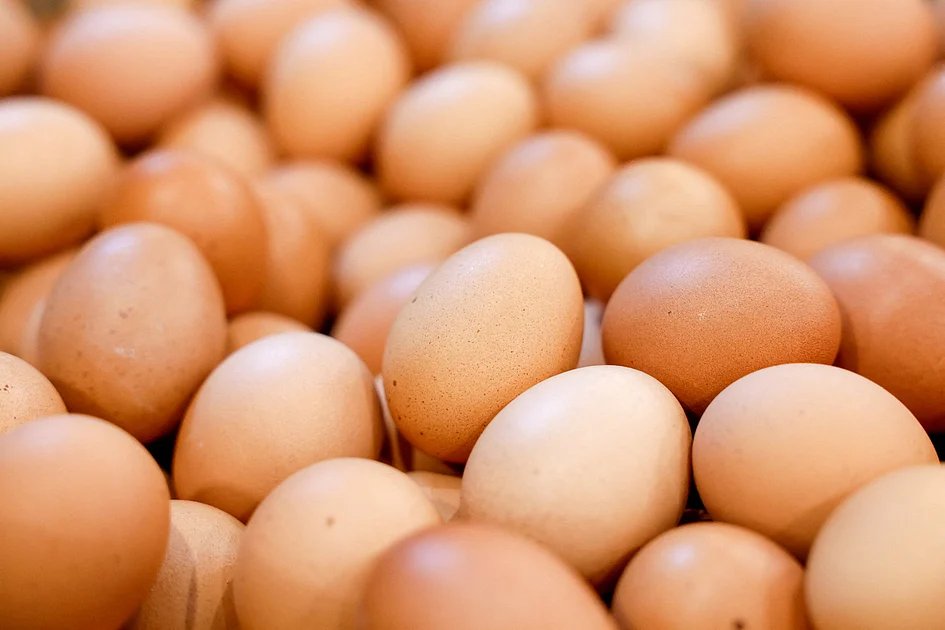
Saudi Arabia’s Food and Drug Authority (SFDA) has implemented an immediate temporary prohibition on poultry and table egg imports originating from France and Poland. This decisive action comes in response to confirmed outbreaks of highly pathogenic avian influenza (HPAI) and Newcastle disease (ND) within both European nations. The ban follows official advisories issued by the World Organization for Animal Health (OIE) regarding the escalating health crisis affecting poultry populations.
The regulatory measure includes specific exemptions for products that have undergone sufficient heat treatment to eliminate pathogenic viruses, provided they meet established health standards. All permitted imports must be accompanied by official health certification from competent authorities in the exporting countries confirming either virus-free status or successful viral eradication.
Current epidemiological data reveals concerning patterns of HPAI H5N1 transmission across European regions, with France and Poland experiencing particularly severe outbreaks in both domestic poultry and wild bird populations. The European Food Safety Authority (EFSA) has documented 2,896 H5 virus detections across 29 European countries between September and November, primarily affecting wild birds (2,454 cases) with 442 outbreaks in poultry facilities.
The global H5N1 outbreak, ongoing since 2021, has now expanded to affect over 50 mammalian species, presenting unprecedented challenges for containment strategies. While human infections remain relatively uncommon with 19 confirmed cases across four nations resulting in two fatalities, health authorities maintain vigilant surveillance for potential viral mutations that could enable human-to-human transmission.
Migratory bird patterns have contributed to an earlier-than-typical outbreak season this year, with significant wild bird mortality observed along migration routes through Germany, France, and Spain. Despite reduced mammalian infections compared to 2022-2023 levels, the persistent circulation of avian influenza viruses continues to threaten global food security and agricultural stability.