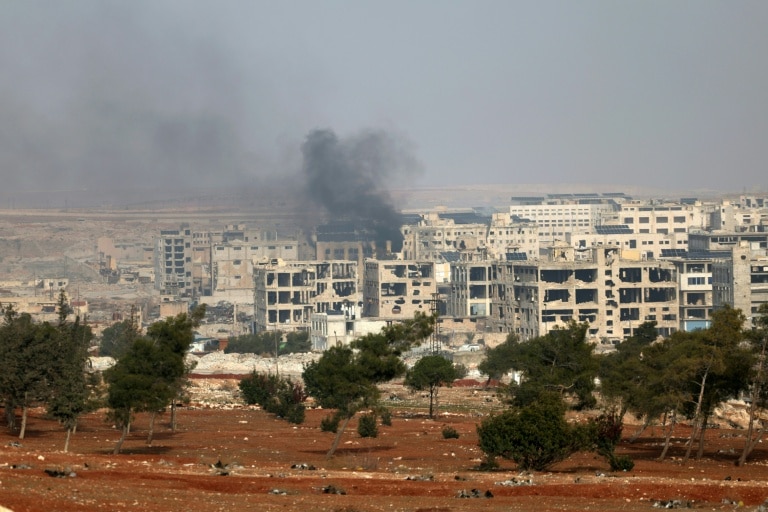
The Syrian Defence Ministry has enacted a conditional ceasefire in the northern city of Aleppo, effective from 3:00 am local time Friday. This decision follows four days of intense combat between Syrian government troops and US-backed Kurdish-led forces that resulted in a minimum of 21 fatalities and triggered a mass civilian exodus.
The clashes, described as the most severe since Islamist authorities assumed power over a year ago, centered on the predominantly Kurdish districts of Sheikh Maqsud, Ashrafiyeh, and Bani Zeid. Syrian state media reported approximately 16,000 residents fled through designated humanitarian corridors as artillery and sniper fire engulfed these neighborhoods. “We’ve endured terrifying circumstances… my children were paralyzed with fear,” recounted Rana Issa, a 43-year-old evacuee from Ashrafiyeh.
This violence erupts amid stalled negotiations regarding a March integration agreement intended to merge the Kurdish-administered Syrian Democratic Forces (SDF) and their autonomous institutions into Syria’s central government. Kurdish demands for decentralized governance have significantly impeded implementation. The SDF, which controls substantial oil-producing territories in northeast Syria and spearheaded the campaign against Islamic State, accused Damascus of undermining potential diplomatic resolutions.
Analysts warn that Aleppo represents a critical vulnerability for Kurdish forces. Aron Lund of Century International think tank cautioned that further escalation could ignite a extensive Damascus-SDF conflict across northern Syria, potentially drawing in regional powers like Turkey and Israel with catastrophic implications for national stability.
The ceasefire mandates Kurdish fighters withdraw from specified zones by 9:00 am Friday, permitting displaced civilians to “return and resume normal lives under secure conditions.” However, the SDF has not immediately responded to the government’s declaration. Concurrently, hundreds protested in Kurdish-held Qamishli and Diyarbakir, Turkey, bearing signs reading “No to war” and appealing for international intervention to prevent ethnic cleansing.