In a significant departure from his predecessor’s governing approach, Pope Leo XIV has announced the establishment of annual gatherings for the College of Cardinals, signaling a new era of collaborative leadership within the Catholic Church. The announcement came Thursday at the conclusion of the pontiff’s first consistory—a meeting that cardinals from across the globe described as a constructive step toward greater collegiality.
Vatican spokesman Matteo Bruni confirmed that Pope Leo has requested all cardinals to return to Rome for a second session scheduled for June 27-28, with plans to continue these meetings annually for three to four days each year. This structural shift represents a dramatic change from Pope Francis’ preference for relying on a hand-picked group of nine cardinals who met periodically to provide counsel.
The move directly addresses concerns raised during the May conclave that elected Leo, where numerous cardinals had expressed frustration with what they perceived as Francis’ solitary leadership style. Many had advocated for regular consistories that would allow the collective body of cardinals to advise the pope on critical issues facing the global church.
Cardinal Stephen Brislin of Johannesburg, South Africa, characterized the development as evidence that “the pope wants to be collegial and he wants to draw on the experience and the knowledge of different cardinals coming from all the different parts of the world.” He emphasized the value of diverse geographical perspectives in helping “the successor of Peter give leadership to the church.”
Beyond governance implications, the regular meetings will address practical concerns about familiarity among the cardinals themselves. During pre-conclave discussions, many had noted the challenge of electing a pope when some cardinals from remote regions had never met their counterparts.
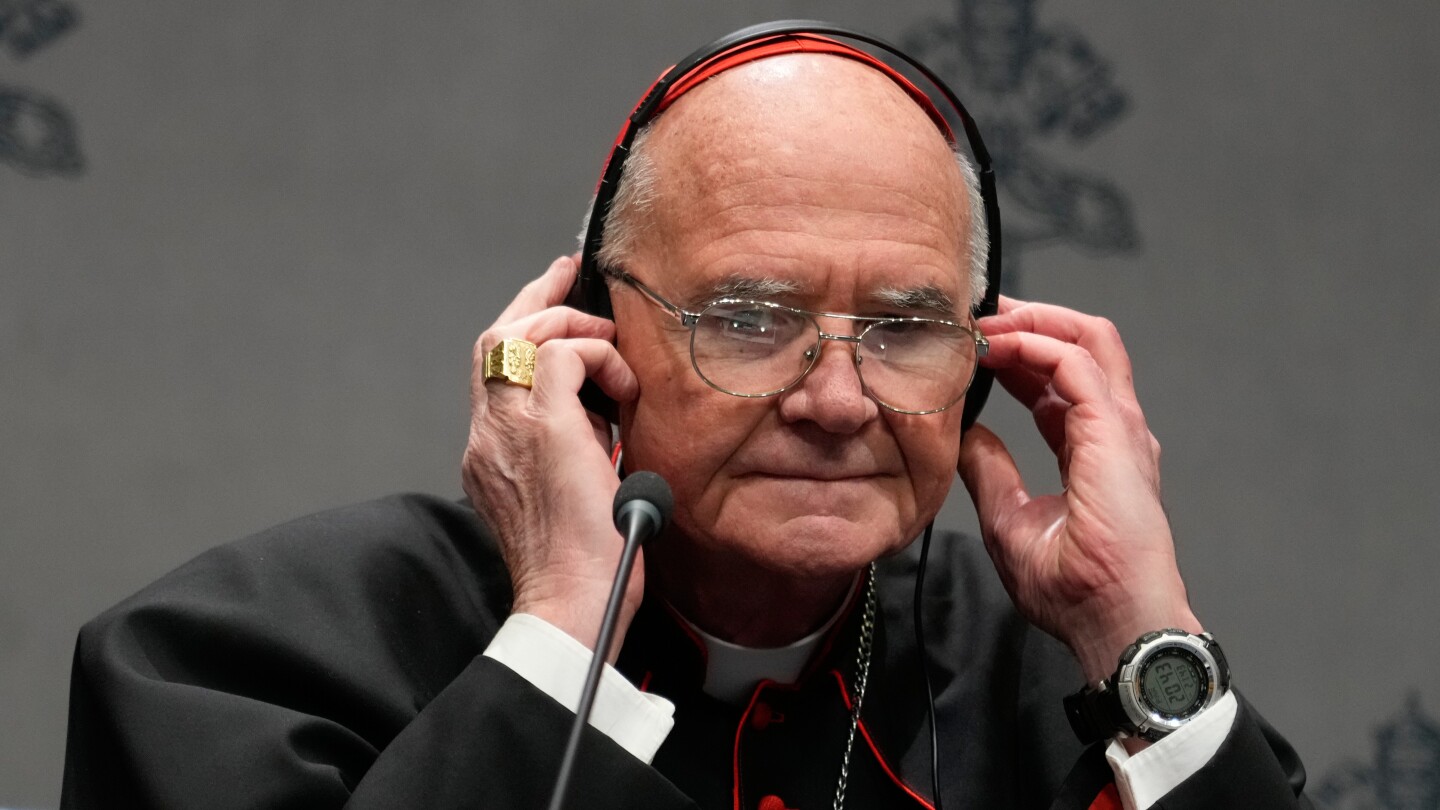
Cardinal Cristóbal López Romero of Rabat, Morocco, described the initial gathering as “very fruitful because it allowed us to know one another better, to be in contact with the pope and take the pulse of how things are going.”
The consistory also provided cardinals with their first extended opportunity to observe the leadership style of history’s first U.S. pope, whom many still consider somewhat enigmatic due to his reserved demeanor and preference for listening rather than speaking. Cardinal Pablo Virgilio David of the Philippines noted that Leo took “copious notes” during discussions, suggesting serious consideration of the cardinals’ input.
Cardinal Jean-Paul Vesco of Algiers observed that beyond the substantive discussions, the gathering fostered an atmosphere of mutual respect and brotherhood, noting that cardinals felt both valued by and supportive of the new pontiff.