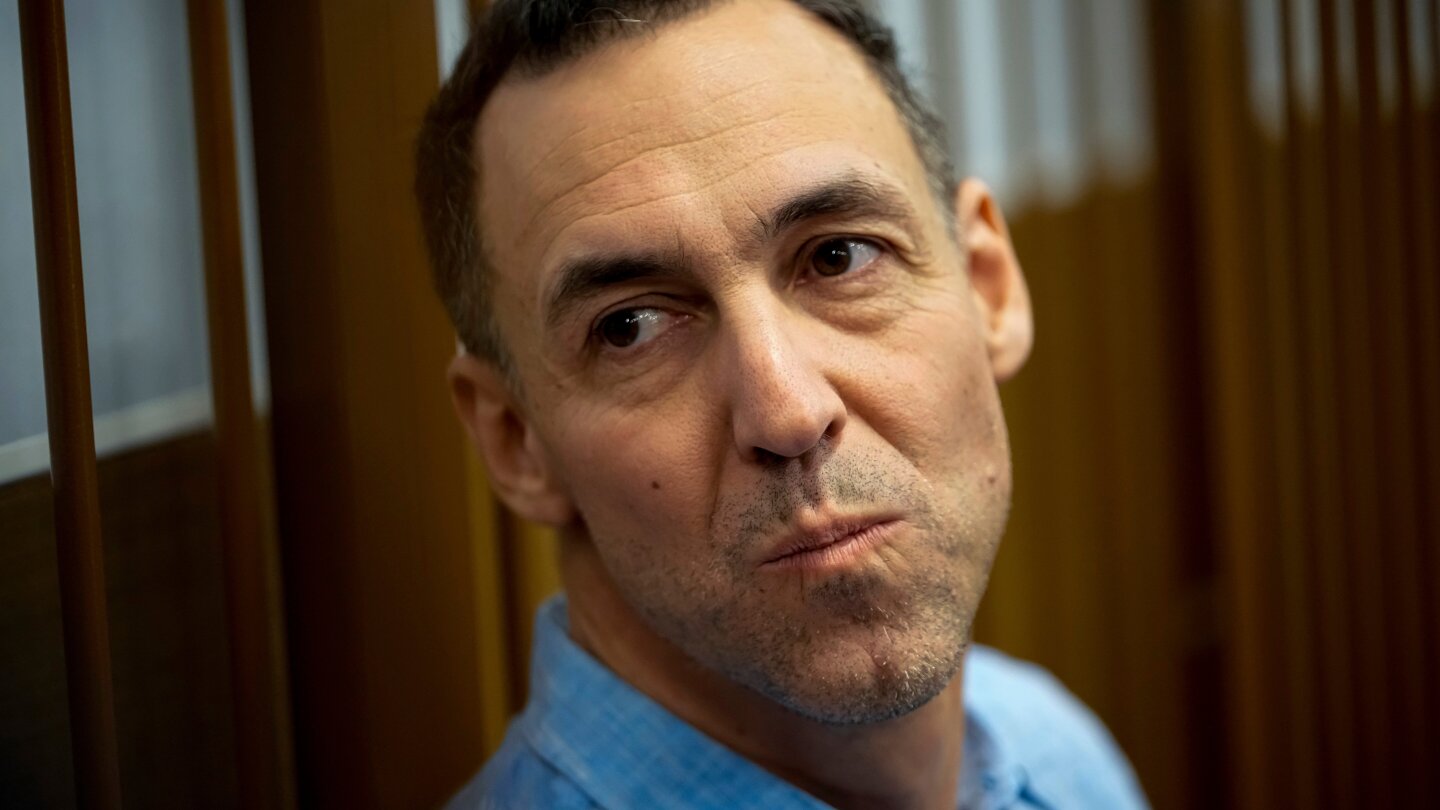
In a significant diplomatic maneuver, France and Russia have concluded a prisoner exchange agreement resulting in the release of French political scholar Laurent Vinatier from Russian custody. The swap, confirmed by officials on Thursday, marks the resolution of a high-profile case that had strained bilateral relations.
Vinatier, who had been serving a three-year sentence in Russia since his June 2024 arrest in Moscow, returned to France following months of diplomatic negotiations. Russian authorities had initially convicted him for violating foreign agent registration laws, alleging he gathered sensitive military information that threatened national security. Subsequently, the Federal Security Service (FSB) brought additional espionage charges carrying potential 10-20 year imprisonment.
The exchange counterpart saw the release of Russian basketball professional Daniil Kasatkin, who had been detained in France since late June pending extradition to the United States. American authorities sought Kasatkin for alleged involvement in computer fraud operations, though his legal representation maintained his complete innocence regarding the hacking accusations.
French President Emmanuel Macron publicly announced Vinatier’s return via social media platform X, expressing both “relief” and “gratitude” toward diplomatic personnel involved in securing his release. Simultaneously, Russia’s FSB confirmed Kasatkin’s repatriation in an official statement.
The prisoner transfer was documented through FSB-released footage showing Vinatier receiving notification of his pardon from Russian President Vladimir Putin. The visual evidence depicted the scholar expressing thanks in Russian before boarding an aircraft shortly after Kasatkin’s disembarkation.
This exchange follows Putin’s December commitment to review Vinatier’s case during his annual news conference, despite initially claiming unfamiliarity with the situation. Kremlin spokesperson Dmitry Peskov subsequently revealed Russia had extended a formal proposal to French authorities regarding potential resolution.
Vinatier, an advisor for the Switzerland-based Centre for Humanitarian Dialogue, received welcoming ceremonies at France’s Foreign Ministry alongside family members. The organization had previously stated it was pursuing all available avenues to assist their colleague during his detention.
This incident represents another chapter in Russia’s pattern of detaining foreign nationals on security-related charges followed by prisoner exchanges with Western nations. The practice has drawn criticism from human rights organizations who view the foreign agent legislation as part of broader efforts to suppress dissent regarding Russia’s military activities in Ukraine.