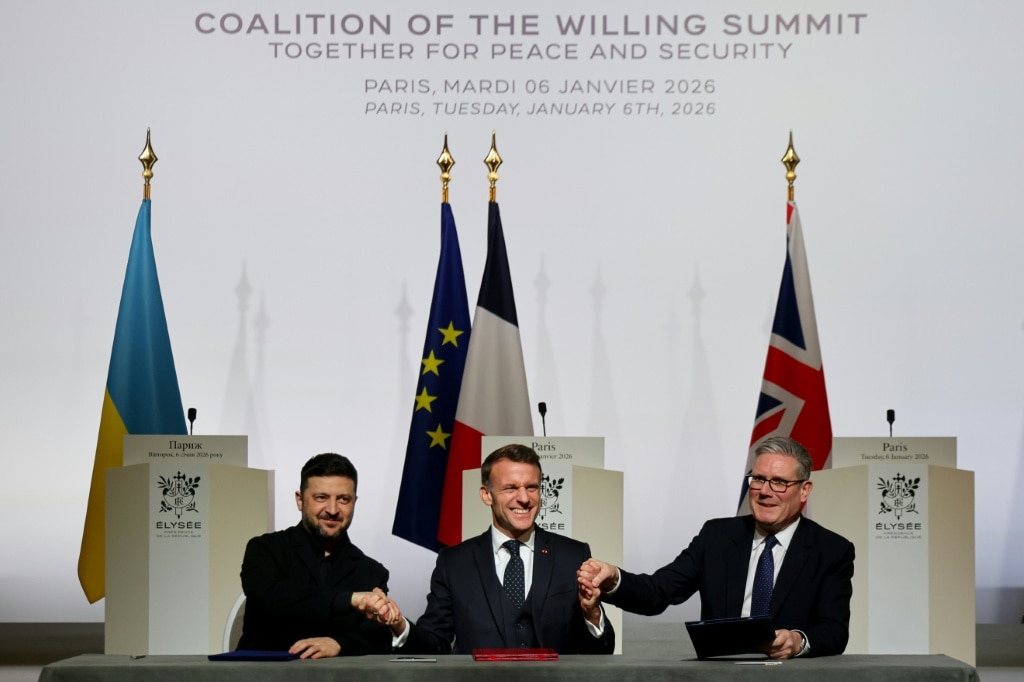
Russia has vehemently condemned Western proposals for post-conflict security arrangements in Ukraine, dismissing them as ‘dangerous’ and ‘destructive’ initiatives that effectively create an ‘axis of war’. The sharp criticism from Moscow’s foreign ministry spokeswoman Maria Zakharova came in response to recent diplomatic efforts by Ukraine’s allies, who convened in Paris to establish security guarantees for Kyiv that included provisions for a potential multinational peacekeeping force.
The diplomatic developments unfolded alongside intensified military actions, with Russian strikes causing widespread power outages affecting approximately 500,000 households across Ukraine’s Dnipropetrovsk and Zaporizhzhia regions. These attacks, which Ukrainian authorities described as a ‘national level emergency’, resulted in three fatalities in the southern city of Kherson and forced educational institutions to extend holiday closures.
President Volodymyr Zelensky confirmed that bilateral security agreements between Ukraine and the United States are nearing finalization, emphasizing that binding security assurances from allies remain essential to deter future Russian aggression. However, critical negotiation points regarding territorial control of the eastern Donbas region and the status of the Russian-occupied Zaporizhzhia nuclear facility remain unresolved.
Moscow’s position appears increasingly uncompromising, with repeated warnings that any NATO peacekeeping deployment would be considered legitimate military targets for Russian forces. German Chancellor Friedrich Merz acknowledged the significant distance to any ceasefire agreement, stating that Russia’s consent—which currently seems unlikely—remains prerequisite to any sustainable security arrangement.
The simultaneous escalation of diplomatic rhetoric and military operations suggests both sides are positioning for protracted conflict rather than imminent resolution, with security guarantees becoming the latest focal point in the nearly four-year confrontation.