NASA is currently assessing the potential early return of Crew-11 from the International Space Station following the emergence of a medical issue affecting one unnamed crew member. While the affected astronaut remains in stable condition, the situation has already prompted the cancellation of a scheduled spacewalk and triggered comprehensive contingency planning.
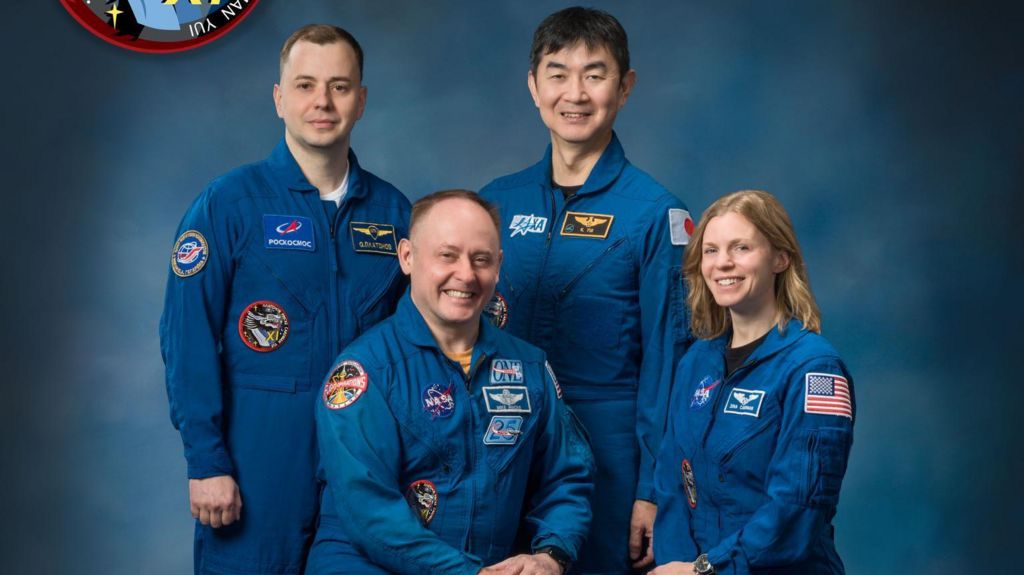
The four-person Crew-11 team, consisting of NASA astronauts Zena Cardman (commander) and Mike Fincke (pilot), along with Japan Aerospace Exploration Agency mission specialist Kimiya Yui and Russian cosmonaut Oleg Platonov, arrived at the orbital laboratory in August 2025 aboard a SpaceX Crew Dragon spacecraft. Their six-month mission was originally scheduled to conclude in late February 2026.
NASA officials emphasize that mission safety remains the absolute priority as they evaluate all available options. ‘Safely conducting our missions is our highest priority, and we are actively evaluating all options, including the possibility of an earlier end to Crew-11’s mission,’ stated a NASA spokeswoman.
The space station maintains comprehensive medical capabilities including equipment, supplies, and secure communication systems that enable private consultations between astronauts and Earth-based physicians. These systems allow for remote assessment and treatment guidance similar to terrestrial telehealth consultations.
According to space scientist Dr. Simeon Barber of the Open University, any decision to return Crew-11 would involve bringing all four astronauts back simultaneously rather than leaving部分 crew members behind. Such an early departure would require the remaining three crew members – NASA astronaut Chris Williams and Russian cosmonauts Sergey Kud Sverchkov and Sergei Mikayev – to focus primarily on essential station operations rather than scientific research.
The ISS, orbiting approximately 400 kilometers above Earth, would see some experimental work and maintenance tasks delayed until the arrival of the next scheduled crew if an early return is implemented. The complex engineering feat of the space station requires a minimum crew complement for optimal operation, and reduced staffing would necessitate prioritizing critical systems management over research activities.