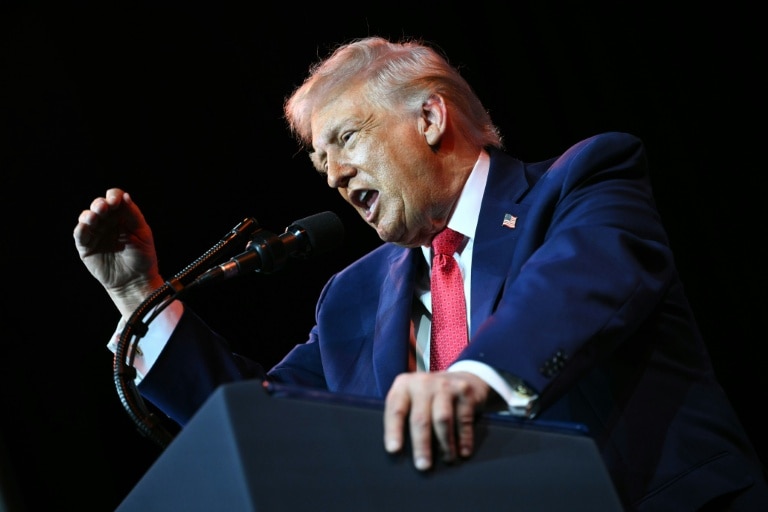
President Donald Trump’s persistent refusal to dismiss the potential use of military force to acquire Greenland continues to generate diplomatic tensions with Denmark, a longstanding NATO ally governing the autonomous Arctic territory. This controversial stance emerges amid growing concerns over Russian and Chinese military activities in the region and the strategic implications of rapidly melting Arctic ice due to climate change.
While the United States maintains an established military presence at Greenland’s Pituffik base—operational since World War II with approximately 150 permanent personnel—historical precedents show the stationing of up to 6,000 troops during Cold War tensions. A 1951 defense treaty theoretically permits Washington to substantially increase its military footprint through simple notification to Denmark, bypassing need for complex negotiations.
Analysts suggest Trump’s motivations extend beyond conventional security considerations. Kristine Berzina of the German Marshall Fund notes the president’s apparent fascination with territorial expansion as symbolic of ‘American greatness’—a core tenet of his Make America Great Again movement. The acquisition of Greenland’s vast territory (comparable to Alaska’s size with merely 57,000 inhabitants) would elevate the United States to the world’s third-largest nation by land area, surpassing China.
The administration has floated alternative approaches, including replicating the compact association model used with Pacific island nations or resurrecting historical purchase precedents. The 1917 acquisition of the US Virgin Islands from Denmark for $25 million in gold—completed under threat of force—provides historical context, though both Danish and Greenlandic authorities have unequivocally rejected contemporary sale discussions.
Legal and diplomatic experts remain skeptical about feasibility. Former State Department legal advisor Brian Finucane characterizes the proposals as ‘far-fetched,’ noting significant constitutional and international law hurdles beyond the evident political obstacles. The concept appears particularly incongruous given Trump’s frequent criticism of NATO, through which Greenland’s defense is already indirectly addressed.
This geopolitical posturing occurs against the backdrop of Russia’s ongoing invasion of Ukraine, where traditional allies would typically welcome heightened US engagement with European security concerns. Instead, Trump’s Greenland rhetoric manifests as potentially performative nationalism rather than substantive policy advancement.