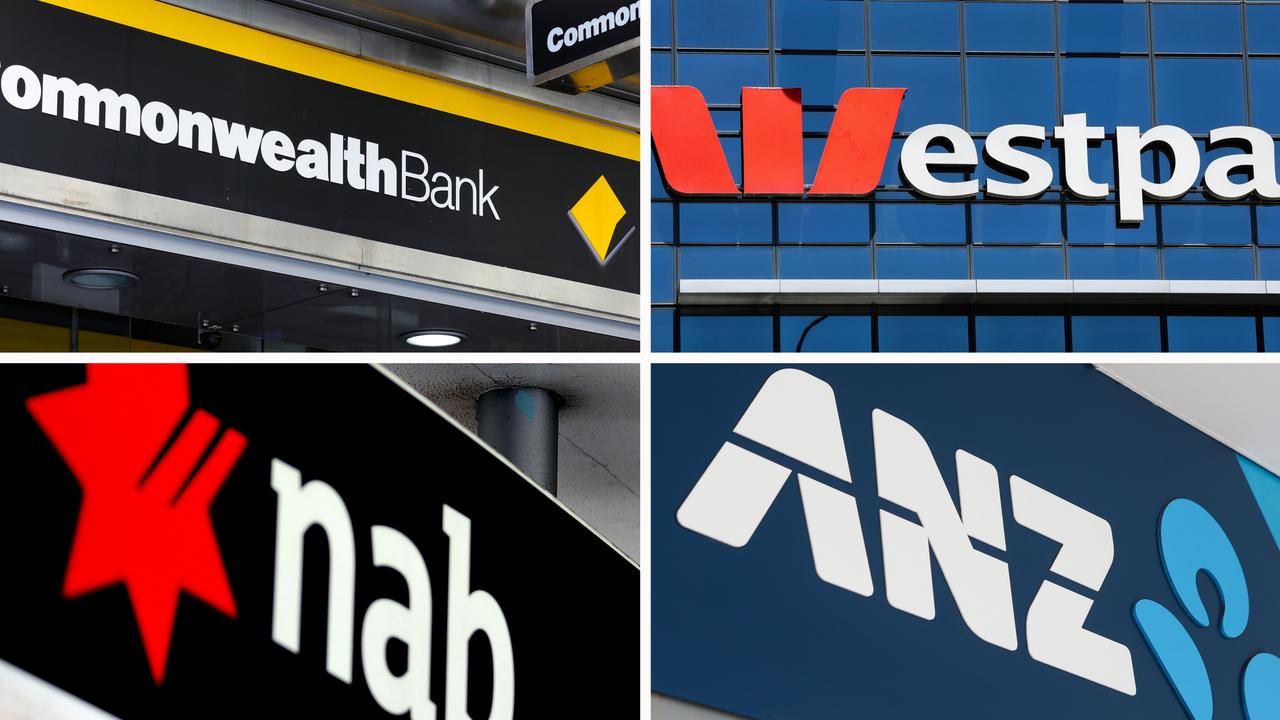
Australia’s financial sector faces heightened uncertainty as the nation’s four major banks present divergent forecasts for the upcoming Reserve Bank monetary policy decision. This follows the release of unexpectedly improved inflation data for the 12-month period ending November, which showed headline inflation declining to 3.4 percent from the previous 3.8 percent—surpassing economist projections of a 3.7 percent reading.
The critical trimmed mean inflation rate, which excludes volatile components such as fuel prices, also demonstrated a modest improvement, decreasing to 3.2 percent from 3.3 percent. Despite these positive indicators, economic analysts remain concerned about persistent underlying pressures within the economy.
Commonwealth Bank economist Harry Ottley characterized the latest figures as presenting ‘mixed signals,’ noting that while goods prices decreased—partially attributable to Black Friday promotional activities—services inflation and housing-related costs continued their upward trajectory. ‘This constitutes an uncomfortable number for the RBA,’ Ottley stated, maintaining the bank’s prediction of a 25 basis point increase to 3.85 percent at the February meeting.
Judo Bank’s chief economic adviser Warren Hogan delivered a similarly sober assessment, emphasizing that despite the encouraging inflation moderation, current economic conditions necessitate further monetary tightening. ‘Less than a quarter of the CPI basket falls below the RBA’s target band,’ Hogan explained during a television appearance, adding that ‘over the past six months, both economic performance and inflation have been rising, suggesting the current rate may be inappropriate.’
In contrast, ANZ and Westpac anticipate the Reserve Bank will maintain the existing cash rate of 3.6 percent. ANZ senior economist Adelaide Timbrell acknowledged that inflation remains elevated but expects policymakers to exercise caution. Westpac’s Justin Smirk pointed to upcoming quarterly inflation data, due for release later in January, as potentially providing clearer evidence of decelerating price pressures that could reassure the central bank.
The RBA implemented three rate reductions during 2025—in February, May, and August—bringing the cash rate down from 4.35 percent to its current level, which represents the lowest benchmark since mid-2023. This historical context adds complexity to the forthcoming decision as the board balances encouraging inflation trends against persistent concerns about service sector pricing and housing costs.