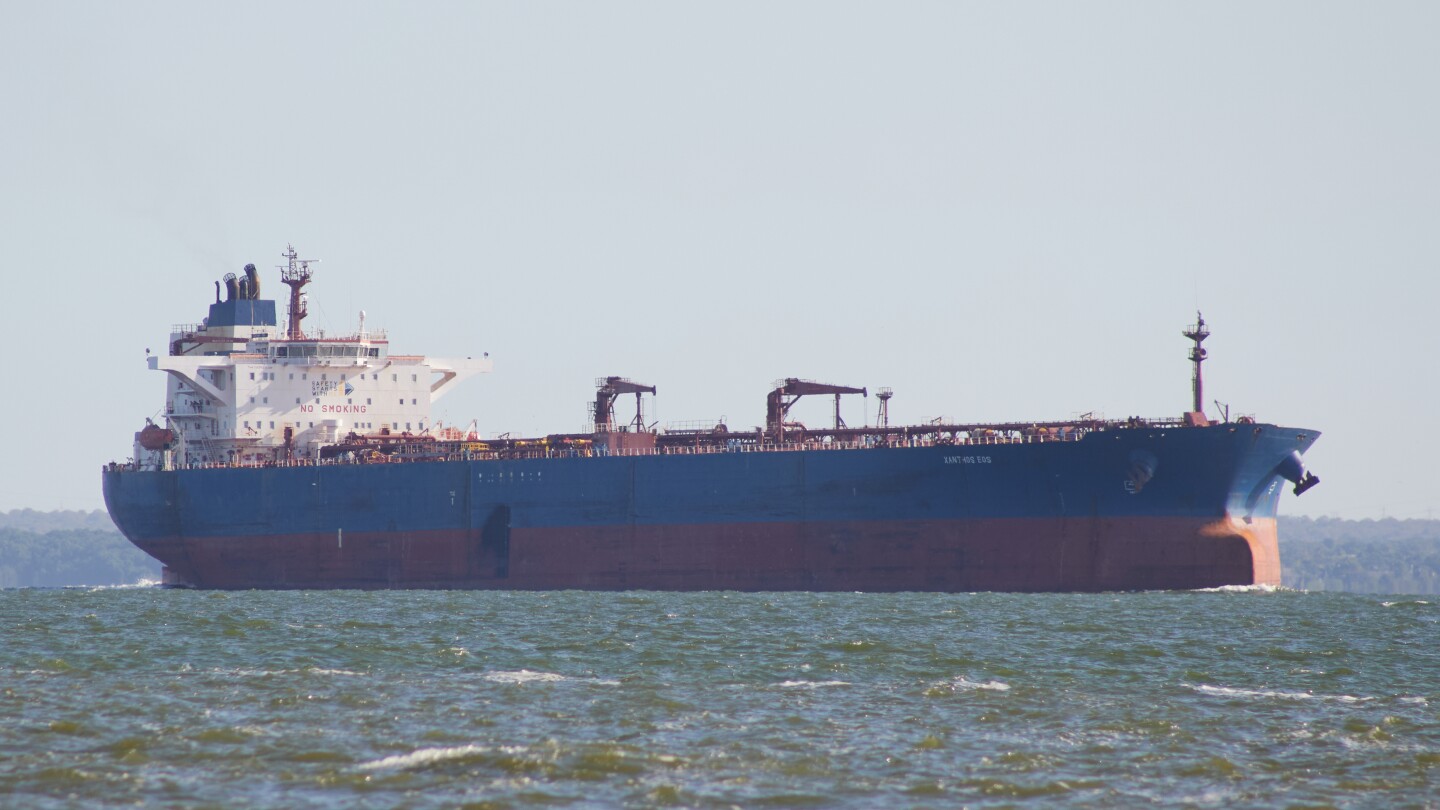
In a dramatic geopolitical maneuver, the United States has initiated a comprehensive strategy to reshape Venezuela’s oil industry following recent military actions. The Trump administration has outlined ambitious plans to revitalize the nation’s crippled energy sector while securing substantial oil shipments for American markets.
Venezuela possesses the world’s largest proven oil reserves, estimated at 303 billion barrels—approximately 17% of global supply. However, decades of mismanagement, infrastructure decay, and political turmoil have reduced production to merely 1% of worldwide output. Energy experts warn that this situation represents both a critical challenge and unprecedented opportunity as global demand projections indicate potential supply shortages in the coming decades.
The administration has selectively lifted sanctions to facilitate Venezuelan oil shipments, with proceeds directed to U.S.-controlled accounts for distribution to both American and Venezuelan populations. Initial agreements call for 30-50 million barrels of Venezuelan crude to supply U.S. refineries, particularly those on the Gulf Coast configured to process Venezuela’s heavy, sour crude variety.
Energy analysts highlight dual objectives: reducing global energy prices through increased supply and addressing specific refinery needs for heavy crude. Kevin Book of ClearView Energy Partners notes that increased Venezuelan production could lower transportation and energy costs for consumers worldwide while improving availability of diesel and jet fuel.
However, significant hurdles remain. Venezuela’s oil infrastructure has suffered catastrophic damage, with leaking pipelines, looted equipment, and chronic electricity shortages. The country has experienced massive brain drain as skilled workers fled economic collapse. Rystad Energy estimates require $54 billion in investment over 15 years just to maintain current production levels.
Major oil companies approach Venezuela with caution despite potential opportunities. Exxon Mobil and ConocoPhillips remain owed billions from previous nationalizations, and industry experts question whether Venezuela can offer sufficient stability and returns compared to other global investment opportunities. Historical precedents from Iraq, Iran, and Libya suggest regime changes typically lead to prolonged production declines before recovery.
The administration believes U.S. support could rebuild Venezuela’s oil industry within 18 months, but energy experts remain skeptical given the scale of physical, technical, and political challenges facing any potential recovery.