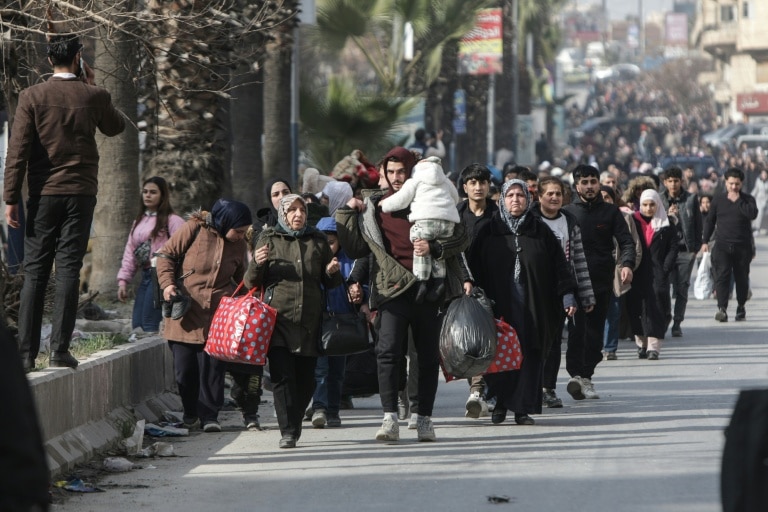
Tensions in the northern Syrian city of Aleppo escalated dramatically this week as the Syrian government issued an ultimatum demanding Kurdish fighters evacuate their strongholds in the Sheikh Maqsud and Ashrafiyeh neighborhoods. The confrontation has triggered a severe humanitarian crisis, with thousands of civilians fleeing under artillery fire after the areas were declared closed military zones.
The violence erupted on Tuesday, resulting in the deaths of at least 16 civilians and one defense ministry official. Both the Syrian government and the Kurdish-led Syrian Democratic Forces (SDF) have exchanged accusations regarding which party initiated the hostilities. In response to the crisis, Syrian authorities established humanitarian corridors, through which over 3,000 civilians were evacuated, many carrying their possessions and expressing despair after 14 years of continuous conflict.
This military confrontation represents a significant breakdown of the March agreement that aimed to integrate the Kurdish semi-autonomous administration and its military forces into Syria’s new Islamist-led government structure by the end of 2025. The fundamental disagreement centers on governance models, with Kurdish leadership advocating for decentralized rule—a proposal firmly rejected by Damascus.
Kurdish official Ilham Ahmed condemned the government offensive as a ‘genocidal war’ against the Kurds and called for a return to diplomatic solutions. Conversely, the SDF maintains they have no military presence in the affected neighborhoods and urged immediate cessation of what they described as aggression against innocent civilians.
The United Nations has intervened diplomatically, with spokesperson Stephane Dujarric urging all parties to de-escalate tensions, exercise restraint, and protect civilian populations. The international body emphasized the importance of resuming negotiations to implement the previously agreed integration roadmap.
The conflict has paralyzed normal life in Aleppo, with educational institutions, government offices, and the city’s airport suspending operations indefinitely. Residents in government-controlled areas reported the violence reviving traumatic memories of the city’s brutal siege during the civil war, with many expressing they have nowhere left to flee.
This development threatens to reignite broader conflict across Syria, particularly concerning minority communities who remain wary of their security under the new authorities, following recent sectarian violence in Alawite and Druze regions that resulted in hundreds of casualties.