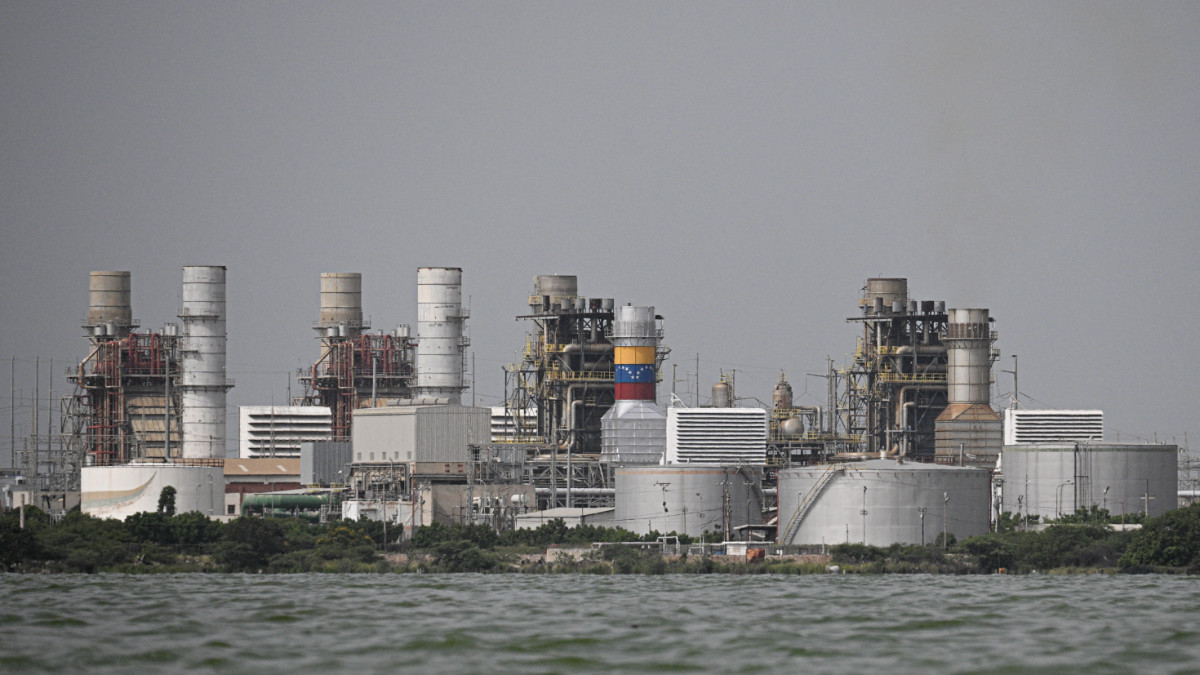
In a significant escalation of economic pressure on Venezuela, former U.S. President Donald Trump announced he would personally oversee the proceeds from the sale of millions of barrels of Venezuelan oil. The declaration came via social media, where Trump revealed that interim Venezuelan authorities would transfer 30-50 million barrels of sanctioned, high-quality oil to the United States for market-price sale.
Trump emphasized that the substantial revenue generated—equivalent to 30-50 days of Venezuela’s current production—would be under his direct presidential control. He stated these funds would be allocated to benefit both Venezuelan citizens and American interests. This move represents a dramatic expansion of U.S. involvement in Venezuela’s energy sector, which the administration characterizes as an ‘indefinite’ commitment.
The U.S. Energy Department subsequently clarified that this initial seizure merely inaugurates a broader strategy. All future Venezuelan oil sales will be processed through U.S.-controlled accounts at internationally recognized financial institutions. Energy Secretary Chris Wright, speaking at a Miami conference, confirmed the permanent nature of this arrangement, stating the U.S. would market Venezuela’s oil production ‘indefinitely, going forward’ to drive necessary political changes in the country.
The geopolitical implications are substantial. This policy has already triggered confrontations with global powers, notably evidenced by the U.S. seizure of a Russian-flagged tanker linked to Venezuela’s oil trade in the Atlantic—an operation supported by Britain’s Royal Air Force. Despite Russian naval vessels providing escort, U.S. forces boarded the tanker, escalating tensions with the nuclear-armed nation amid ongoing Ukraine negotiations.
The White House attempted to minimize the incident’s diplomatic ramifications, characterizing the vessel as ‘stateless’ due to false flag representation and emphasizing its judicial seizure status. Meanwhile, the oil industry notes that Venezuelan heavy crude is particularly suited to U.S. Gulf refineries (which Trump renamed the ‘Gulf of America’), potentially benefiting American consumers through increased gasoline and diesel availability amid persistent inflation concerns.
This aggressive approach recalls 20th-century ‘gunboat diplomacy’ and fundamentally alters Venezuela’s economic sovereignty over its world-leading oil reserves, which constitute approximately 17% of global supplies. The policy follows a U.S. blockade that crippled Venezuela’s already struggling energy sector and the subsequent abduction of President Nicolás Maduro, who now awaits trial in New York.