Pakistan and Saudi Arabia are engaged in advanced negotiations regarding a significant defense arrangement that would convert approximately $2 billion of Saudi loans into a comprehensive fighter jet procurement package, according to sources familiar with the discussions. This development represents a substantial deepening of military cooperation between the two nations following their landmark mutual defense agreement signed in September.
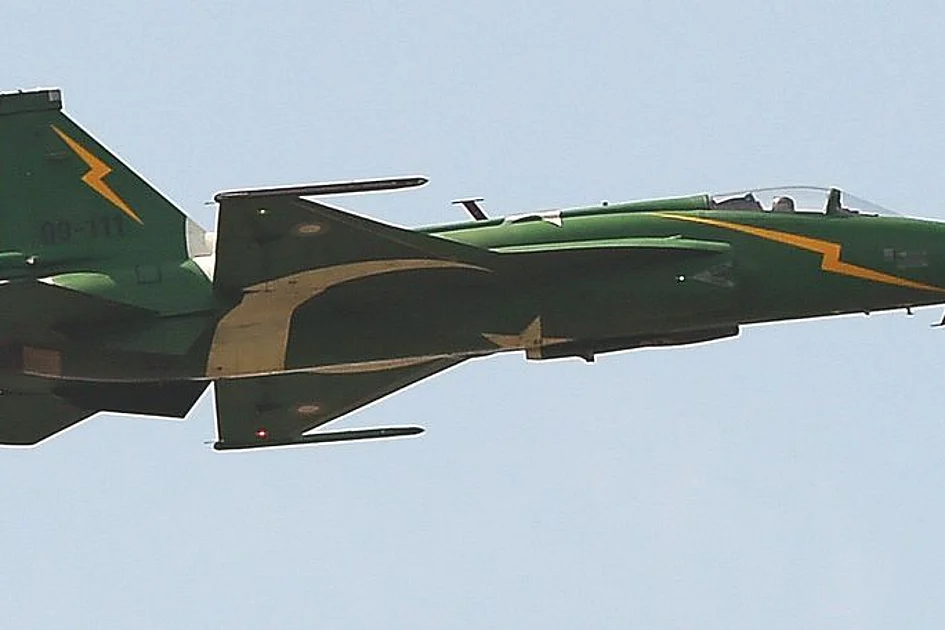
The proposed arrangement, potentially valued at up to $4 billion according to one informed source, centers on the provision of JF-17 Thunder fighter jets—light combat aircraft jointly developed by Pakistan and China and manufactured in Pakistani facilities. While the JF-17 constitutes the primary component under consideration, additional military equipment options remain part of the ongoing dialogue.
This strategic negotiation occurs against a backdrop of Pakistan’s acute financial challenges and Saudi Arabia’s broader initiative to diversify its security partnerships amid evolving geopolitical dynamics in the Middle East. The mutual defense pact, activated following Israel’s strikes on Hamas targets in Doha, formally commits both nations to treat any aggression against either country as an attack on both.
Pakistan’s Air Chief Zaheer Ahmed Baber Sidhu recently conducted bilateral talks in Saudi Arabia focusing specifically on military cooperation, as reported by Saudi media outlet SaudiNews50. The JF-17’s combat-proven status, having been deployed during Pakistan’s conflict with India in May—the most significant hostilities between the neighbors in decades—significantly enhances its market appeal according to military analysts.
Retired Air Marshall Amir Masood noted that Pakistan is currently negotiating with six countries regarding defense equipment provisions, including electronic and weapons systems for the JF-17 platform. The aircraft’s cost-effectiveness and combat verification make it particularly attractive to international buyers.
This potential agreement continues a long-standing security relationship that has seen Pakistan provide military training and advisory support to Saudi Arabia, while the kingdom has repeatedly offered financial assistance during Pakistan’s economic difficulties. In 2018, Riyadh extended a $6 billion support package including central bank deposits and deferred oil payments, with subsequent rollovers including a $1.2 billion deferment last year.
Pakistan has significantly expanded its defense export outreach recently, securing a $4 billion weapons agreement with Libya’s eastern-based Libyan National Army last month—one of its largest arms sales ever—and engaging in discussions with Bangladesh regarding potential JF-17 sales. Defense Minister Khawaja Asif stated that the success of Pakistan’s weapons industry could fundamentally transform the country’s economic prospects, potentially reducing dependence on International Monetary Fund support within six months.