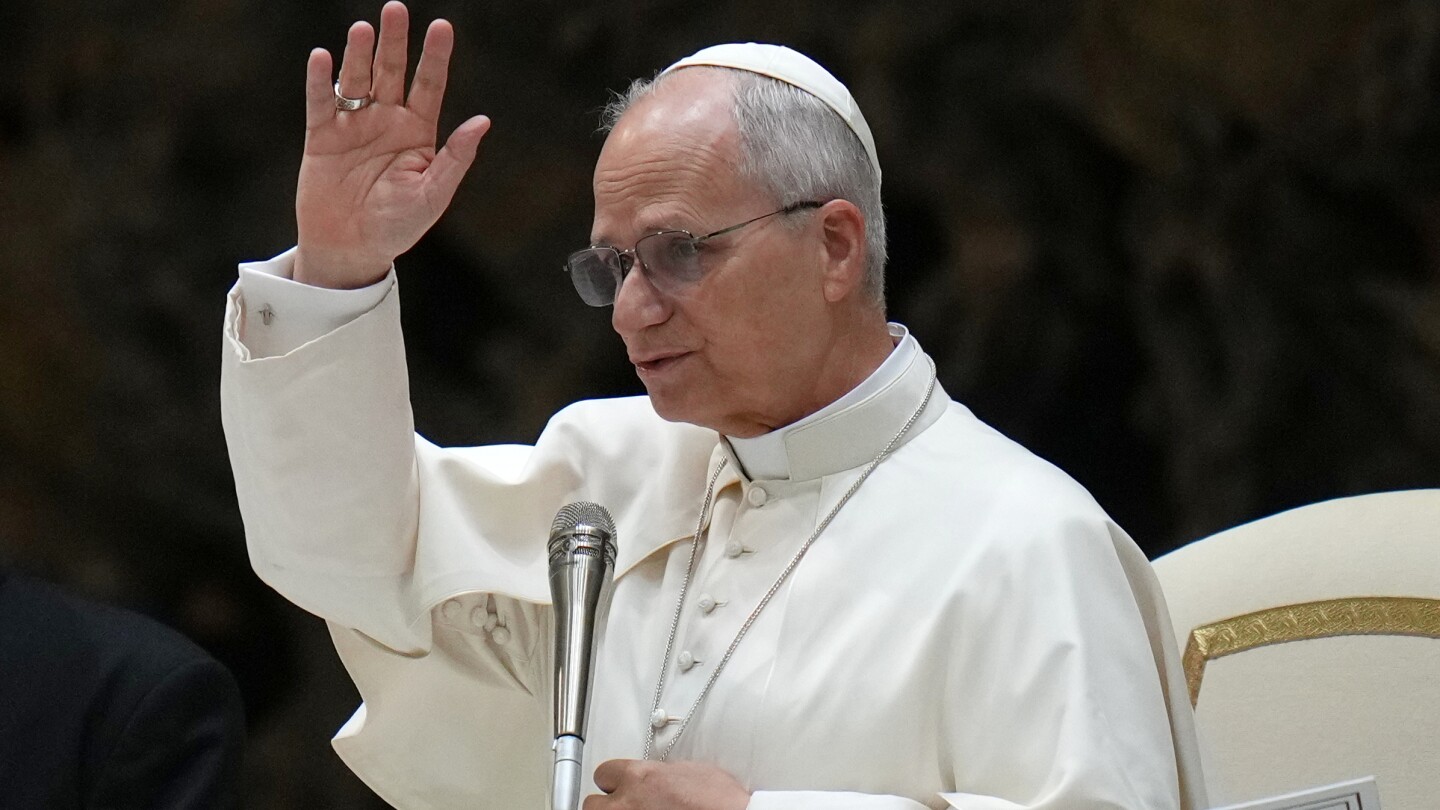
In a significant transition marking the post-Holy Year era, Pope Leo XIV has convened the College of Cardinals in Rome, signaling a reform-oriented agenda for his evolving pontificate. The gathering, which commenced Wednesday immediately following the closure of the 2025 Jubilee celebrations, represents a strategic shift in Vatican governance approaches.
The pontiff declared his intention to dedicate upcoming catechism lessons to reexamining core documents from the Second Vatican Council (1962-1965), describing these teachings as the enduring “guiding star” for contemporary Catholicism. This initiative addresses the passing of the generation that originally shaped Vatican II’s transformative reforms, which revolutionized Catholic liturgy through vernacular Mass, enhanced lay participation, and redefined interfaith relations.
Leo’s two-day consistory marks a notable departure from his predecessor’s governing style. While Pope Francis relied primarily on a select group of nine cardinals for counsel, the new assembly engages the broader College—a move responding to previous criticisms about centralized decision-making within the 1.4-billion-member global church.
The agenda features critical examination of Francis’s key documents, including his foundational pontifical mission statement and the 2022 Curia reform constitution. Discussions will also address synodal processes for greater lay responsiveness and liturgical practices—particularly tensions surrounding the traditional Latin Mass that Francis had restricted to prevent denominational fractures.
With 245 cardinals worldwide (approximately half under the conclave-voting age of 80), the assembly demonstrates Leo’s reconciliatory approach. This was further evidenced by his scheduled audience with Cardinal Joseph Zen, the 93-year-old conservative critic of Francis’s China policies who had long sought papal audience.
The consistory’s stated purpose emphasizes “common discernment” to support the pontiff’s governance responsibilities, suggesting a more collaborative leadership model for the Catholic Church’s future direction.