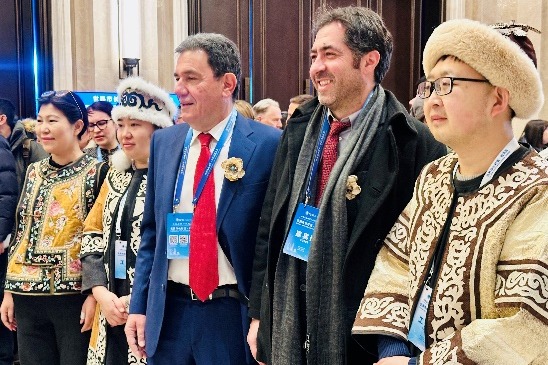
In a remarkable cultural prelude to the Global Mayors Dialogue in Harbin, municipal leaders from seven nations immersed themselves in the rich artistic traditions of China’s Hezhe ethnic minority on January 6th. The international delegation explored an exclusive exhibition of intangible cultural heritage, witnessing extraordinary craftsmanship that blends ancient techniques with contemporary expression.
The mayors encountered three distinctive art forms that showcase Hezhe cultural preservation: wheat straw mosaic art demonstrating intricate natural material work, birch bark paintings depicting urban landscapes through indigenous perspectives, and innovative fish leather artistry utilizing piscine hides transformed into durable decorative pieces. This unique gallery experience provided a rare insight into how traditional craftsmanship maintains relevance in modern society.
The cultural exchange event served as both diplomatic bridge-building and cultural education, allowing global city leaders to appreciate China’s diverse ethnic heritage while fostering mutual understanding. The Hezhe people, one of China’s smallest ethnic groups with a population of approximately 5,000, primarily inhabit the Heilongjiang region and are renowned for their fishing culture and distinctive artistic traditions.
This intercultural engagement highlights how heritage preservation and international diplomacy can intersect, creating opportunities for cultural appreciation beyond formal political dialogues. The event demonstrated China’s commitment to showcasing its multicultural tapestry while building connections between local traditions and global leadership.