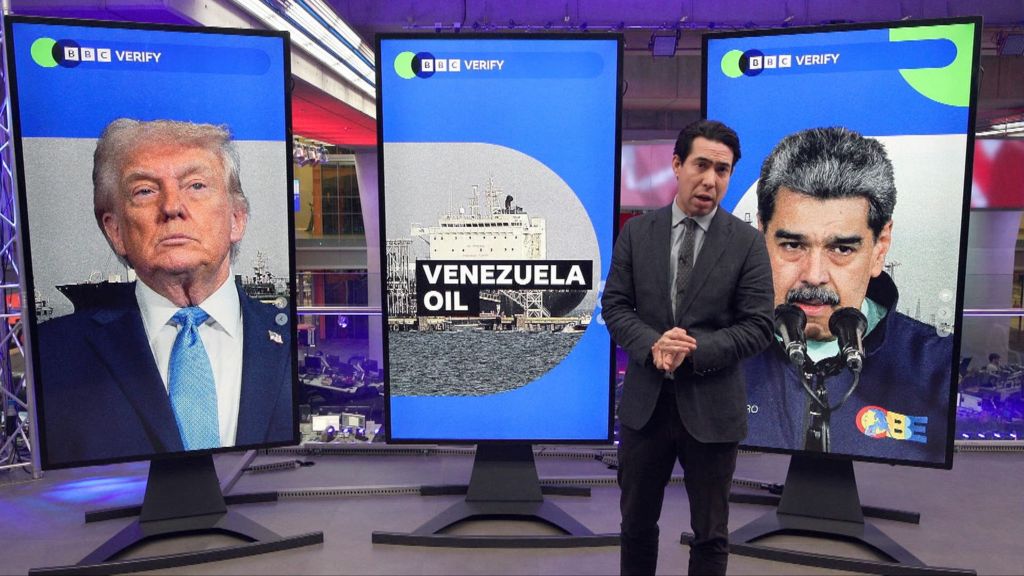
Recent geopolitical developments have brought renewed attention to the complex energy relationship between the United States and Venezuela. Analysis reveals that securing access to Venezuela’s substantial petroleum reserves represents a fundamental driver behind Washington’s current policy approach toward the South American nation.
This strategic priority has emerged as a central factor influencing diplomatic maneuvers and economic decisions, with energy security considerations appearing to outweigh other foreign policy objectives. The situation reflects the ongoing recalibration of global energy alliances and resource competition.
Venezuela, despite recent production challenges, maintains the world’s largest proven oil reserves, presenting a significant strategic interest for energy-consuming nations. The U.S. government’s positioning suggests a pragmatic recognition of Venezuela’s continuing importance in global energy markets, even amid longstanding political tensions between the two governments.
The evolving dynamic highlights how resource economics frequently intersect with international diplomacy, creating complex relationships between nations with competing political systems but complementary economic needs. This case exemplifies how energy requirements can shape foreign policy in unexpected ways, creating diplomatic openings even between historically antagonistic governments.