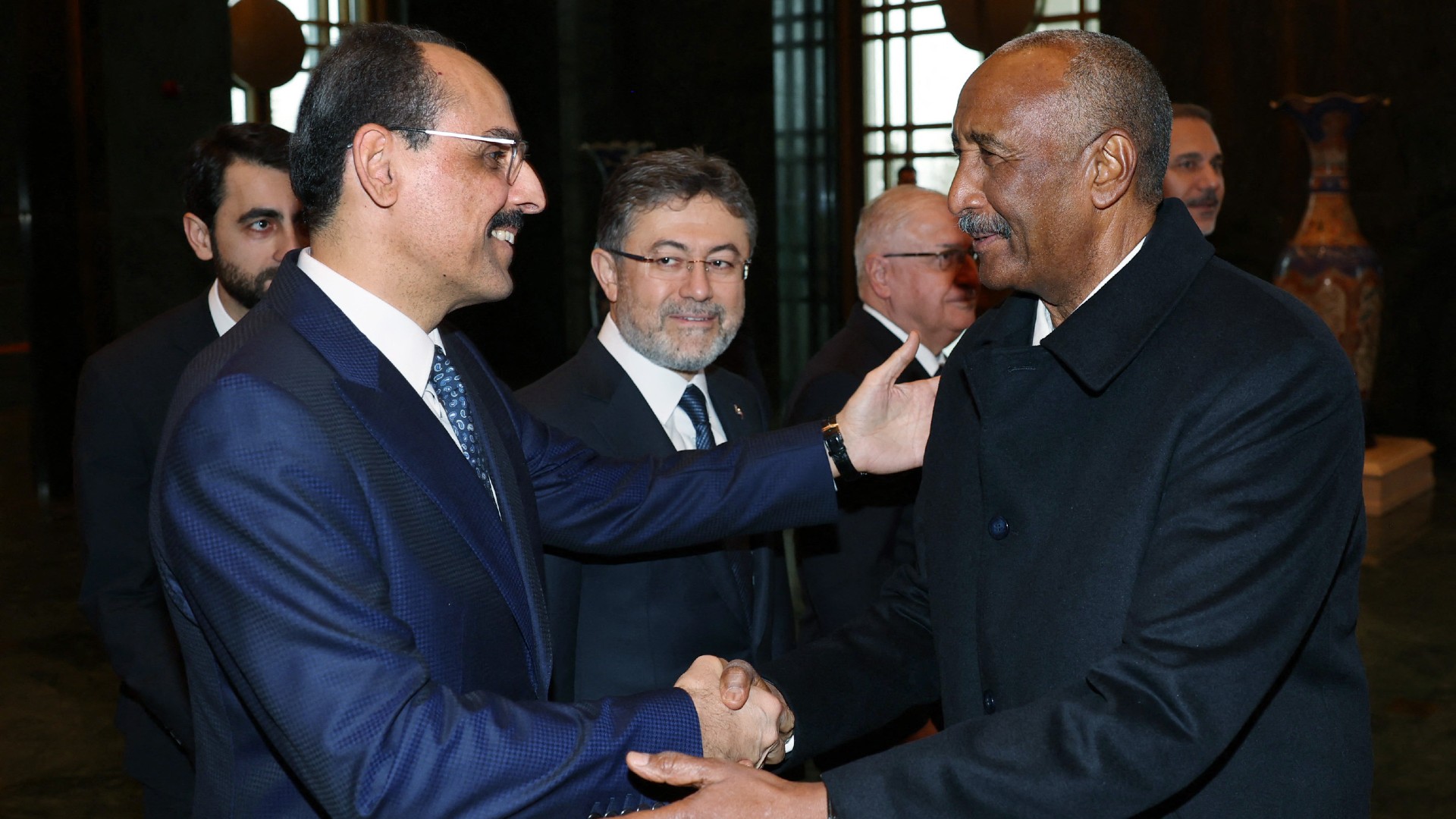
Turkey is strategically intensifying its engagement across Africa through a distinctive multi-faceted approach that combines security cooperation, economic investment, and intelligence diplomacy, according to National Intelligence Organisation director Ibrahim Kalin. This expansion represents a significant shift from Ankara’s previously Europe-focused foreign policy to becoming what analysts describe as “one of the most consequential external actors on the continent.”
The Turkish approach spans hard power elements—including armed drone exports and security training agreements—with soft power initiatives such as educational exchanges and commercial expansion, notably through Turkish Airlines’ extensive African network. This strategy has produced substantial results: trade volume between Turkey and Africa has multiplied eightfold since 2003, reaching $40.7 billion in 2022, while diplomatic presence has expanded from 12 embassies in 2002 to 44 today.
Security cooperation forms a cornerstone of Turkey’s African engagement. Ankara has provided critical support in counterterrorism operations in Somalia, stabilization efforts in Libya, and mediation in various regional conflicts. A particularly notable demonstration of Turkey’s enhanced capabilities was the 2020 rescue of Italian humanitarian worker Silvia Romano from al-Shabaab captivity in Somalia—an operation experts say demonstrated intelligence capabilities matched by few global powers.
Turkey’s pragmatic approach is especially evident in its engagement with former French colonies Niger, Burkina Faso, and Mali, all of which have recently experienced political transitions. In these nations, Turkey has filled security vacuums while expanding economic ties, including planned gold production in Niger set to commence in 2026.
Analysts note that Turkey’s current African engagement revives historical connections dating to the Ottoman Empire’s presence in North Africa, but represents a fundamentally modern strategy that emphasizes institutional capacity building rather than traditional intervention models. Unlike many Western powers, Turkey focuses on enabling African governments to develop self-sufficient defense capabilities while maintaining neutrality in regional conflicts.
This strategic positioning, according to experts, signals Turkey’s maturation as a middle power capable of influencing on-the-ground dynamics across Africa and directly competing with other global powers in shaping the continent’s future.