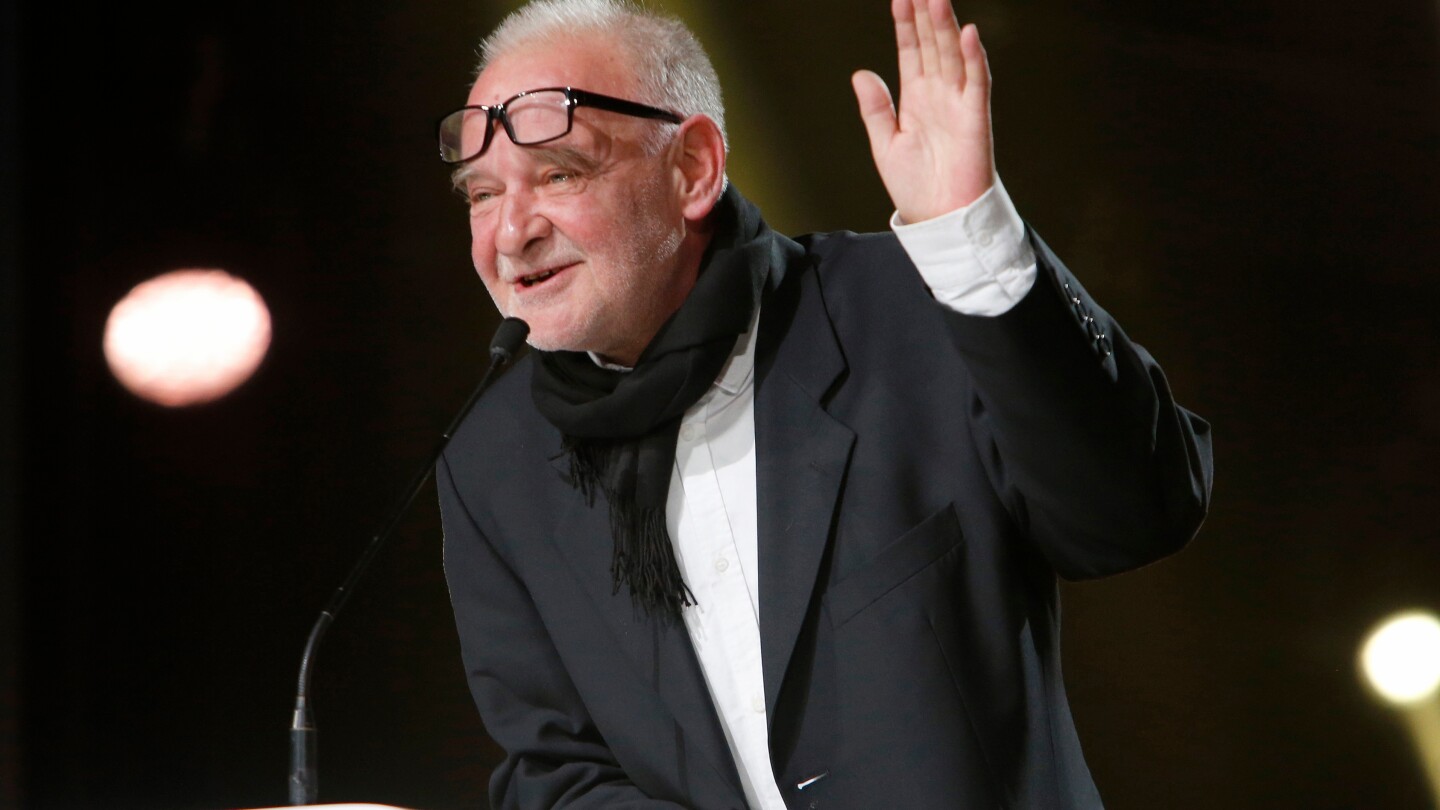
The global film community is in mourning following the passing of acclaimed Hungarian director Béla Tarr, who died Tuesday at age 70 after battling a prolonged illness. The Hungarian Filmmakers’ Association confirmed the news with “deep sorrow,” marking the end of an era for cinematic artistry.
Tarr’s distinctive filmography, spanning over four decades, established him as one of cinema’s most uncompromising visionaries. His works, including the monumental 7-hour masterpiece “Sátántangó” and the critically acclaimed “The Turin Horse,” revolutionized cinematic storytelling through their hypnotic long takes and stark black-and-white aesthetic.
Renowned for his meditative pacing and profound exploration of human despair and societal decay, Tarr’s films earned international recognition at prestigious festivals across Europe and Asia. His artistic contributions transcended borders, earning him honorary professorships at Chinese universities in recognition of his pedagogical influence.
The director’s retirement in 2011 after completing “The Turin Horse” marked the conclusion of an extraordinary career that challenged conventional narrative structures. Tarr’s legacy endures through his profound impact on art cinema, influencing generations of filmmakers with his unique visual language and philosophical depth.