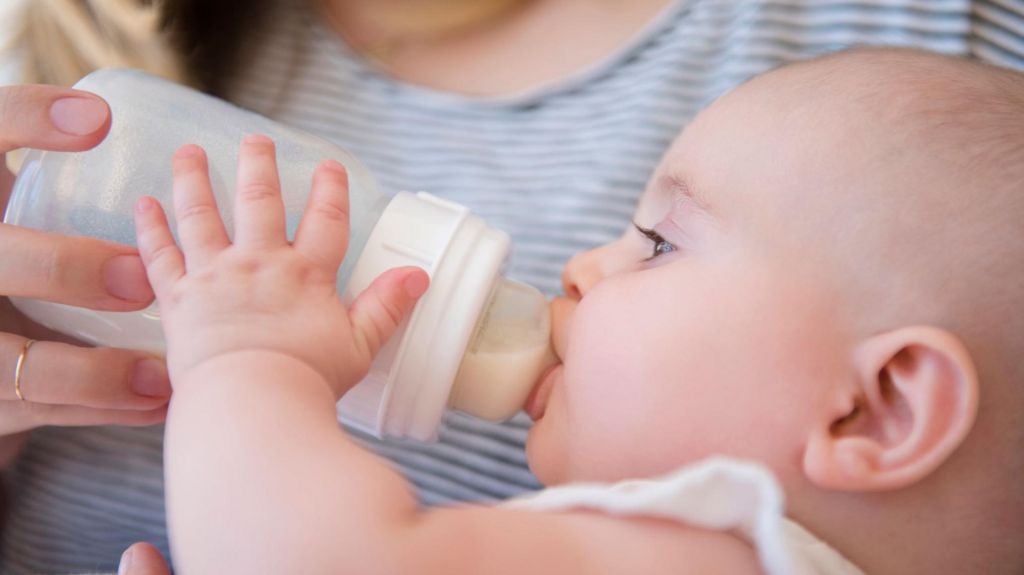
In a significant product safety move, multinational food conglomerate Nestlé has announced a worldwide voluntary recall of multiple infant formula brands following the potential detection of cereulide toxin. This hazardous substance, produced by specific strains of Bacillus cereus bacteria, can induce acute food poisoning symptoms including severe nausea, vomiting, and abdominal cramps upon consumption.
The comprehensive recall affects specific batch numbers across Nestlé’s SMA infant formula and follow-on formula products distributed globally. The company has confirmed impacted products reached markets throughout Europe, including France, Germany, Austria, Denmark, Italy, and Sweden, with varying product names such as Guigoz and Nidal in France, and Beba and Alfamino in Germany.
Nestlé emphasized that this precautionary measure follows internal quality control checks that identified potential contamination in ingredients supplied by a third-party provider. Crucially, the company stated no illness cases have been formally reported in connection with the affected batches to date.
“The safety and wellbeing of babies remains our absolute priority,” a Nestlé representative stated. “We extend our sincere apologies for any concern or inconvenience caused to parents, caregivers, and customers worldwide.”
The Food Standards Agency (FSA) has issued complementary guidance, warning that cereulide toxin cannot be neutralized through conventional preparation methods including boiling water or standard cooking procedures. Jane Rawling, Head of Incidents at the FSA, advised consumers to immediately discontinue use of the identified products and seek medical consultation if concerned about potential health impacts.
Nestlé has established refund protocols for affected customers and maintains that all non-recalled products and batches remain safe for consumption. Consumers can verify batch numbers through Nestlé’s regional websites or national food safety portals, with identification codes typically located on container bases or packaging surfaces.