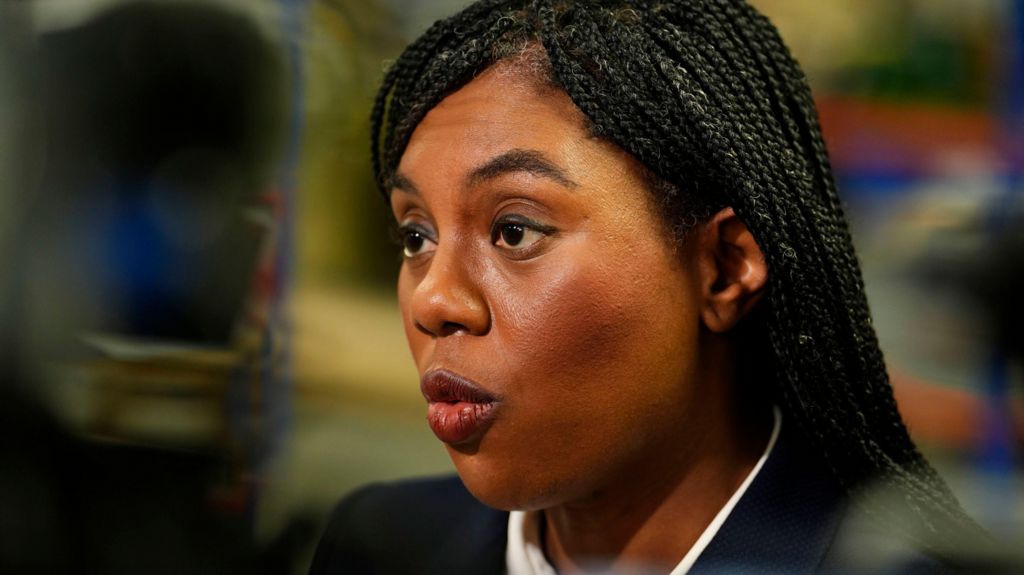
British Cabinet Minister Kemi Badenoch has characterized the recent US military intervention in Venezuela as “morally justified” despite acknowledging uncertainties surrounding its legal foundations. In a BBC Radio 4 interview, the Conservative leader expressed support for the operation that resulted in the extraction of President Nicolás Maduro, whom she described as leading a “brutal regime.
The controversial military action, which unfolded over the weekend, involved US forces apprehending Maduro and his wife in Caracas while conducting simultaneous strikes on Venezuelan military installations. The deposed leader and his spouse currently face serious charges in New York courts, including weapon and drug trafficking offenses related to alleged cocaine smuggling operations.
While maintaining her moral endorsement of the intervention, Badenoch conceded that the operation “raise[s] serious questions about the rules-based order.” Drawing from personal experience having grown up under Nigerian military rule, she emphasized her understanding of authoritarian governance, stating she “know[s] what it’s like to have someone like Maduro in charge.”
The UK government has adopted a carefully measured stance regarding the incident, avoiding direct condemnation of potential international law violations while continuing to recognize Maduro as an “illegitimate president.” This position has drawn criticism from opposition parties including Labour, Liberal Democrats, Greens, and SNP, who have collectively demanded explicit condemnation of what they characterize as illegal actions by the Trump administration.
In a related geopolitical development, the interview addressed President Trump’s renewed interest in Greenland, with Badenoch drawing clear distinctions between the situations. She emphasized that “there is a big difference between democratic states” and Venezuela, which she termed a “gangster state,” noting that Greenland’s future should remain exclusively with Denmark and its people.
Health Secretary Wes Streeting subsequently elaborated on the government’s differentiated approach, explaining that Denmark’s NATO membership and the absence of British national security concerns regarding Greenland justified the contrasting responses to the two situations.
Meanwhile, Foreign Secretary Yvette Cooper has engaged in diplomatic communications with US counterpart Marco Rubio, reminding him of international legal obligations while maintaining the UK position that the United States must provide its own legal justification for the operation.
The developments have sparked concerns among some foreign policy experts, including Labour MP Emily Thornberry, who chairs the Commons Foreign Affairs Committee. Critics warn that the US action potentially emboldens rival powers like Russia and China while undermining international legal norms.
President Trump has committed to overseeing Venezuelan governance during what he terms a “proper” transition of power, with Vice-President Delcy Rodríguez assuming interim presidential duties pending establishment of a new governmental structure.