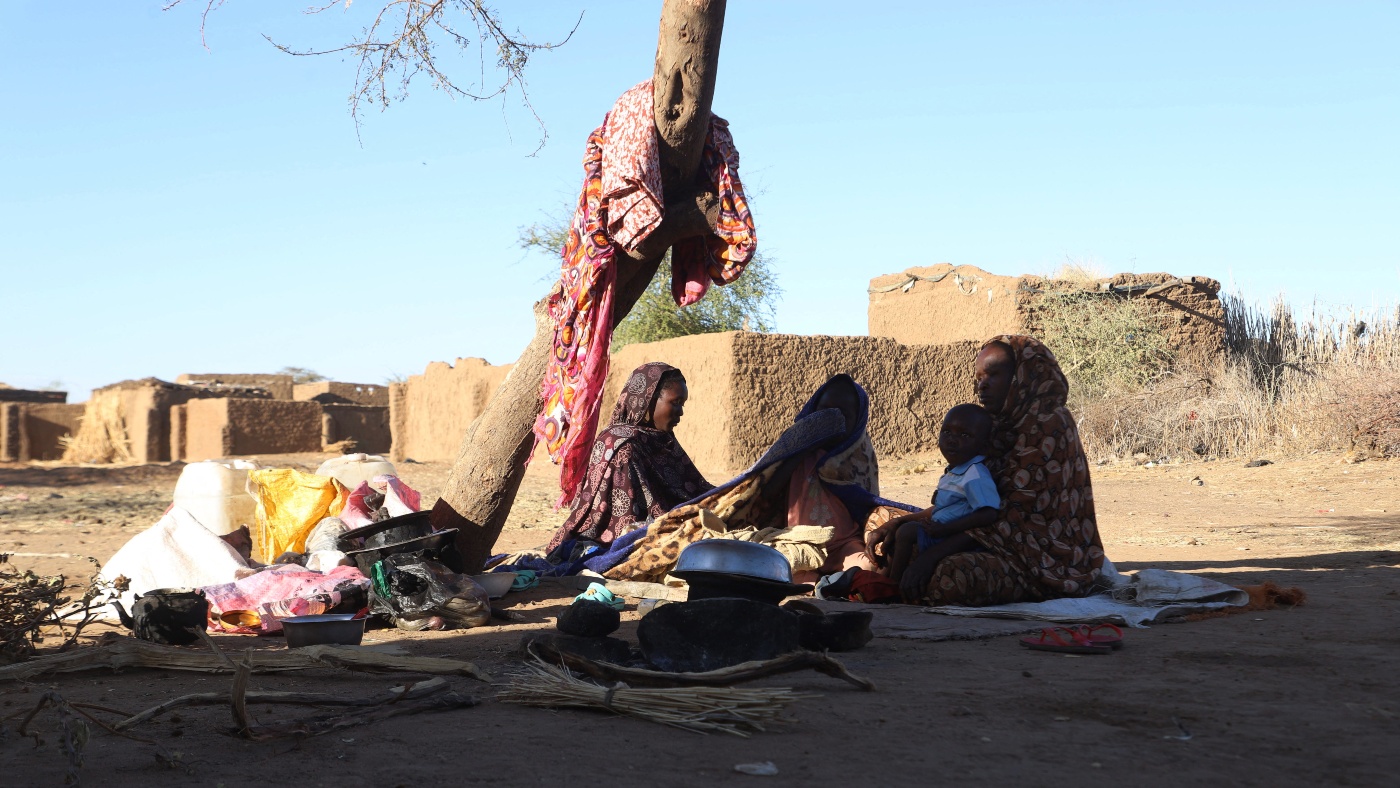
A severe humanitarian crisis is unfolding in Sudan as the United Nations reports approximately 65,000 civilians have been displaced from the Kordofan region over the past three months due to escalating violence. According to a statement released by the UN’s International Organisation for Migration (IOM), this mass exodus occurred between October 25 and December 30, 2025, with 56 separate displacement incidents documented across the region.
The displacement breakdown reveals North Kordofan as the most severely affected area, with over 42,000 people forced to flee. South Kordofan witnessed nearly 21,860 displacements, while West Kordofan’s Geibaish area saw approximately 250 people seeking safety. The IOM emphasized these figures are preliminary and likely to increase given the ongoing instability and security challenges throughout the region.
This recent displacement adds to the staggering total of nearly 13 million people uprooted since Sudan’s civil war erupted in April 2023. The conflict originated from tensions between the paramilitary Rapid Support Forces (RSF) and the Sudanese Armed Forces (SAF) that escalated into full-scale warfare.
The geopolitical landscape shows the RSF currently controlling five states in the Darfur region, while the Sudanese army maintains dominance over the remaining 13 states across southern, northern, eastern, and central regions, including the capital city of Khartoum. These factions previously collaborated in 2019 to overthrow Omar al-Bashir, Sudan’s ruler of three decades, before splitting in 2023.
International scrutiny has intensified as both sides face serious allegations. The RSF has been accused of genocide and war crimes, including mass killings in el-Fasher in November. The Sudanese government and human rights monitors have implicated the United Arab Emirates in complicity regarding these atrocities, alleging military support for RSF leader Mohamed Hamdan ‘Hemedti’ Dagalo.
The RSF stands accused of widespread human rights violations including torture, rape, and summary executions, resulting in international sanctions and genocide accusations. Meanwhile, the SAF has also faced allegations of war crimes and human rights abuses, creating a complex humanitarian disaster.
Financial investigations reveal Hemedti’s estimated wealth of $7 billion in 2023, with significant financial ties to the UAE. Amnesty International reported in May 2025 that the UAE was supplying Chinese-made weaponry to Darfur through complex networks across Libya, Chad, Uganda, and breakaway regions of Somalia, potentially violating UN arms embargoes.
The UAE’s strategic interests in Sudan include significant stakes in the country’s untapped agricultural and mineral sectors, particularly gold resources. This engagement aligns with Abu Dhabi’s broader economic strategy to diversify beyond oil dependence by establishing itself as a global gold trading hub.