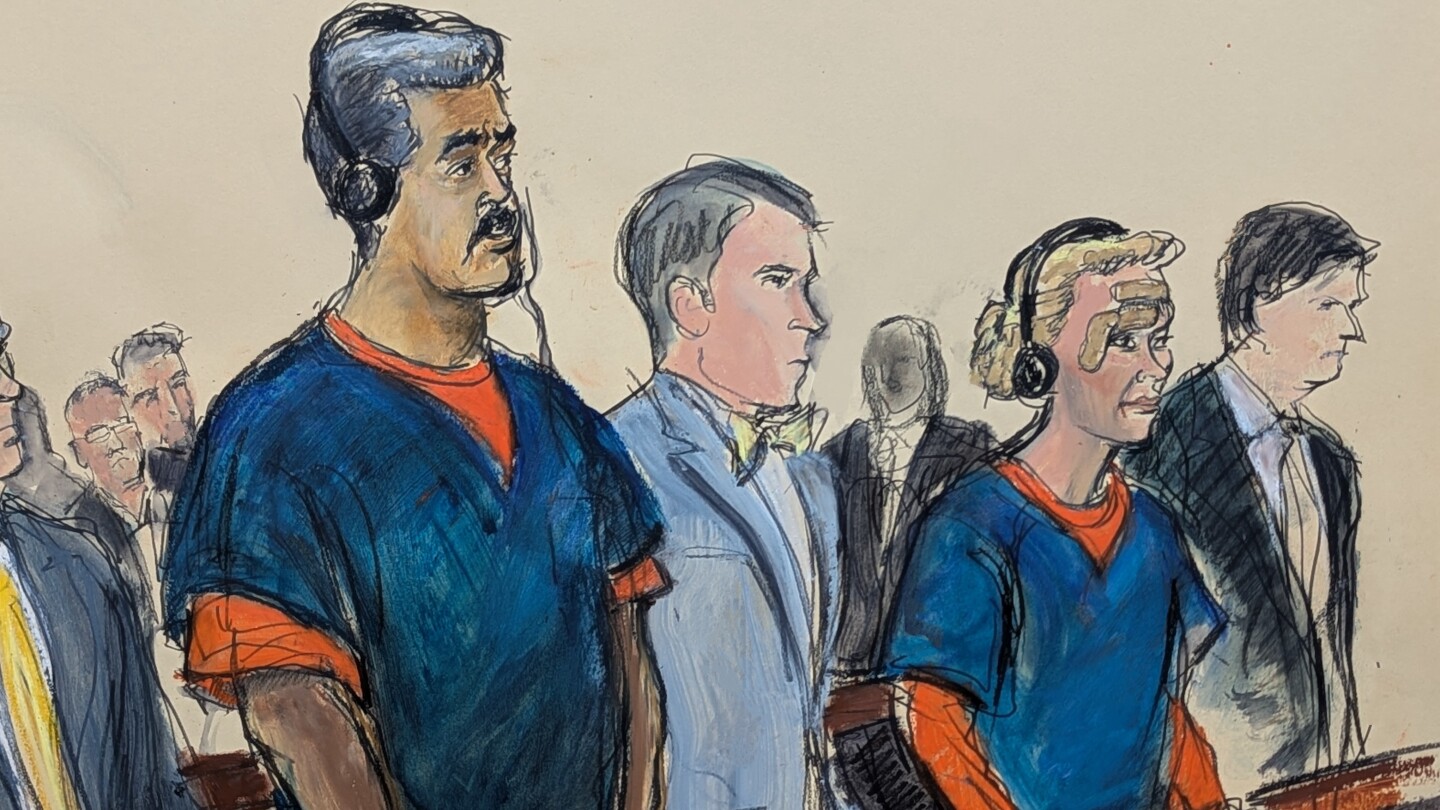
THE HAGUE, Netherlands (AP) — The fragile architecture of global governance, painstakingly constructed from the ashes of two world wars, now faces unprecedented strain following the military extraction of Venezuelan leader Nicolás Maduro. This operation, characterized by U.S. officials as a “surgical law enforcement operation” against narco-terrorism, has triggered profound concerns about the resurgence of power politics overriding international legal frameworks.
U.N. Undersecretary-General Rosemary A. DiCarlo urgently addressed the Security Council, emphasizing that international peace hinges on member states’ adherence to the U.N. Charter. The Trump administration justifies its actions under a controversial doctrine designating Venezuelan drug cartels as “unlawful combatants” with whom the U.S. is in an “armed conflict.”
The operation aligns with Washington’s recently published National Security Strategy prioritizing restoration of “American preeminence in the Western Hemisphere.” This approach has drawn condemnation from global leaders and analysts who fear it establishes dangerous precedents. French Foreign Minister Jean-Noël Barrot warned that violations of the non-use of force principle by Security Council permanent members will have “serious consequences for global security.”
The geopolitical ramifications extend far beyond Venezuela. Russian Ambassador Vasily Nebenzya condemned the action as a return to “lawlessness,” while analysts note parallels with Russia’s aggression in Ukraine. China criticized the operation as a “blatant use of force against a sovereign state,” though experts suggest Beijing is unlikely to replicate such tactics against Taiwan, preferring gradual pressure campaigns.
European nations face particular dilemma, balancing traditional alliances with concerns over eroding international norms. The EU statement acknowledged Maduro’s lack of political legitimacy while insisting U.N. Charter principles must be upheld. Meanwhile, Trump’s speculative comments about Greenland’s strategic importance and confrontational stance toward Iran further complicate transatlantic relations.
Hungarian Prime Minister Viktor Orbán encapsulated the emerging philosophy, dismissing international rules as irrelevant to great powers’ decisions. As nations worldwide assess these developments, the fundamental question remains whether the post-war international order can withstand the accelerating shift toward power-based diplomacy.