In an unusual departure from its typically adversarial relationship with the press, the Trump administration has publicly thanked major news organizations for exercising restraint in reporting sensitive military information. The gratitude follows last weekend’s successful U.S. military operation in Venezuela that resulted in the capture of President Nicolás Maduro.
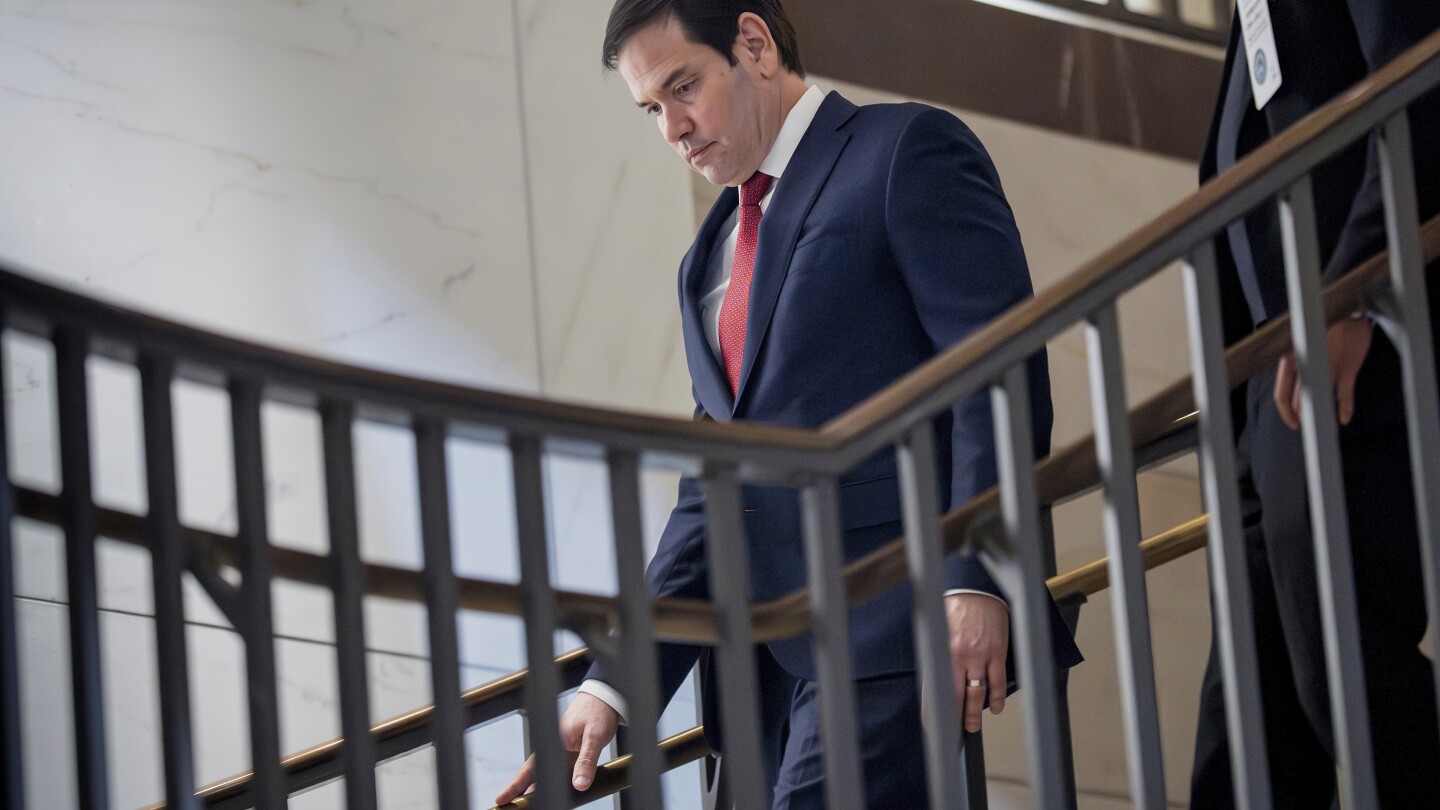
Secretary of State Marco Rubio specifically acknowledged that several prominent media outlets, including The New York Times and The Washington Post, had obtained advance knowledge of the planned strike but deliberately withheld publication to prevent compromising operational security and endangering American lives. This recognition marks a significant moment in the administration’s frequently contentious relationship with the press corps.
The administration’s appreciation emerges against the backdrop of Defense Secretary Pete Hegseth’s implementation of restrictive press regulations at the Pentagon, which have prompted most mainstream news organizations to vacate their assigned positions rather than comply with what they consider excessive constraints. Hegseth has consistently cited concerns about journalists’ handling of classified information as justification for these measures.
According to reports from Semafor, administration officials engaged in direct communications with news organizations regarding the Venezuela operation. Veteran national security reporter Dana Priest, now a professor at the University of Maryland, emphasized that such discretion represents standard practice for reputable news organizations when lives are at stake.
The complex dynamics of national security reporting were further illustrated by incidents such as The Atlantic editor Jeffrey Goldberg’s accidental inclusion in a text chain revealing details about a Yemen operation last spring. Goldberg waited until all personnel were safe and information was verified before publishing.
Historical precedents include President John F. Kennedy’s successful persuasion of The New York Times to withhold information about the Bay of Pigs invasion—a decision later regretted when the mission failed spectacularly. This tension between national security interests and the public’s right to knowledge continues to define the delicate balance media organizations must maintain.
Despite administrative pressures, journalists remain committed to their fundamental mission of informing the public while exercising appropriate judgment regarding operational security, according to Priest, who characterized the Pentagon’s current rules as ‘ridiculously broad censorship.’