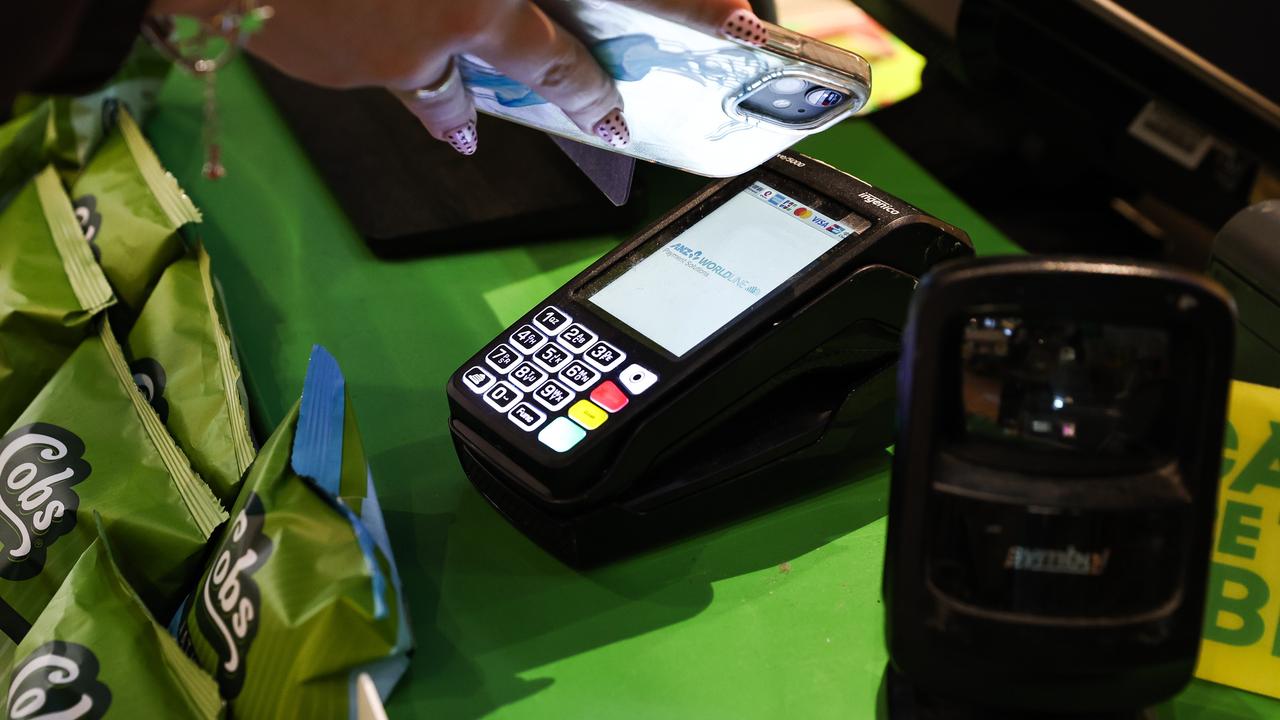
Australian consumers are projected to confront a substantial financial burden in early 2026 as unprecedented holiday spending culminates in what analysts term a “national debt hangover.
According to comprehensive analysis by financial comparison platform Canstar, which examined Reserve Bank of Australia credit card data, shoppers are estimated to have accumulated approximately $86.8 billion in credit card debt throughout November, December, and January. This projection assumes seasonal spending patterns align with previous years’ trends.
The situation appears particularly concerning for January alone, where consumers are expected to add an additional $28.9 billion to their existing credit card balances if recent five-year spending patterns persist.
The compounding effect of interest charges presents a significant challenge to debt reduction efforts. Financial institutions are currently receiving an estimated $9.4 million daily in credit card interest payments from Australian consumers, creating additional barriers to achieving financial stability in the new year.
Canstar’s Data Insights Director Sally Tindall emphasized the urgency for affected consumers: “For those confronting persistent debt, make 2026 the year to regain financial control. Initiate contact with your banking institution to negotiate reduced interest rates or consider transitioning to credit products offering more favorable terms.”
The analysis reveals that credit card debt has consistently increased every January since 2015, indicating a systemic pattern of consumers struggling to clear balances within interest-free periods. This persistent challenge stems partially from consumers either overlooking critical terms and conditions or experiencing difficulty comprehending credit card repayment mechanisms.
Consumers who made purchases on Christmas Eve may face repayment deadlines as early as this week. While most credit cards advertise 44-55 day interest-free periods, the actual repayment window varies significantly depending on individual billing cycle timing. Purchases made on the final day of a billing cycle may allow as little as 13 days for interest-free repayment.
Tindall characterizes the post-Christmas debt phenomenon as “a decade-long certainty” resulting from consumers’ inability to optimize interest-free periods. She recommends practical strategies including utilizing reward points for essential expenses, substituting expensive vacations with local staycations, and generating additional income through selling unused possessions.