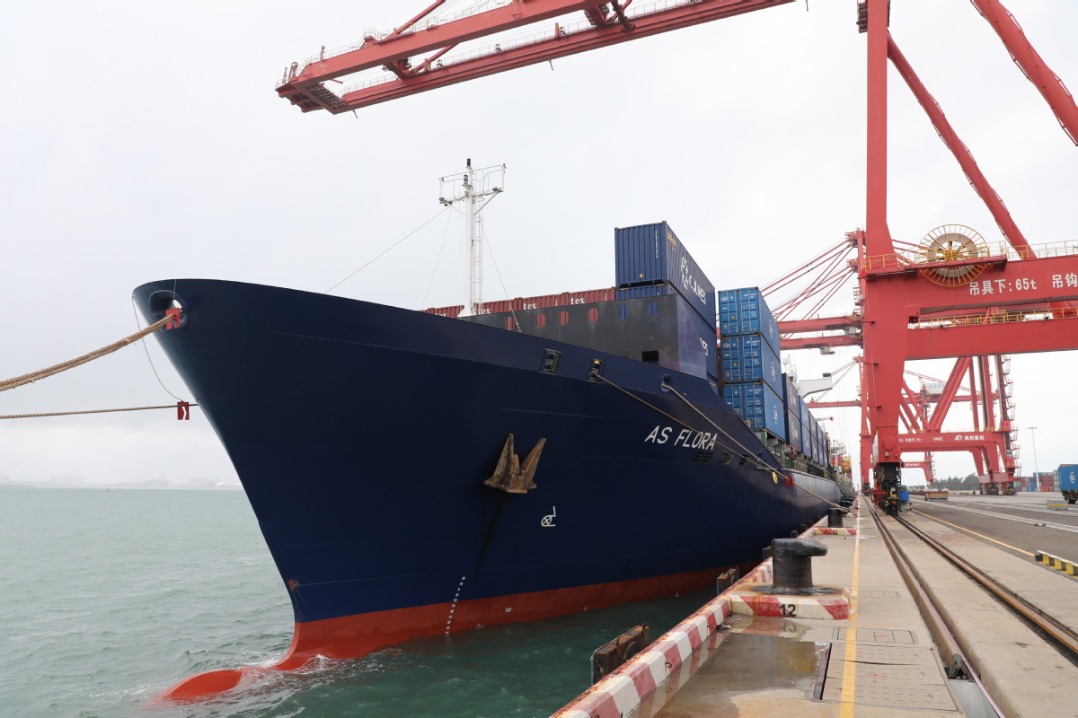
Economic experts across Asia project sustained growth in regional trade throughout 2026, emphasizing that enhanced connectivity and cooperation will be crucial for building economic resilience. This development comes as Asian nations increasingly look inward to strengthen supply chains and reduce dependency on Western markets amid growing trade barriers.
According to Park Chonghoon, Standard Chartered’s head of research in South Korea, the upward trajectory in intraregional trade will persist as supply chain networks continue expanding across Asia. He stressed that deeper integration should extend beyond imports and exports to include consumption of end products, creating more robust regional markets capable of withstanding external trade pressures.
Recent data supports this optimistic outlook. A United Nations Trade and Development report from early December indicates global trade in goods and services is poised to surpass $35 trillion for the first time this year, marking a substantial 7% year-on-year increase. The report highlighted East Asia’s exceptional performance, with exports growing by 9% over the past four quarters and intraregional trade expanding by an impressive 10%.
ING Think, the research division of Dutch bank ING, forecasts Asia’s trade in commercial services to grow 5.5% year-on-year in 2026, outpacing this year’s 4.6% growth rate despite slowing goods trade reducing demand for transport and logistics.
Japan’s Infinity LLC Chief Economist Hidetoshi Tashiro advocates for Asian countries to gradually decrease their reliance on the United States while working toward establishing a comprehensive regional free trade zone. He noted that while US manufacturing declines and export constraints increase, East Asia’s manufacturing sector continues to serve as a fundamental support for the US economy.
Tashiro emphasized the need for the region to conceptually reject external pressure while deepening economic ties to create trust-based systems resilient to outside interference. This perspective finds practical application across various Asian initiatives, including ongoing cooperation among Association of Southeast Asian Nations members and Central Asian countries’ recent agreement to nearly double mutual trade to $20 billion.
Suriyan Vichitlekarn, executive director of the intergovernmental Mekong Institute, echoed these sentiments, noting that escalating global conflicts further underscore the importance of strengthening interdependence among neighboring nations. Representing all six Greater Mekong Subregion countries (Cambodia, China, Laos, Myanmar, Thailand, and Vietnam), Suriyan emphasized that mutual reliance is essential for regional stability.
He specifically highlighted the potential for Thailand and Cambodia to collaborate on building regional resilience once border demarcation issues are resolved. Current tensions have already significantly impacted trade, with Oxford Economics reporting a 66% plunge in Thailand’s deliveries to Cambodia in October, creating a 2.5 percentage point drag on total goods export growth.
Amitendu Palit, senior research fellow at Singapore’s Institute of South Asian Studies, pointed to the successful performance of existing economic frameworks like the Regional Comprehensive Economic Partnership—the world’s largest trade agreement. He anticipates Asian economic integration becoming increasingly issue-based, with regional economies collaborating more extensively on challenges including climate change, digital trade, and enhanced connectivity.