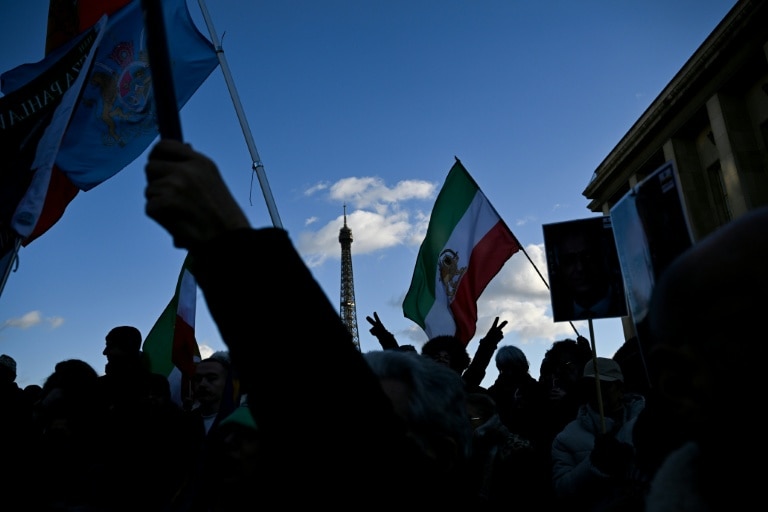
Iran’s judiciary has declared an uncompromising stance against individuals it labels as ‘rioters’ amid sustained nationwide demonstrations, while simultaneously acknowledging citizens’ constitutional rights to peaceful protest. Judicial Chief Gholamhossein Mohseni Ejei issued directives to prosecutors nationwide to enforce legal measures “with resolve” against those allegedly instigating violence, emphasizing zero leniency would be shown.
The unrest, now entering its second week, originated from economic grievances but has progressively incorporated political demands. Initial protests emerged in Tehran on December 28 when merchants staged strikes protesting soaring prices and economic stagnation, subsequently spreading across 23 provinces and affecting at least 45 urban centers according to AFP verifications.
International responses have intensified significantly. United Nations Secretary-General Antonio Guterres has urged Iranian authorities through spokesperson Stephane Dujarric to uphold protesters’ rights to peaceful assembly and prevent further casualties. Concurrently, U.S. President Donald Trump issued a stark warning from Air Force One, stating Iran would face severe consequences if demonstrations turned deadly.
The Iranian government has implemented dual strategies addressing the crisis. Economically, authorities announced direct cash transfers to citizens equivalent to 3.5% of average monthly wages, acknowledging legitimate socioeconomic frustrations. Simultaneously, security forces have intensified operations, with Mizan News Agency reporting weapons seizures from alleged militant hideouts in Tehran.
Media polarization reflects the complexity of the situation. Reformist publication Arman Melli suggested authorities were heeding protesters’ concerns, while conservative outlets Javan and Kayhan accused the United States and Israel of financing destabilization efforts. Iranian foreign ministry spokesman Esmail Baqaei condemned Israel for allegedly exploiting protests to undermine national unity.
Despite official reports of diminishing protest scales from Fars News Agency, social media evidence suggests continued mobilization. The diaspora has intensified solidarity demonstrations globally, with Paris-based protester Sahar Aghakhani declaring incremental progress toward systemic change. Current demonstrations remain smaller than the 2022 Mahsa Amini protests, though analysts note similar patterns of economic discontent evolving into political challenges.