New South Wales Police Commissioner Mal Lanyon is poised to make a pivotal determination regarding the potential extension of Sydney’s controversial protest ban, initially implemented following Christmas Eve legislative changes enacted after the Bondi terror incident. The decision, expected Tuesday, could prolong restrictive measures well into the new year.
The current regulations, granting unprecedented authority to law enforcement, emerged from marathon parliamentary debates that established a 14-day prohibition on all public assemblies following declared terrorist events. This framework permits Commissioner Lanyon to maintain restrictions for up to three months, with provisions denying all police authorization requests during the initial fortnight.
Notably, the legislation expands police capabilities to remove facial coverings from individuals suspected of committing offenses at public gatherings—a power previously reserved for more serious categories of criminal activity.
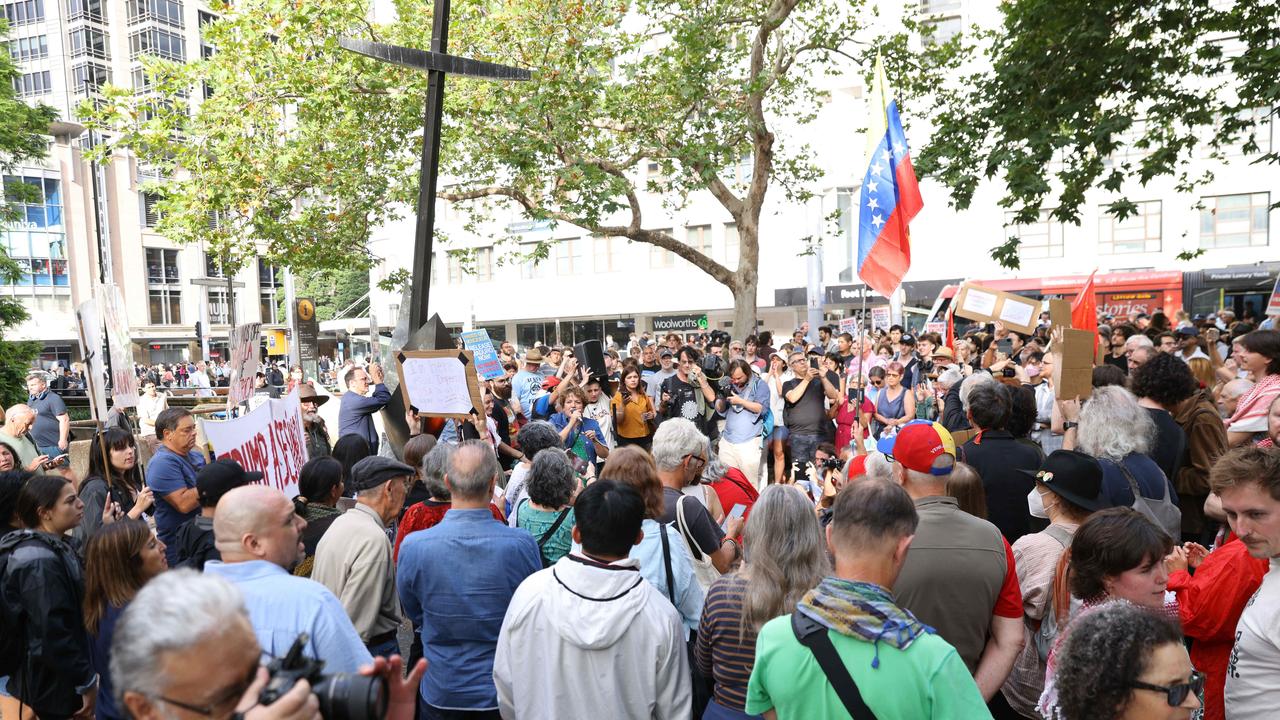
The urgency of Commissioner Lanyon’s decision intensified after approximately 250 demonstrators defied the ban on Sunday, assembling at Sydney’s Town Hall to protest American military actions against Venezuela. Participants displayed placards bearing anti-imperialist messages and modified American flags featuring skull imagery. Counter-protesters numbered around forty according to police accounts.
Law enforcement arrested three individuals during the unauthorized gathering: two men aged 26 and 34 for breach of peace, and a 53-year-old woman allegedly wearing offensive attire. All were released without formal charges following the demonstration’s conclusion.
Commissioner Lanyon previously justified the restrictions by emphasizing their role in preventing community fear and divisiveness, asserting that “NSW Police is committed to exercising these new powers responsibly and transparently.”
However, civil liberties organizations have mounted significant opposition. NSW Council for Civil Liberties president Timothy Roberts condemned the powers as “extremely anti-democratic,” while the Palestine Action Group criticized the measures as undermining fundamental democratic rights. Advocacy groups argue the regulations disproportionately suppress legitimate dissent across various social movements, extending beyond their original counter-terrorism purpose.