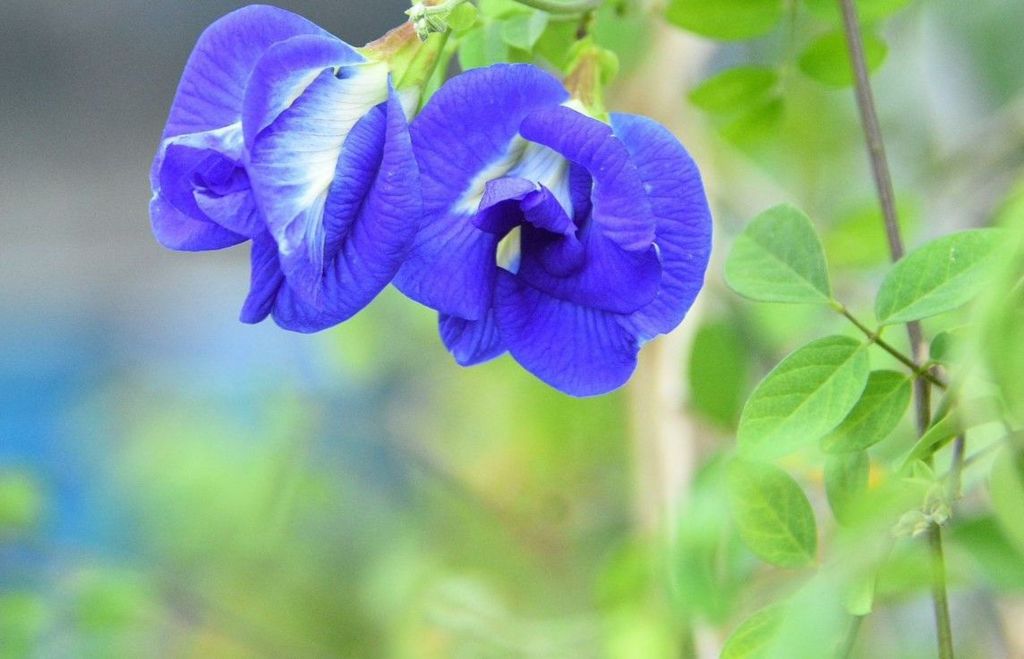
A quiet agricultural revolution is unfolding across rural India as the vibrant blue butterfly pea flower transforms from a common wild vine into a valuable commercial commodity. This botanical species, scientifically known as Clitoria ternatea and locally called aparajita, has become the foundation of an emerging natural dye industry that empowers farmers and entrepreneurs alike.
In the northeastern state of Assam, Nilam Brahma represents this transformation. What began as casual flower harvesting has evolved into a formal enterprise. ‘My initial earnings of $50 from dried flowers delivered an electric shock of possibility,’ Brahma recounts. Her subsequent investment in solar drying technology enabled quality preservation and business expansion, demonstrating how traditional knowledge can merge with modern agricultural practices.
This botanical renaissance responds to growing international demand for natural colorants. Varshika Reddy, founder of THS Impex export company, observes: ‘The global appetite for natural ingredients is exploding, driven by regulatory shifts and consumer preferences.’ The 2021 FDA approval of butterfly pea as a food additive in the United States created significant market opportunity, though European authorities maintain caution regarding its novel food status.
Despite regulatory variations, Indian entrepreneurs recognize the flower’s potential. Nitesh Singh, founder of Blue Tea near Delhi, describes his seven-year journey developing supply chains: ‘Initially, we imported superior varieties because domestic flowers lacked sufficient pigment retention.’ Through persistent farmer education and quality control implementation, Singh now collaborates with 600 growers nationwide.
The production process reveals why this crop particularly benefits rural women. Singh explains: ‘Women possess naturally softer hands and intuitive understanding of delicate harvesting techniques.’ Their dominance in flower plucking creates meaningful employment opportunities in agricultural communities.
Post-harvest handling requires precise temperature control during drying. ‘One error destroys both medicinal properties and color value,’ Singh emphasizes. The technical complexity necessitates close collaboration between farmers and processing experts.
Emerging research suggests potential health benefits that could further boost market prospects. Dr. V Supriya of Sri Ramachandra Institute reports promising findings: ‘Our preliminary study on pre-diabetic subjects showed improved sugar control with butterfly pea consumption.’ While acknowledging need for more comprehensive human trials, researchers note the flower’s rich antioxidant properties.
West Bengal farmer Pushpal Biswas exemplifies the crop’s transformative impact: ‘From struggling with traditional crops, I’ve expanded my land holdings through butterfly pea cultivation.’ His production increased 60% using scientific methods, creating ripple effects through local economies. ‘This has evolved beyond farming into a community business network,’ Biswas concludes.
The butterfly pea’s journey from backyard ornamental to commercial commodity demonstrates how global trends in natural products can create sustainable livelihoods while preserving agricultural heritage.