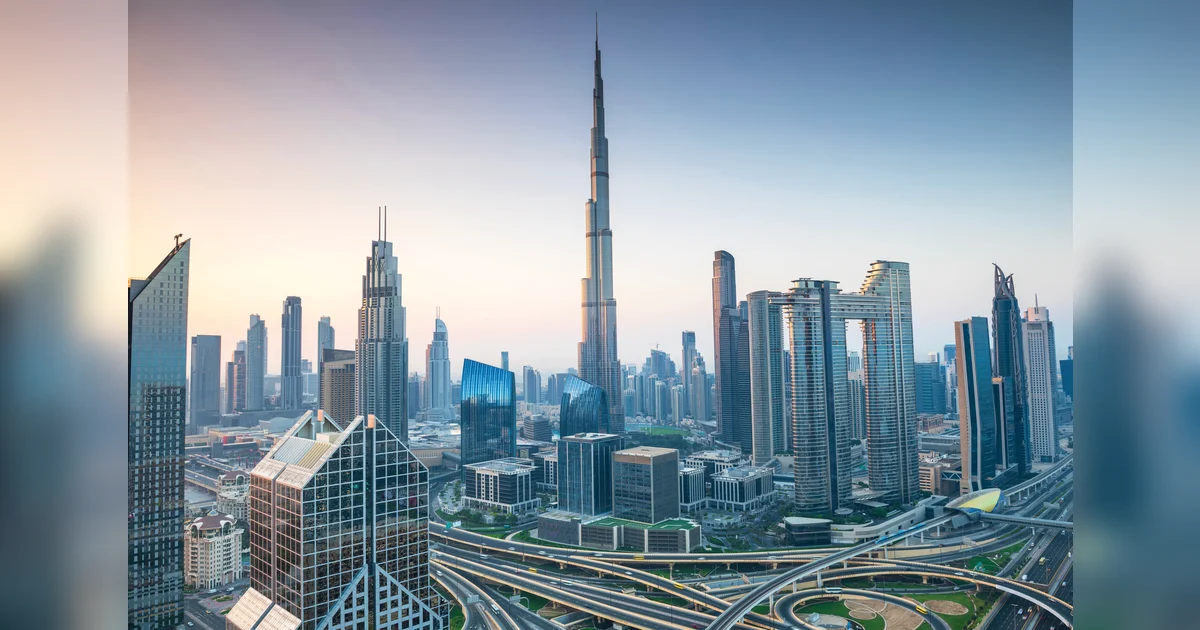
As Dubai commemorates the 20-year leadership tenure of His Highness Sheikh Mohammed bin Rashid Al Maktoum as Ruler of Dubai and UAE Vice-President and Prime Minister, the emirate’s extraordinary governance transformation offers a compelling case study in strategic modernization. Since 2006, Dubai has evolved from a regional trading center into a globally recognized paradigm of agile, citizen-centric governance that balances technological innovation with human-centered development.
The Dubai model distinguishes itself through its systematic institutional redesign prioritizing operational efficiency, transparency, and quality of service delivery. Public institutions have been fundamentally reengineered to serve citizens and businesses with unprecedented speed and accountability, creating governance systems now studied internationally as proven operational frameworks rather than theoretical concepts.
Technological integration formed a cornerstone of this transformation, with the UAE embedding digital infrastructure into public services long before it became a global priority. From pioneering e-government initiatives to contemporary artificial intelligence applications in policy design and infrastructure resilience, innovation has become institutionalized while maintaining trust and responsibility as core principles.
Beyond technological advancement, Dubai’s holistic approach emphasizes cultural development through institutions like the Museum of the Future and Louvre Abu Dhabi, recognizing cultural capital as essential to national progress. Concurrently, comprehensive social initiatives addressing family welfare, elderly care, and population development ensure inclusive advancement.
Economically, Dubai’s forward-looking regulatory environment has attracted global enterprises while nurturing homegrown businesses and startups, creating a diversified, non-oil growth model that enhances economic resilience and accessibility.
The UAE’s global talent attraction strategy, facilitated through long-term residency pathways and world-class education ecosystems, has established the nation as a stable environment for building complete lives rather than just careers. This stability has emerged as a strategic asset in an increasingly volatile global landscape.
Internationally, the UAE has extended its leadership through platforms like the World Government Summit while demonstrating humanitarian commitment through crisis response and aid initiatives. Guided by a clear vision extending to the UAE Centennial 2071, the nation has established a roadmap anchored in sustainability, innovation, and societal wellbeing that ensures cumulative rather than episodic progress.
According to Deloitte Middle East partners Muhannad Tayem and Shargil Ahmad, whose organization marks its centennial in the region this year, Dubai’s transformation demonstrates that enduring change requires partnership between bold leadership and disciplined execution. As Dubai progresses toward its next developmental chapter, its governance model provides a blueprint for future-ready administration worldwide.