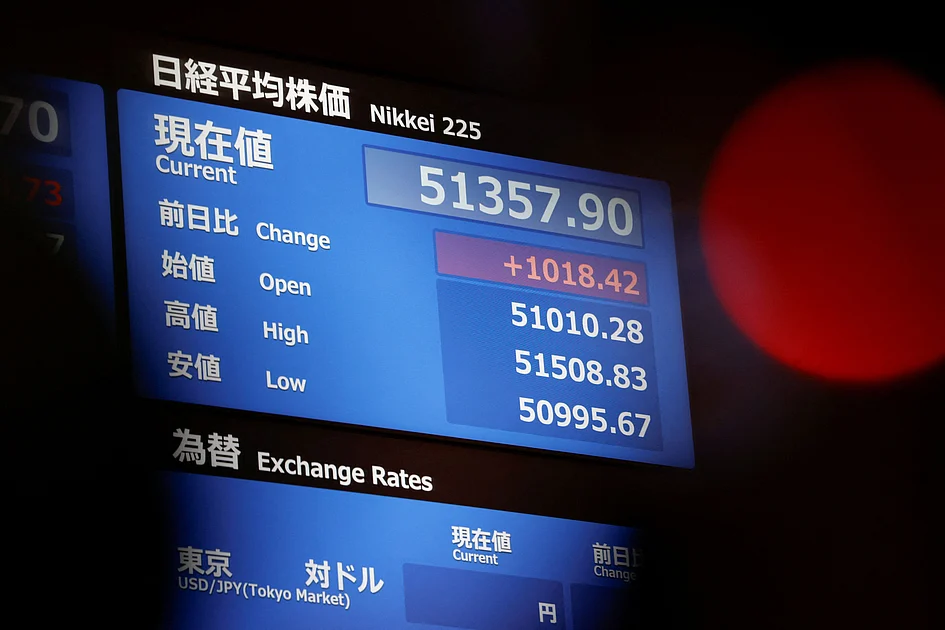
Financial markets are navigating a complex landscape of geopolitical uncertainty following the unprecedented U.S. military intervention in Venezuela that resulted in the capture of President Nicolas Maduro. While initial market reactions remained remarkably subdued, analysts warn that investors might be underestimating the broader implications of President Trump’s aggressive foreign policy shift across Latin America.
The relative market calmness following Maduro’s capture stems primarily from Venezuela’s diminished role in global oil markets, with current production representing a negligible portion of worldwide output. Energy analysts note that restoring Venezuela’s oil industry would require substantial investment and several years of development, limiting immediate impact on global energy supplies.
However, the strategic implications extend far beyond oil markets. Trump’s subsequent threats toward five additional countries within a 72-hour period—including Colombia and Mexico—signal a fundamental transformation in U.S. foreign policy approach. This represents the most direct military intervention in Latin America since the 1989 invasion of Panama, marking a dramatic escalation in geopolitical risk assessment.
Market strategists observe that while defense sector stocks are likely to benefit from increased military spending expectations, the U.S. dollar’s status as a safe-haven currency faces challenges amid heightened policy uncertainty. The dollar index, coming off its worst annual performance since 2017, showed only modest strengthening despite the geopolitical developments.
The Venezuela intervention has prompted serious concerns among international investors regarding potential parallel actions toward China’s stance on Taiwan and possible regime change initiatives in Iran. Nevertheless, regional analysts note that current circumstances differ significantly, with no immediate indications of comparable escalation patterns in Asian geopolitical tensions.
Investment experts suggest that markets have gradually adapted to geopolitical volatility as a persistent feature rather than an exceptional circumstance. The focus remains on fundamental drivers including interest rates, corporate earnings, and portfolio positioning, unless supply chain disruptions emerge from broader regional instability.
This event represents the first significant geopolitical test for financial markets in 2026, following a year characterized by substantial gains despite ongoing trade tensions, central bank policy uncertainties, and simmering international conflicts.