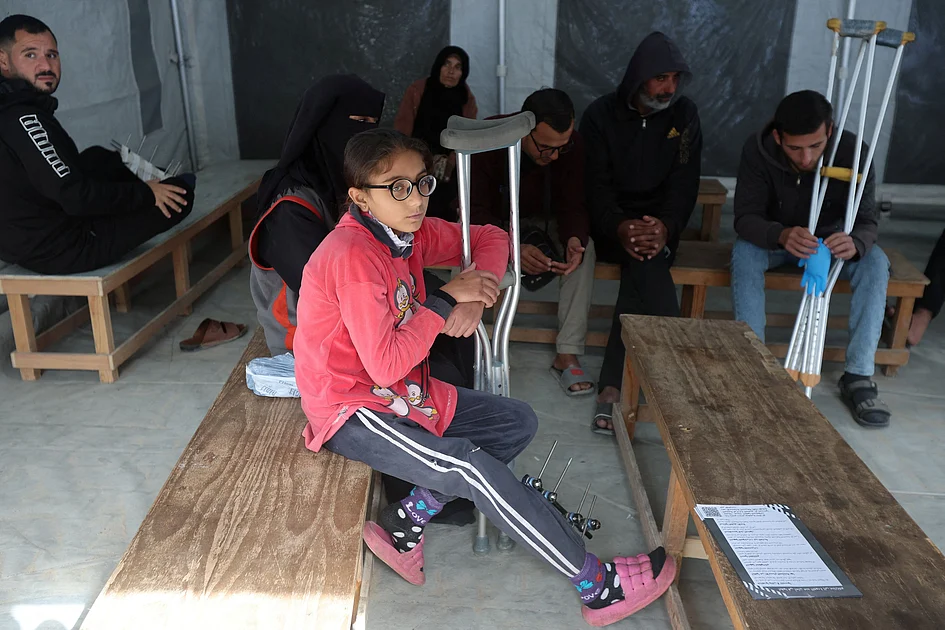
Israeli authorities have formally advocated for the continuation of a ban prohibiting international media from independently entering Gaza, according to a government submission to the Supreme Court. The document, filed by the public prosecutor and obtained by AFP, argues that unrestricted journalist access poses unacceptable security risks, a stance supported by the nation’s defense establishment.
The policy, instituted following the October 2023 outbreak of war triggered by a Hamas attack on Israel, has prevented foreign reporters from freely documenting conditions within the devastated territory. Currently, Israel permits only a limited number of journalists to enter on a strictly case-by-case basis, requiring them to be embedded with military escorts.
This access restriction prompted legal challenge from the Foreign Press Association (FPA), which represents hundreds of international journalists operating in Israel and the Palestinian territories. The FPA filed a petition in 2024 demanding immediate and unhindered media access to Gaza. The Supreme Court has granted multiple extensions for the government to formulate a plan, with a final deadline set for January 4 after a hearing last month.
In its Sunday filing, the government contended that the precarious security situation justifies the ongoing ban. Officials highlighted that the ceasefire, enacted on October 10, remains fragile and is regularly threatened. Supporting this claim, Gaza’s health ministry reports that at least 420 Palestinians have been killed by Israeli forces since the truce began. Conversely, the Israeli military states that three of its soldiers have been killed by militants in the same period.
A further complication cited is the ongoing operation to recover the remains of Ran Gvili, the last hostage still in Gaza. Gvili was killed during the initial Hamas attack, and his body was taken into the territory. While all other 250 hostages seized that day have been returned, the government submission suggests that allowing journalists free movement could potentially disrupt the sensitive search operation.
The Supreme Court is now expected to deliberate on the matter, though a timeline for its final ruling remains uncertain.