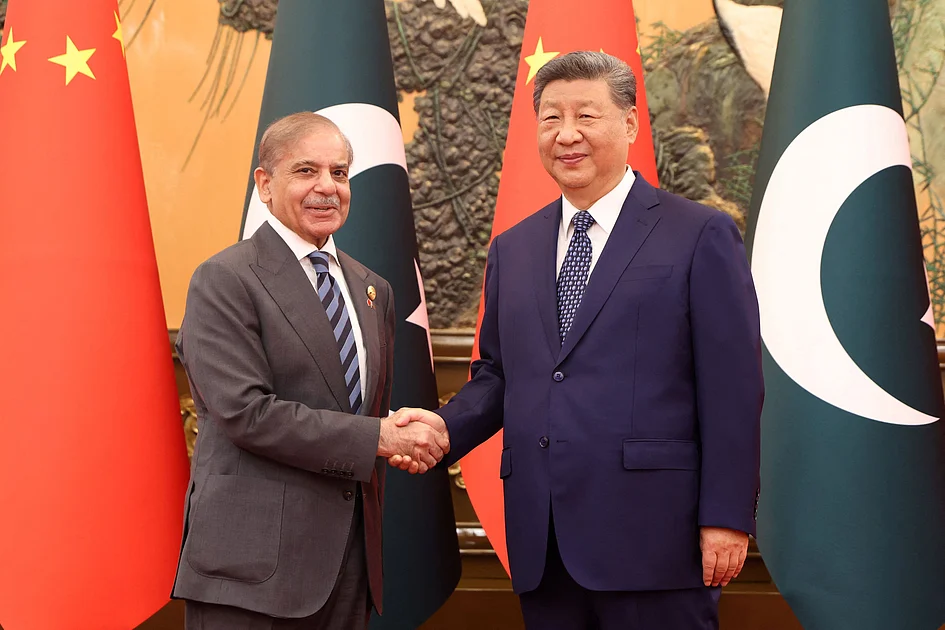
In a significant diplomatic development, China and Pakistan have jointly reaffirmed their strategic partnership during high-level talks in Beijing on Monday, January 5, 2026. The meeting between Chinese Foreign Minister Wang Yi and his Pakistani counterpart Ishaq Dar produced substantial commitments to enhance bilateral cooperation across multiple sectors, including industry, agriculture, and mining.
The discussions yielded plans to develop an upgraded version of the China-Pakistan Economic Corridor (CPEC), the flagship project of China’s Belt and Road Initiative that has already channeled billions of Chinese investment into Pakistan’s infrastructure. Both nations emphasized strengthened collaboration in financial and banking sectors as part of their comprehensive economic partnership.
Notably, China publicly commended Pakistan’s “comprehensive measures” to ensure the security of Chinese personnel and projects within its territory. This acknowledgment comes amid persistent security challenges, including repeated militant attacks targeting Chinese nationals working on CPEC-related projects that have strained relations in recent years.
The reaffirmation of Sino-Pakistani ties occurs against the backdrop of improving relations between Pakistan and the United States since President Donald Trump’s return to office. The Trump administration has demonstrated renewed engagement with Islamabad, including the release of $397 million for a US-backed program monitoring Pakistan’s use of F-16 fighter jets in counter-terrorism operations, despite a global freeze on foreign aid.
Both China and Pakistan called for “visible and verifiable actions” to dismantle terrorist organizations operating in Afghanistan, which borders both nations. However, the joint statement provided no specific details regarding proposed measures.
Pakistan maintains its unique status as one of China’s few designated “all-weather strategic partners,” a relationship dating back decades that has seen Islamabad consistently support Beijing on sensitive international issues including Taiwan, Xinjiang, Tibet, Hong Kong, and the South China Sea.