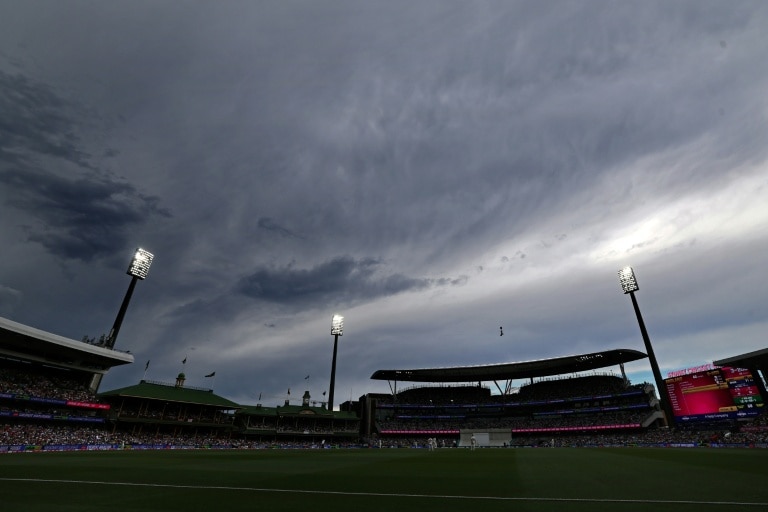
Cricket Australia Chief Executive Todd Greenberg has launched a vehement critique against what he describes as ‘archaic’ bad light regulations following significant play disruptions during the fifth Ashes Test in Sydney. The controversial incident occurred when nearly a third of the opening day’s play was abandoned due to fading light conditions, gentle precipitation, and lightning safety protocols, despite the presence of approximately 50,000 spectators at Sydney Cricket Ground and millions watching globally.
The match was suspended just 15 minutes before the scheduled tea break on Sunday, with officials ultimately calling stumps a full hour ahead of schedule at 5:00 PM, resulting in the complete cancellation of the entire third session. Greenberg expressed particular frustration during a SEN radio interview, emphasizing the sport’s need to adapt to modern expectations while utilizing available technology and infrastructure.
Current International Cricket Council regulations mandate that play cannot resume if umpires determine light conditions to be ‘dangerous or unreasonable,’ with additional restrictions requiring a minimum 30-minute delay following lightning detection in the vicinity. These protocols drew confusion from spectators as play remained suspended despite improving weather conditions.
While acknowledging he lacks immediate solutions, Greenberg emphasized cricket’s position in the entertainment industry and the necessity for progressive thinking regarding traditional rules. His comments found support from former England captain Michael Vaughan, who simultaneously criticized the divergent approaches between Test cricket and limited-overs formats, noting that T20 matches frequently continue under similar conditions that halt Test matches.
Both executives called for a fundamental shift in mindset among cricket’s governing bodies and match officials to prioritize fan experience and match continuity through more flexible implementation of weather-related regulations.