Medical sources report that a devastating series of attacks across Sudan’s western Darfur region has resulted in 114 fatalities over the past week, marking a significant escalation in the country’s ongoing civil conflict. The violence, involving both the national army and the paramilitary Rapid Support Forces (RSF), has targeted civilian areas with devastating consequences.
In the North Darfur town of Al-Zuruq, drone strikes attributed to the army killed 51 people on Saturday, hitting a local market and residential zones. The area, under RSF control, is notably home to family members of RSF commander Mohamed Hamdan Daglo, with two relatives confirmed among the dead.
Simultaneously, RSF fighters advancing toward the Chad border killed 63 people in and around the town of Kernoi, according to medical personnel who spoke anonymously for security reasons. An additional 57 individuals sustained injuries, while 17 remain missing following these assaults.
The Darfur region remains largely inaccessible to journalists due to a years-long communications blackout, forcing local volunteers and medical staff to rely on satellite internet to convey information to the outside world. The United Nations reports that over 7,000 people were displaced from Kernoi and the adjacent village of Um Baru in just two days last month, many belonging to the Zaghawa ethnic group specifically targeted by RSF forces.
This resurgence of violence evokes traumatic memories of the mass ethnic atrocities committed in Darfur during the 2000s by the Janjaweed militia, the RSF’s predecessor organization. The conflict has now expanded into Kordofan, Sudan’s oil-rich southern region that connects Darfur to the capital Khartoum.
In North Kordofan’s capital El-Obeid, drone strikes targeted the city’s power station, causing extensive fires in machinery buildings and triggering a complete blackout in the army-controlled urban center. The national electricity company confirmed the attack disrupted the entire electricity supply system.
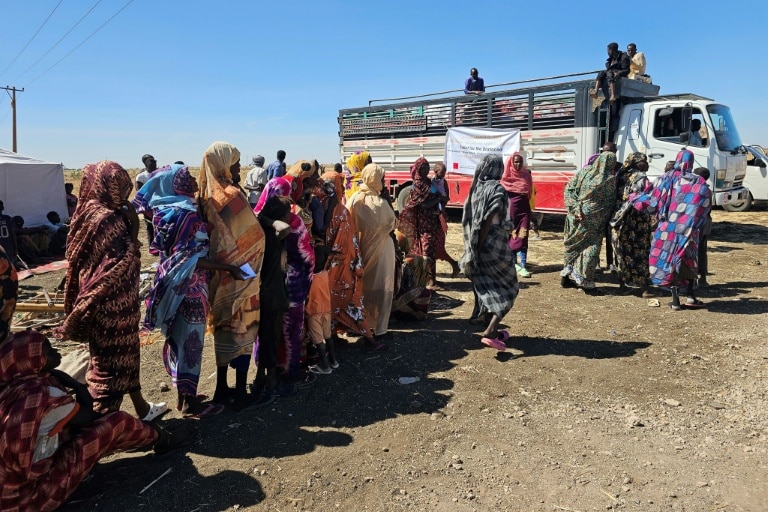
The humanitarian situation continues to deteriorate dramatically, with hundreds of thousands facing starvation across the region. According to UN estimates, the war has displaced more than 11 million people both internally and across Sudan’s borders, with many refugees seeking shelter in underdeveloped areas lacking basic nutrition, medicine, and clean water.