Iran has entered a critical phase of civil unrest as nationwide protests triggered by economic grievances continue into their second consecutive week. According to documentation by international human rights organizations, fresh violent confrontations erupted over the weekend between demonstrators and state security forces across multiple provinces.
The protest movement, initially catalyzed by merchant strikes in Tehran’s historic bazaar on December 28, has now expanded to affect at least 40 urban centers across 23 of Iran’s 31 provinces. Current estimates indicate a minimum of 12 fatalities, including both protesters and security personnel, since the demonstrations began.
Significant unrest has been documented in western regions with substantial Kurdish and Lor minority populations. The Norway-based Hengaw rights organization reported Revolutionary Guards opening fire on protesters in Ilam province’s Malekshahi county on Saturday, resulting in four confirmed deaths among the Kurdish minority. Parallel reports from Iran Human Rights NGO corroborated these figures while indicating approximately 30 additional casualties.
Verified footage circulated by monitoring groups shows disturbing images of bloodied casualties and aggressive security responses. Iranian state media has presented alternative narratives, with Fars news agency characterizing events as ‘riot suppression’ and reporting two assailants killed during attempted police station stormings.
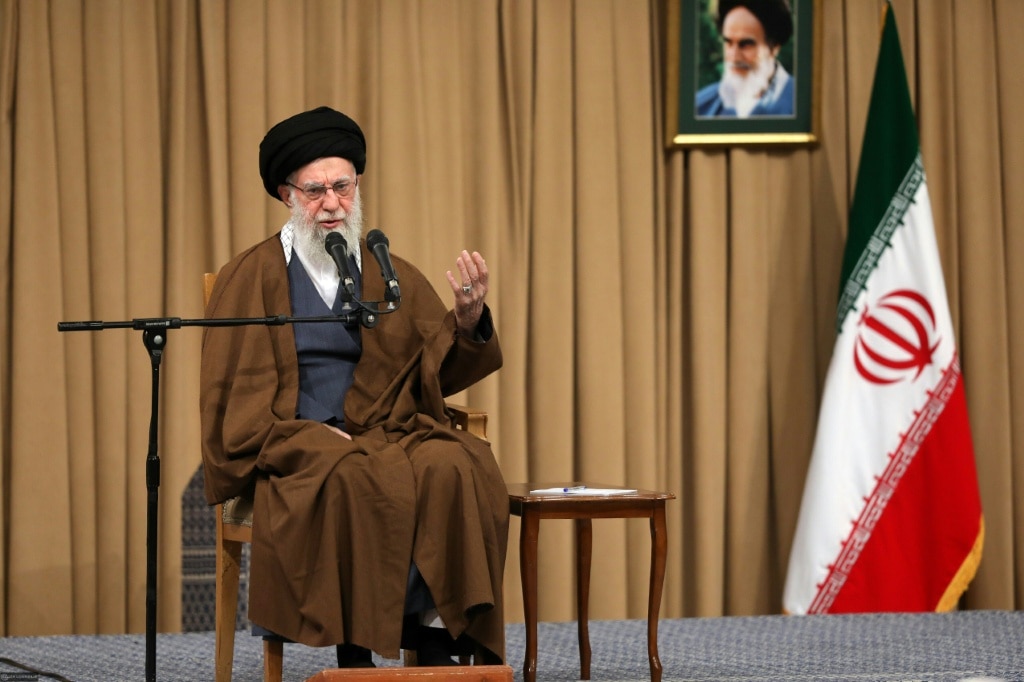
This represents the most substantial challenge to Tehran’s authority since the 2022-2023 Mahsa Amini protests, though current demonstrations haven’t yet achieved comparable scale. The unrest presents particular concerns for Supreme Leader Ayatollah Ali Khamenei’s administration, coming shortly after June’s direct military exchanges with Israel that damaged nuclear infrastructure.
International responses have emerged alongside the escalating domestic situation. United Nations special rapporteur Mai Sato warned against repeating the violent suppression witnessed during previous protests. The United States issued statements through former President Trump suggesting readiness to respond if protesters are harmed, while Israeli Prime Minister Netanyahu expressed solidarity with Iranian demonstrators.
Tehran has responded to international comments with defiance, with Foreign Minister Abbas Araghchi labeling external statements as ‘reckless’ and emphasizing military readiness against potential intervention. Domestically, officials have acknowledged economic concerns while simultaneously warning against destabilization, reflecting the government’s attempt to balance conciliation with control.