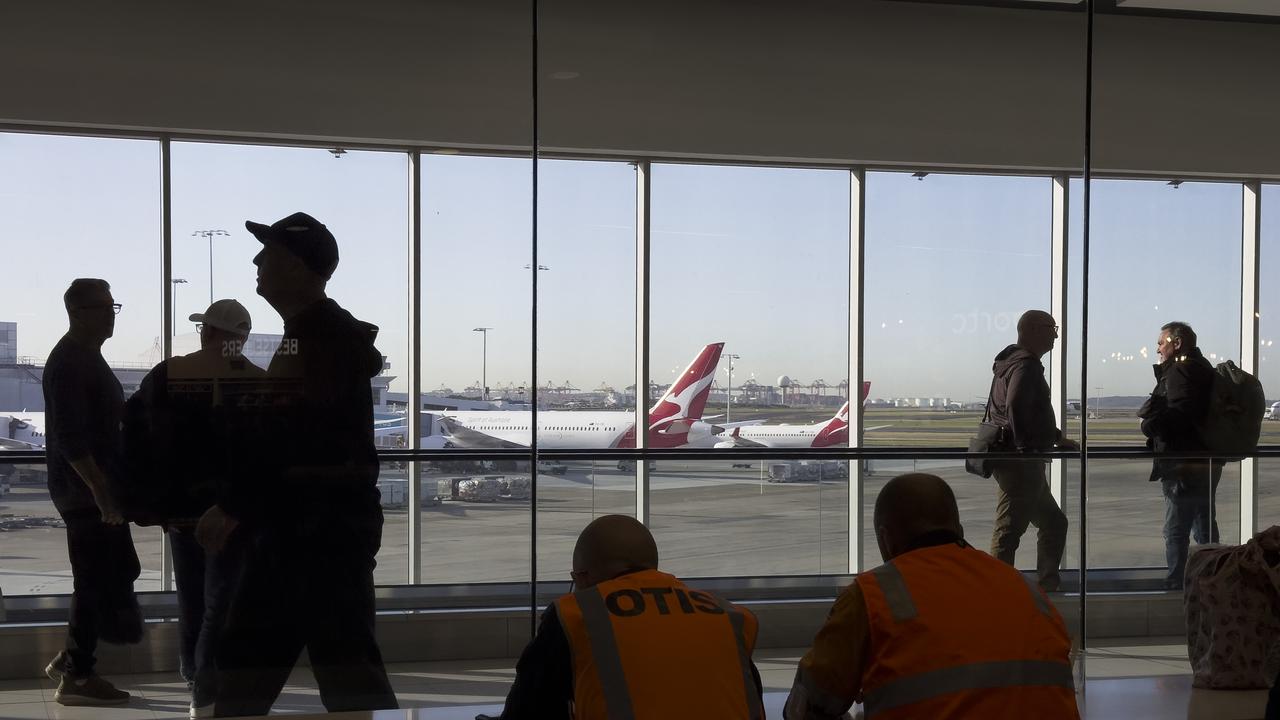
Health authorities in New South Wales have issued a renewed public health alert following the confirmation of a third measles case in the state, linked to travelers returning from Southeast Asia. The latest exposure sites include Sydney Airport’s domestic Terminal 3 Qantas arrival hall and a specific interstate flight, significantly expanding the list of potential public exposure venues.
NSW Health has identified specific exposure windows, urging individuals present at the Terminal 3 domestic arrivals area between 10:30 PM and 11:00 PM on December 29 to monitor for symptoms. Passengers aboard Qantas flight QF748 from Adelaide to Sydney arriving during that same period have also been alerted. Additionally, visitors to Concord Repatriation General Hospital’s Emergency Department between 1:00 PM and 4:10 PM on January 3 are considered at potential risk.
This development brings the total number of identified exposure locations across NSW to more than 50, spanning from December 3 to January 3. The list includes various restaurants, train services, Woolworths supermarkets in eastern and northern Sydney, multiple healthcare facilities, Sydney Airport’s international terminal, and a children’s play area.
Health officials emphasize that while there is no continuing risk of exposure at any identified sites, individuals who visited these locations during specified times should remain vigilant for symptoms until January 16 for airport exposures and January 21 for the hospital exposure.
Measles, a highly contagious vaccine-preventable disease, spreads through airborne transmission when infected individuals cough or sneeze. Initial symptoms typically appear approximately 10 days after exposure and often resemble influenza, including fever, fatigue, cough, runny nose, and red, sore eyes. A distinctive rash usually develops within several days. Approximately one-third of infected individuals experience complications that may require hospitalization, including pneumonia, diarrhea, and ear infections. In severe cases, measles can lead to serious illness or death.
Dr. Conrad Moreira, Acting Director of Public Health for Western Sydney Local Health District, emphasized the importance of vaccination: ‘The measles vaccine can prevent the disease even after exposure if administered promptly. This situation serves as a critical reminder for all residents to verify their vaccination status, particularly before international travel.’
Health authorities specifically recommend that anyone born after 1965 ensure they have received two doses of the measles vaccine. The measles-mumps-rubella (MMR) vaccine is available for children as young as six months traveling overseas and is routinely administered to children aged 12-18 months. The vaccine is provided free of charge in NSW for eligible individuals born after 1965 who haven’t previously received two doses.
The recent cases have been linked to travel to Southeast Asian destinations currently experiencing measles outbreaks, including Indonesia (Bali), Vietnam, Thailand, and the Philippines – all popular vacation spots for Australian tourists.