South Korea convened an urgent national security council session on Sunday morning following confirmation that North Korea had launched multiple ballistic missiles toward the Sea of Japan. The projectiles were fired from Pyongyang’s vicinity at approximately 7:50 AM local time, marking Pyongyang’s first weapons test in two months.
The strategic timing coincides with South Korean President Lee Jae Myung’s commencement of a state visit to China, where discussions regarding Korean Peninsula stability were slated to dominate the diplomatic agenda. South Korea’s Joint Chiefs of Staff immediately enhanced surveillance protocols and maintained heightened vigilance against potential additional launches, while coordinating intelligence sharing with United States and Japanese counterparts.
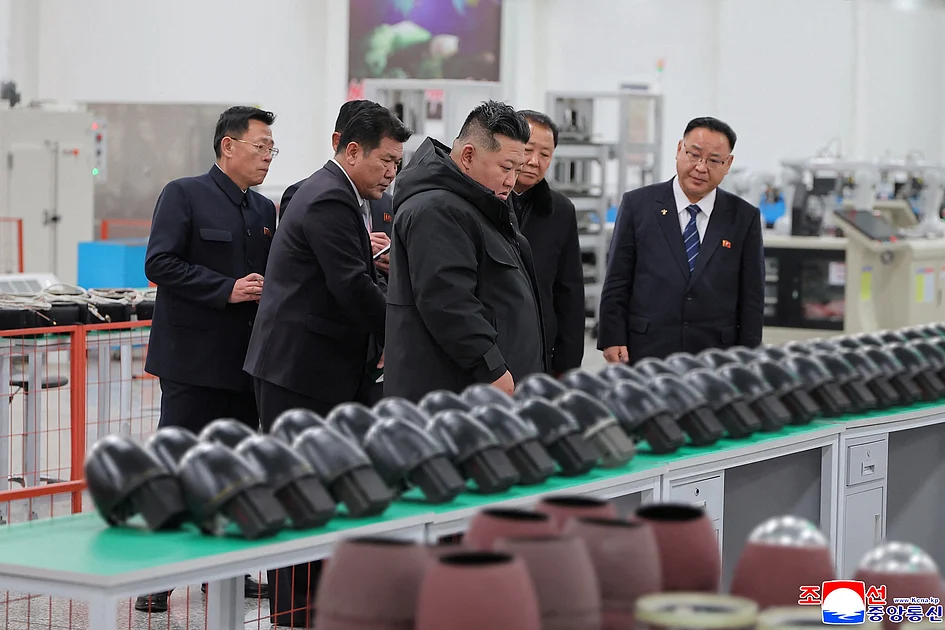
Japanese defense authorities confirmed the missiles had landed in offshore waters without impacting territorial boundaries. This demonstration of military capability follows North Korean leader Kim Jong Un’s recent directive to dramatically expand tactical weapons production capacity during his Saturday inspection of munitions facilities. Kim has conducted an extensive tour of weapons manufacturing sites and nuclear submarine installations in recent weeks, with all developments strategically timed ahead of the Workers’ Party’s Ninth Party Congress where critical policy objectives will be established.
The geopolitical implications are particularly significant given President Lee’s concurrent meetings with Chinese President Xi Jinping. Security advisor Wi Sung-lac indicated Seoul’s expectations for Beijing to assume an active role in fostering regional peace, though specific agenda details remained undisclosed. Regional analysts suggest Lee’s diplomatic mission aims to enlist China as intermediary for renewed dialogue with North Korea, despite Pyongyang’s previous dismissals of Seoul’s overtures.