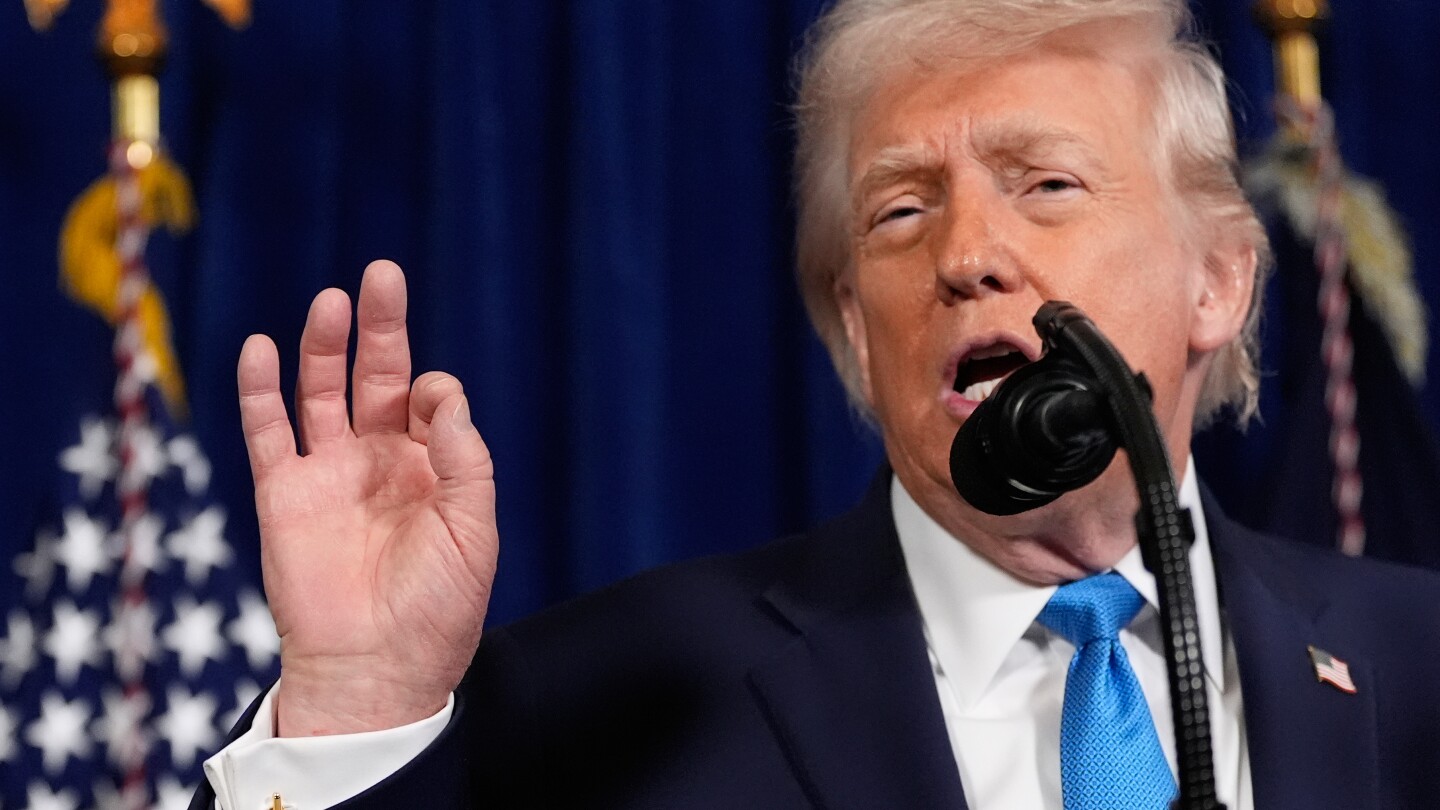
During an extended press briefing addressing the controversial U.S. military operation targeting Venezuelan leadership, President Donald Trump made several statistically questionable assertions regarding both the Venezuela raid and domestic National Guard deployments.
Regarding the Venezuela maritime intervention, Trump asserted that each drug vessel neutralized by U.S. forces “kills on average 25,000 people” and that eliminating these vessels saves equivalent American lives. However, official data from the CDC’s National Vital Statistics System reveals that annual drug overdose fatalities reached approximately 76,516 during the 12-month period ending April 2025—already representing a 24.5% decrease from previous figures. Given that U.S. forces have engaged 35 vessels since operations commenced in September, Trump’s calculation would suggest 875,000 lives saved—a figure dramatically exceeding actual overdose mortality rates.
Furthermore, operational analysis indicates these maritime strikes primarily target Caribbean routes, while the predominant opioid threat—fentanyl responsible for 65.1% of overdose deaths—typically enters via land routes from Mexico using Chinese and Indian precursor chemicals.
On domestic security, Trump incorrectly claimed Washington D.C. had experienced no homicides “in six, seven months” following National Guard deployment. Metropolitan Police Department statistics document 59 homicides during this period, including a November terrorist attack that killed one National Guard member and injured another. While homicides decreased from 2024’s 126 to 97 in 2025, 29 occurred after the August deployment.
Regarding Chicago and Los Angeles deployments, Trump asserted crime reduction successes despite legal constraints that prevented street deployment in Chicago. In Los Angeles, initial deployments of 4,000 Guard members and 700 Marines were gradually reduced to several hundred before court orders mandated returning control to California Governor Gavin Newsom, culminating in the Ninth Circuit’s Wednesday ruling demanding administration compliance.