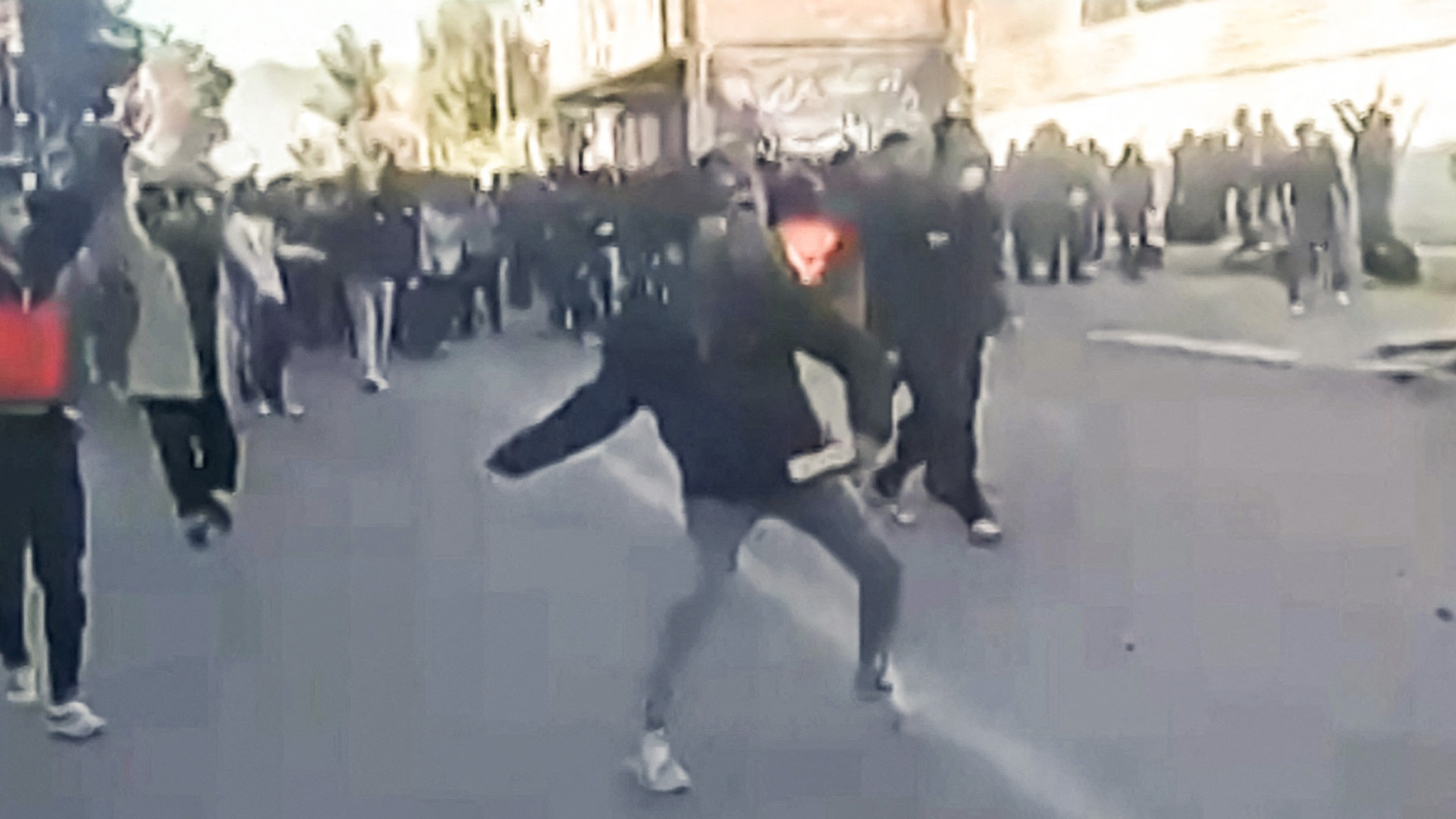
Iran has been plunged into a state of escalating civil unrest as merchant strikes originating in Tehran’s historic Grand Bazaar have rapidly transformed into nationwide protests, resulting in violent confrontations with security forces and multiple casualties.
The initial demonstrations emerged Sunday in central Tehran near key commercial districts, quickly spreading to over thirty urban centers. The protests have claimed at least seven lives with dozens injured, marking a significant escalation from economic discontent to broader political opposition against the ruling authorities.
Economic instability served as the primary catalyst, with the Iranian rial experiencing catastrophic devaluation. The currency has plummeted from approximately 55,000 rials to the US dollar in 2018 to a staggering 1.45 million rials currently—a decline accelerated by recent regional conflicts, international sanctions targeting Iran’s energy exports, and widespread banking restrictions.
Additional economic pressures include the government’s introduction of a three-tiered gasoline pricing system and a proposed budget increasing taxes on businesses while projecting reduced oil revenues. These measures exacerbated existing frustrations over inflation and economic management.
Tehran’s bazaar merchants, historically influential in Iranian politics, initiated the strikes in a tradition dating back to the Constitutional Revolution of 1905-1911. Their actions created political space for broader public participation, with protests particularly concentrated in western and southwestern regions home to ethnic minorities.
The government response has included economic concessions such as tax breaks and subsidized currency access, the resignation of Central Bank governor Mohammad Reza Farzin, and the shutdown of state offices under the pretext of weather conditions. Universities have transitioned to online instruction to prevent campus gatherings.
Despite these measures, demonstrations have continued with significant violence reported in cities including Kuhdasht and Azna. The situation has drawn international attention, with former US President Donald Trump threatening intervention if protesters are harmed—a statement Iranian authorities have characterized as foreign interference.
Security forces including riot police and Basij paramilitary units maintain heavy deployment across multiple cities, with pro-government media accusing protesters of acting as foreign pawns. The unrest echoes previous anti-government movements while demonstrating distinct geographical patterns of resistance outside the capital.