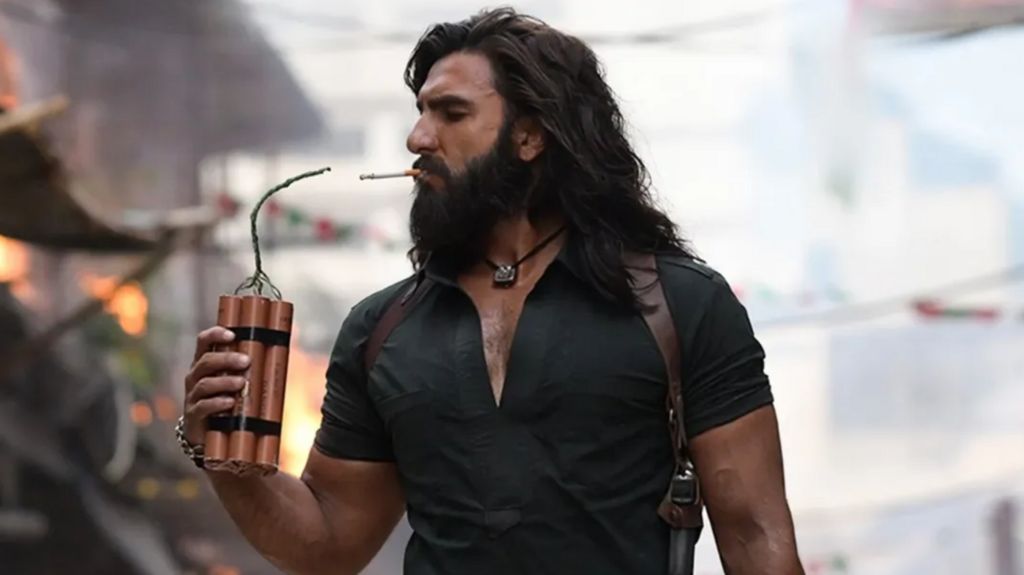
India’s cinematic landscape experienced a dramatic pendulum swing in 2025 as hypermasculine action thrillers reclaimed box office dominance, abruptly ending what many had hoped would become a sustained era of feminist storytelling. The year’s defining hit, Ranveer Singh’s espionage thriller ‘Dhurandhar,’ set against India-Pakistan tensions, became the cultural touchstone for a industry-wide reversion to aggressive, male-driven narratives packed with graphic violence and gangland politics.
This marked a stark departure from 2024’s groundbreaking achievements when women-led productions including Payal Kapadia’s ‘All We Imagine As Light,’ Shuchi Talati’s ‘Girls Will Be Girls,’ and Kiran Rao’s ‘Laapataa Ladies’ earned global acclaim. Film critic Mayank Shekhar characterized 2024 as “a moment of truth” that established Indian women filmmakers as “leading global voices rather than marginal ones.”
Despite these breakthroughs, 2025’s top ten box office performers featured exclusively male-centric narratives except for the Malayalam-language superhero film ‘Lokah.’ The trend extended beyond action genres with romance blockbuster ‘Saiyaara’ featuring a troubled male rockstar ‘rescuing’ his partner from Alzheimer’s, while southern superstar Dhanush’s ‘Tere Ishk Mein’—despite criticism for romanticizing toxic masculinity—became his highest-grossing Hindi release at 1.55 billion rupees ($17.26 million).
Industry analysts note this regression reflects deep structural inequalities. Priyanka Basu, Senior Lecturer in Performing Arts at King’s College London, observes that Hindi cinema has historically marginalized women protagonists, with persistent disparities in casting, pay, and opportunities. The male-centric fixation traces back to Amitabh Bachchan’s 1970s ‘angry young man’ archetype, with even Shah Rukh Khan’s romantic era giving way to action-heavy blockbusters like ‘Pathaan’ and ‘Jawan.’
Alarmingly, streaming platforms once considered safe havens for diverse storytelling have mirrored theatrical trends. An Ormax Media analysis of 338 Hindi streaming shows revealed male-led action/crime thrillers now constitute 43% of content, while female-led stories plummeted from 31% in 2022 to just 12% in 2025.
Yet hope persists through regional cinema and independent filmmakers. Telugu’s ‘The Girlfriend,’ Tamil’s ‘Bad Girl,’ and Malayalam’s ‘Feminichi Fathima’ explore feminist narratives with nuance, while streaming series ‘The Great Shamsuddin Family’ earns praise for capturing modern Muslim women’s complexities. As screenwriter Anu Singh Choudhary notes, “It’s a quieter movement working from the margins—and it isn’t going to disappear.”