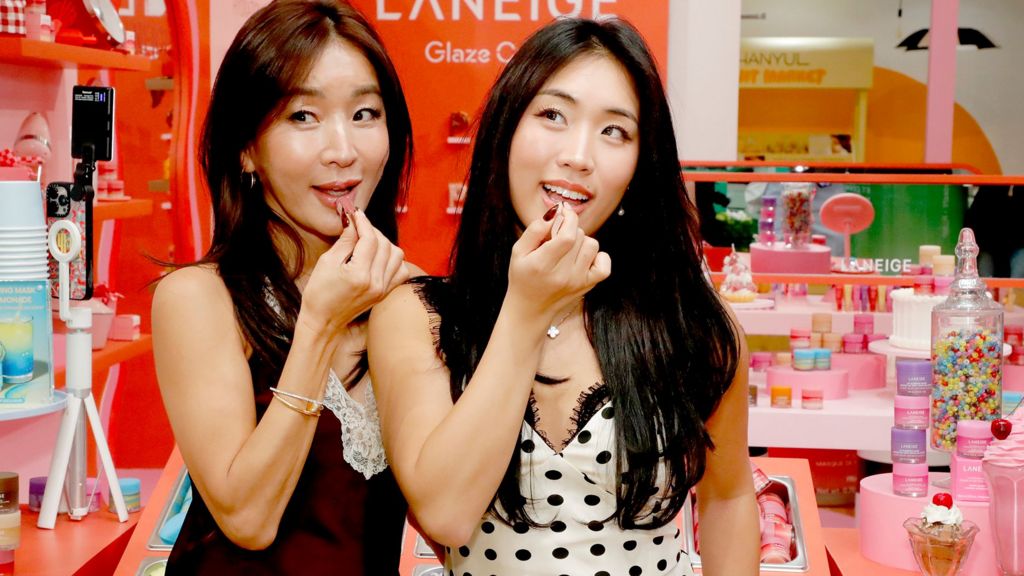
The Korean beauty industry has evolved from a cultural curiosity into a formidable global economic force, revolutionizing skincare standards worldwide. At the core of this transformation lies an unprecedented innovation engine that consistently delivers groundbreaking products—from snail mucin serums to salmon sperm formulations—that capture international attention through viral social media challenges.
South Korea’s cosmetics sector achieved a monumental milestone in 2025, surpassing France to become the world’s second-largest beauty exporter after the United States. The domestic market alone reached a valuation of approximately $13 billion in 2024, with exports surging 15% in early 2025 to a record $5.5 billion, putting the nation on track to exceed $10 billion in annual beauty exports.
The industry’s explosive growth is fueled by a sophisticated ecosystem comprising approximately 30,000 brands supported by specialized Original Development Manufacturers (ODMs). This infrastructure enables remarkably swift product development cycles—as brief as six months compared to the 1-3 years typical for Western brands—while maintaining competitive pricing through extensive automation.
Major conglomerates like Amorepacific (controlling roughly half the domestic market) and LG Household & Health Care dominate the landscape, yet they actively collaborate with agile independent brands to maintain innovation momentum. This symbiotic relationship has proven extraordinarily effective, with Amorepacific reporting $6.2 billion in 2024 sales while acquiring pioneering brands like CosRX to enhance their innovative capabilities.
Social media has been instrumental in K-beauty’s globalization, with TikTok, Instagram, and YouTube creating unprecedented demand for concepts like ‘glass skin’ and multi-step routines. However, industry leaders acknowledge growing concerns about the psychological impact of beauty standards and excessive consumerism, prompting more responsible marketing approaches.
Market dynamics continue to shift as Western multinationals increasingly incorporate K-beauty ingredients into their formulations, while Chinese market dominance wanes in favor of growing North American, European, and Middle Eastern markets. Despite challenges including Trump-era tariffs and intense competition squeezing profit margins, the South Korean government recently designated K-beauty a strategic national asset, ensuring continued institutional support for this extraordinary economic success story.