As 2025 concluded, China marked a definitive chapter in its development trajectory under the strategic guidance of President Xi Jinping. This pivotal year witnessed the successful culmination of the nation’s 14th Five-Year Plan, characterized by substantial advancements across economic, technological, and defense sectors, collectively enhancing China’s comprehensive national power and modernization agenda.
Economic indicators demonstrated remarkable stability amid global turbulence, with GDP growth projected at approximately 5 percent—maintaining China’s position among the world’s fastest-growing major economies. Total economic output reached an estimated 140 trillion yuan ($20 trillion), reflecting what President Xi described as “progress under pressure toward new and higher-quality growth.”
The year presented significant challenges, including escalating global trade tensions initiated by reciprocal tariffs from the United States and concurrent domestic structural adjustments. China’s response, orchestrated through Xi’s leadership, combined measured diplomacy with pragmatic policy measures. President Xi engaged in four critical phone discussions with U.S. counterpart Donald Trump, emphasizing mutual prosperity while Chinese and American negotiation teams achieved substantial progress in stabilizing trade relations.
Innovation emerged as the cornerstone of China’s strategic vision throughout 2025. President Xi’s April visit to a prominent AI incubator in Shanghai followed a dedicated Communist Party leadership session on artificial intelligence, where he emphasized the technology’s crucial role in driving industrial transformation. This focus yielded tangible results: China entered the top ten of the Global Innovation Index while achieving breakthroughs in domestic chip development and competitive large-scale AI models.
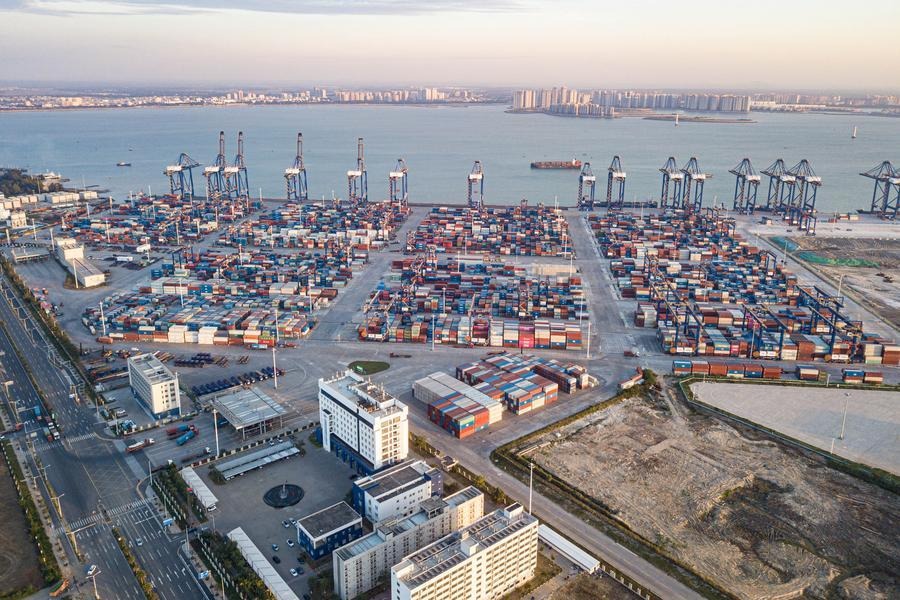
Concurrently, China deepened its reform and opening-up policies, with President Xi’s November inspection of Hainan preceding the province’s transformation into a special customs supervision zone. This landmark initiative facilitated freer movement of goods, expanded zero-tariff coverage, and implemented business-friendly regulations as part of China’s broader commitment to global integration.
Supplementary reforms included legislation promoting private sector growth, revisions to anti-unfair competition laws, shortened negative lists for foreign investment, and liberalized access in telecommunications and healthcare sectors. Visa policy enhancements, including unilateral exemptions for nearly 50 countries and expanded visa-free transit arrangements, further demonstrated China’s outward-oriented development approach.
President Xi’s New Year address encapsulated this transformative period, affirming that “Chinese modernization has advanced through reform and opening up, and will embrace broader horizons through further reform and opening up.”