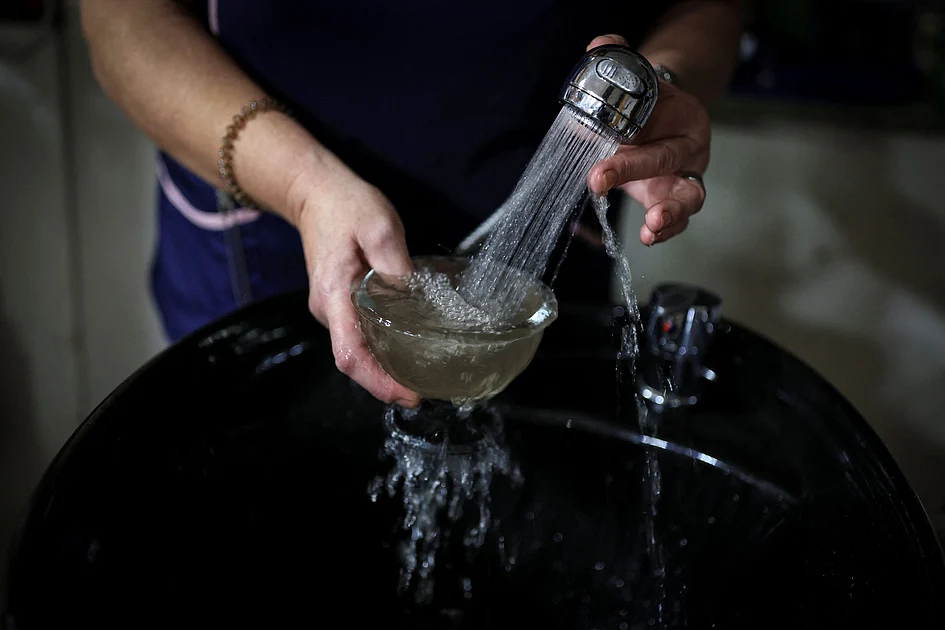
A severe public health emergency has unfolded in Indore, central India, where contaminated drinking water has resulted in nine fatalities and over 200 hospitalizations. The crisis emerged in the Bhagirathpur area following a confirmed pipeline leakage that introduced harmful bacteria into the water supply system.
Madhav Prasad Hasani, Indore’s chief medical officer, verified through water testing that bacterial contamination directly caused the diarrheal outbreak. While the final laboratory analysis remains pending, preliminary findings confirm the presence of dangerous pathogens in the municipal water system.
Local authorities have implemented emergency response measures, including deploying medical teams for comprehensive door-to-door health screenings. These teams have distributed chlorine tablets to residents for water purification and identified 338 individuals exhibiting mild symptoms among 8,571 people screened.
District Administrative Officer Shravan Verma confirmed that repair crews have located and sealed the primary leakage point believed responsible for the contamination. The incident presents a particular paradox as Indore, located in Madhya Pradesh state, has maintained its reputation as India’s cleanest city for eight consecutive years according to national cleanliness rankings.
The tragedy has raised serious questions about infrastructure maintenance and water safety protocols in urban centers, even those recognized for exemplary cleanliness standards. Health officials continue to monitor the situation while providing treatment to affected residents and ensuring water quality restoration throughout the affected neighborhoods.