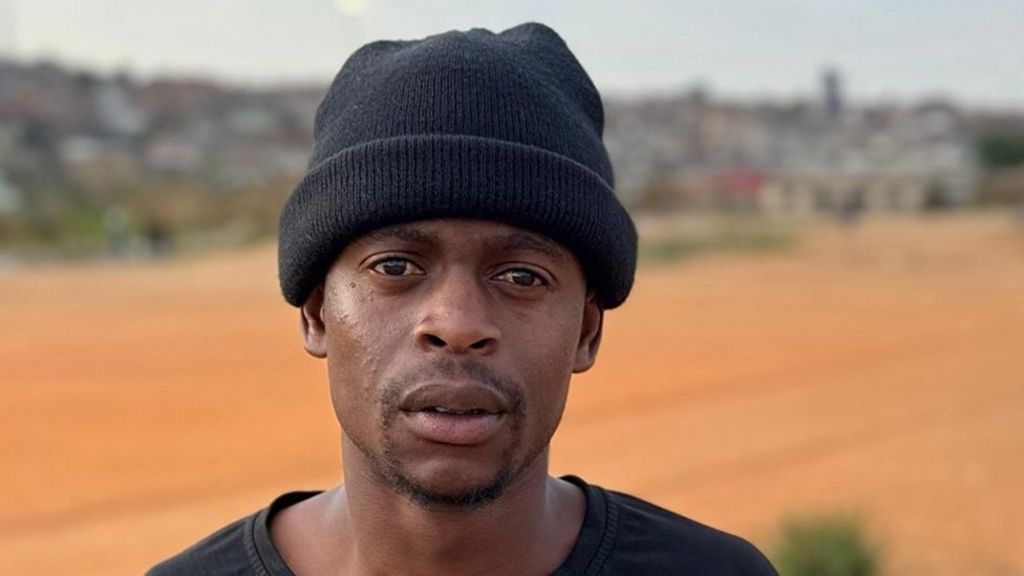
In the shadows of South Africa’s bustling society, thousands face an invisible crisis—statelessness—that strips them of fundamental rights and opportunities. Arnold Ncube, a 25-year-old Johannesburg native, embodies this plight. Despite being born to a South African father, Arnold lacks state-issued identification, relegating him to menial work like car washing in Thembisa township. His dreams of education crumbled when he couldn’t produce a birth certificate for secondary school registration, a consequence of parental abandonment that left him without proof of identity.
Arnold describes his existence as ‘living in the shadows,’ unable to open bank accounts, pursue formal employment, or access public services. His emotional turmoil mirrors that of an estimated 10,000 stateless individuals in South Africa, though unofficial estimates suggest global numbers reach 4.5 million, with some projections as high as 15 million.
Christy Chitengu, a human rights lawyer who once faced statelessness herself, underscores the systemic barriers. Born to Zimbabwean parents in Johannesburg, she held a handwritten birth certificate unrecognized by authorities. At 17, she discovered her stateless status when school officials questioned her enrollment. Despite eligibility for Zimbabwean citizenship, bureaucratic hurdles—including age restrictions on late birth registration and travel constraints—left her stranded without nationality until Lawyers for Human Rights secured her South African citizenship three years ago.
Statelessness stems from administrative gaps, poor record-keeping, and restrictive policies. South Africa’s Department of Home Affairs, responsible for immigration, remains unresponsive to inquiries about solutions. UNHCR expert Jesus Perez Sanchez emphasizes that statelessness isn’t merely legal but a developmental crisis, preventing individuals from contributing fully to society and the economy.
Globally, experts advocate for policy reforms: allowing refugees to register children born on foreign soil and granting mothers equal rights to pass nationality to offspring. For Arnold, hope emerges through legal aid; a lawyer now assists his fight for documentation. He aspires to study computer science, believing citizenship could unlock a future beyond the shadows.