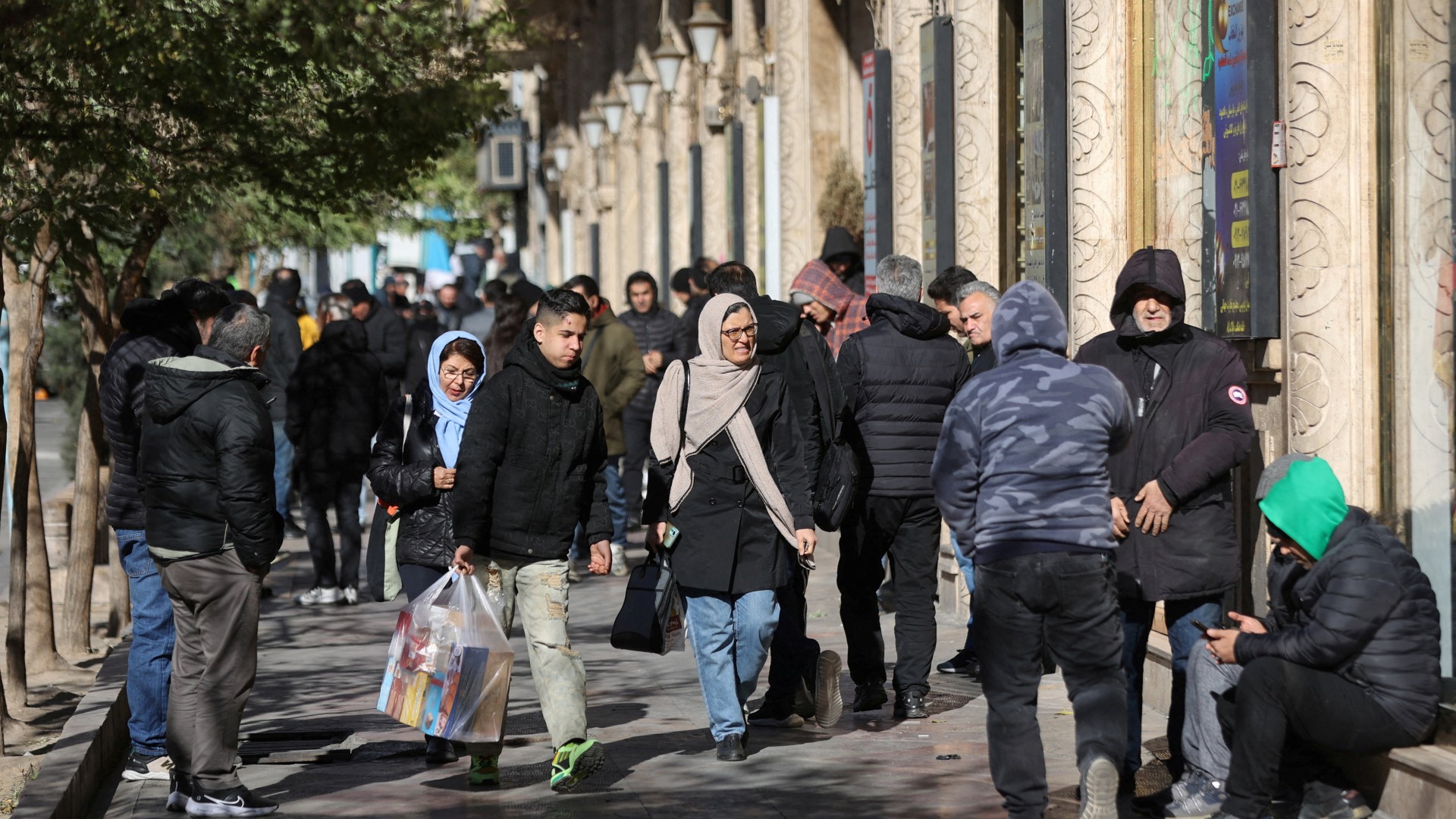
A perfect storm of economic, political, and environmental crises is gripping Iran, placing unprecedented strain on the nation’s stability. The Iranian rial has plummeted to a historic nadir, with the US dollar trading at approximately 1.4 million rials on the open market before a slight recovery to 1.35 million. This dramatic devaluation has triggered merchant strikes at Tehran’s Grand Bazaar and sparked protests in cities nationwide, raising grave concerns about the currency’s future trajectory.
Economists are issuing stark warnings that governmental promises to arrest the currency’s decline are futile without first tackling the nation’s rampant inflation, which has surged beyond 40%. Mohammad Kohandal, an economic analyst, emphasized that controlling inflation is the fundamental prerequisite for exchange rate stability, stating that expecting a stable rate amidst such chronic economic problems is unrealistic. Further compounding the economic distress, former central bank official Seyyed Kamal Seyyed Ali pointed to additional pressures from rising fuel prices and the persistent risk of reduced oil exports due to international sanctions.
Amid the economic turmoil, significant political fractures are emerging within the ruling system. Supporters of President Masoud Pezeshkian report intensifying political pressure from internal rivals, which is weakening his government and deepening divisions. Although ultimate authority rests with Supreme Leader Ali Khamenei and the Islamic Revolutionary Guard Corps (IRGC), rival factions continue to fiercely compete for influence. Ali Soufi, a former minister and government supporter, cautioned that hardline parliamentary pressure may yield short-term gains but will ultimately fuel public dissatisfaction, advocating for the supreme leader to grant the president greater authority. This sentiment was echoed by political activist Mehdi Shirzad, who criticized the hardliners’ partisan demands for diverting the government from the country’s main priorities.
In a contrasting development, the head of the Iranian Space Organisation, Hassan Salarieh, announced an ambitious plan to build and launch 30 satellites within the next two years, following the recent launch of three satellites aboard a Russian rocket. Salarieh stated that Iran has moved beyond acquiring basic space technology and is now focused on establishing a stable program and developing a ‘space economy’ for applications like imaging and disaster tracking. However, this announcement has been met with skepticism from Western sources, who raise concerns about potential links between the space program and missile development.
Simultaneously, Iran is battling severe climate-related disasters. Following an exceptionally dry summer and autumn, the winter season has commenced with devastating floods in the southwest and heavy snowfall in mountainous regions. The Iranian Red Crescent Society reported nine individuals missing after floods swept through Khuzestan and Kohgiluyeh and Boyer Ahmad provinces, with social media videos showing severe flooding in urban areas. In the west, heavy snowfall has disrupted daily life and caused casualties, including a border guard who died from frostbite during a patrol. Earlier blizzard conditions in Kurdistan led to 14 people being reported missing before they were successfully rescued by Red Crescent teams.